










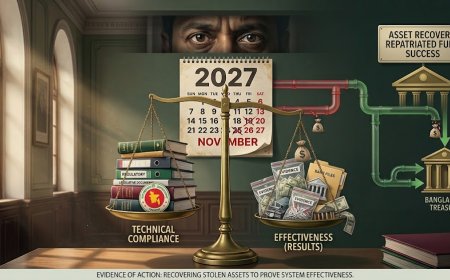



























































The government should call the situation what it is: An economic emergency. That calls for urgency, transparency about the losses in the banking system, and a public discourse around austerity.

The shift from nearly 36% in September to 30.60% in December, then rising to 32.78% by June, serves as a crucial reminder. While a decrease in the reported NPL ratio may seem positive, it is only meaningful if it reflects real improvement in credit quality.

Ahsan Mansur’s reflections extend far beyond central banking. His message is that meaningful reform cannot be achieved through administrative measures alone. It requires political consensus, institutional independence, rigorous accountability, and a commitment to the rule of law.

The government deserves credit for pushing out its electoral promises at the soonest, without being bogged down by the bureaucratic miasma. It deserves credit for providing a long-term aspirational strategy. However, the government must now pivot to confront the crisis of confidence that is imminent.

Lower interest rates can reduce the cost of borrowing. They cannot repair broken credit discipline, restore depleted capital, or rebuild confidence. Monetary policy can support economic recovery only when the banking system is capable of allocating capital on commercial rather than political grounds.

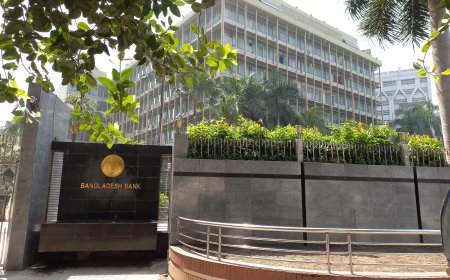
As the prime banking regulator, Bangladesh Bank should reconsider this directive. At the bare minimum, it can remove SME loans from it, just like consumer loans were omitted. Ideally, scrapping the regulation altogether and replacing it with a policy rate cut would be a better way to bring down lending rates.

The Monetary Policy Statement was announced in the last week of June, and was almost immediately hemmed in by the circular announcing the spread cap -- a sequencing that signals incoherence. And that incoherence matters more than the actual policy. Macroeconomic policy cannot be effective in supporting growth or curbing inflation unless it is credible.

Liquidity is a necessary condition for industrial revival, but it is not sufficient.
Injecting fresh credit into such entities risks creating 'zombie firms' -- businesses that survive on subsidized finance but fail to generate sustainable returns.
In structural terms, the policy reflects an ongoing evolution in Bangladesh’s financial regulatory framework -- from rigid quantitative controls toward more dynamic, risk-sensitive calibration.
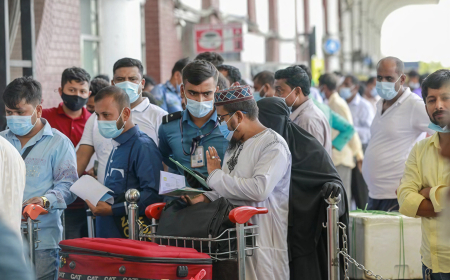
The workers did their job. Now the state needs to do its part. Our remittances are as big as our garments. So why does one get a ministry and the other get a circular?
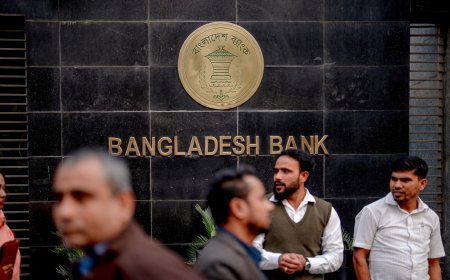
This second article in a three-part series argues that bad loans, political patronage, and cosmetic accounting turned Bangladesh’s banks into a public crisis.
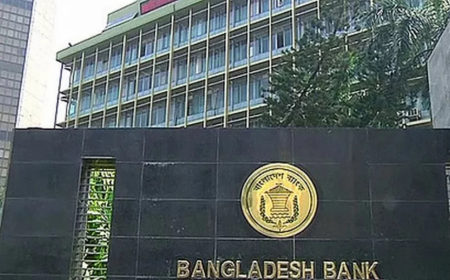
There is no better way for the ruling party to signal that it understands this new reality and that recognizes that it is truly a new day in Bangladesh, and that they too have changed their spots accordingly, than for them to quietly walk back the appointment.

Bangladesh is not on the verge of collapse, but it remains fragile. During periods of economic uncertainty, central banks must stay above politics. When monetary authority appears negotiable, inflation expectations shift, currency stability drops, and fiscal discipline weakens.

This government came to power with a democratic mandate. But it risks squandering it. City administrations must look neutral. International crimes prosecutions must feel independent. And the central bank must signal credibility beyond politics.

When it comes to the central bank governor, optics are everything. If he is perceived to be the government's man, then no one will have the necessary faith in him, and he will fail before he even starts.