

















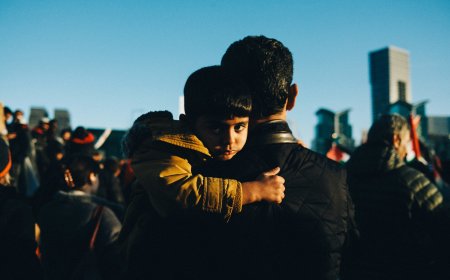







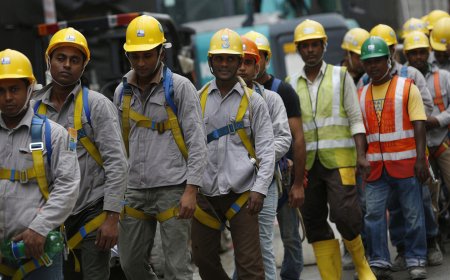





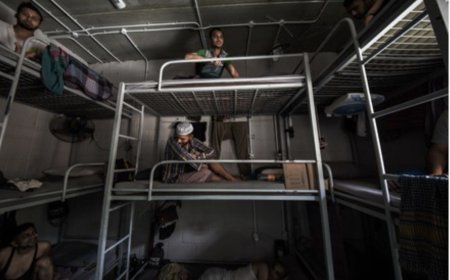

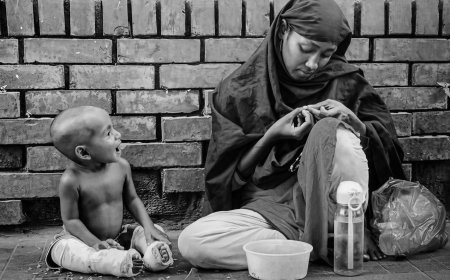












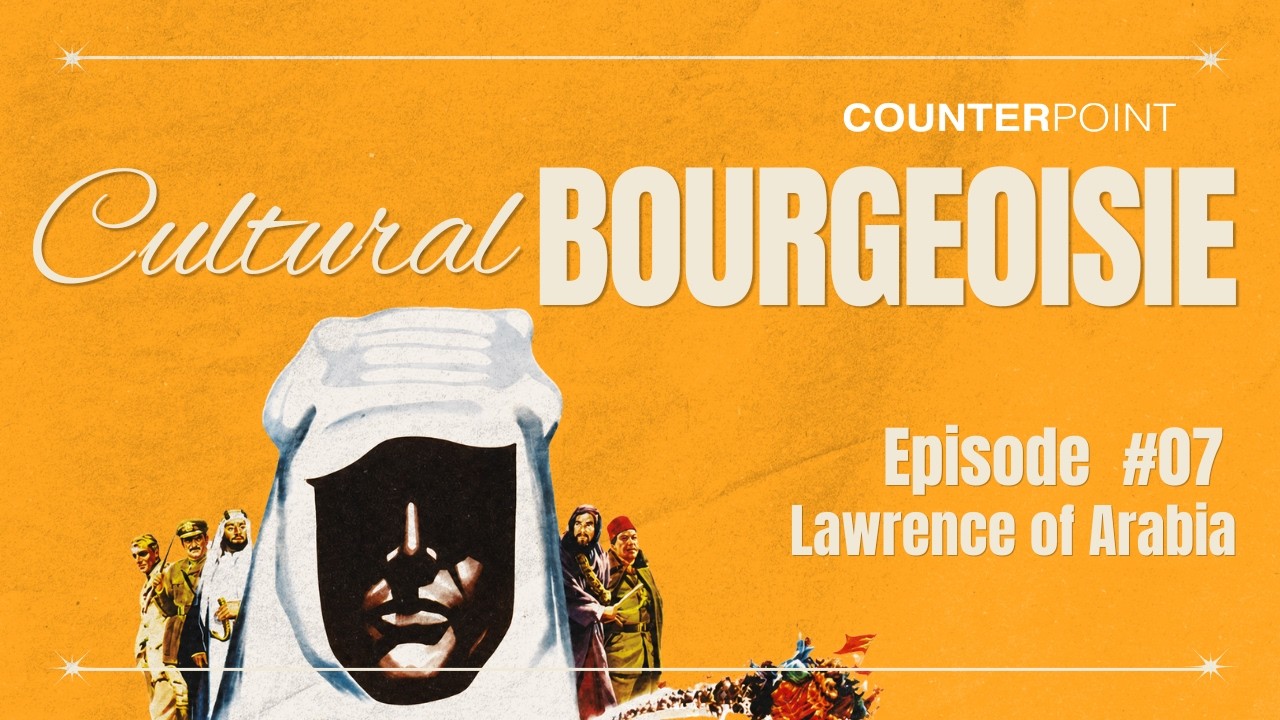




















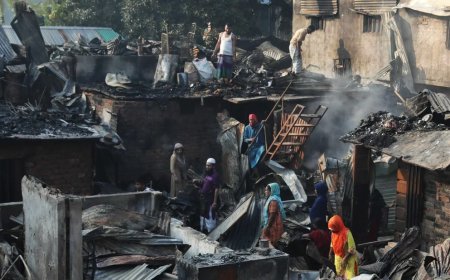
The Korail high-rise promise is not just a construction project. It is a governance challenge shaped by misaligned incentives, fragmented land control, extreme density, contested beneficiary selection, weak tenure enforcement, and post move-in affordability.

The time has come for us to once again turn our attention and divert our resources to a truly global world sport: football.

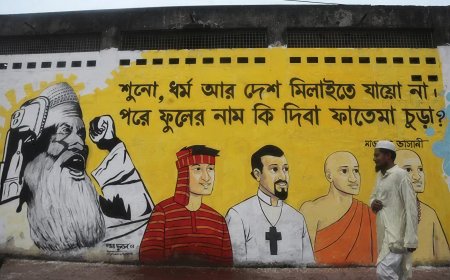
Rejecting religion-based politics does not mean denying religion; rather, it means taking a stand for equality, human rights, and justice. Without women's liberation, no society, no state, and no politics can be truly just.

Our future cannot be entrusted to outrage merchants on YouTube. It must rest with leaders and citizens who understand that justice is built through patience, responsibility, and steady labor, not performed for clicks and applause.
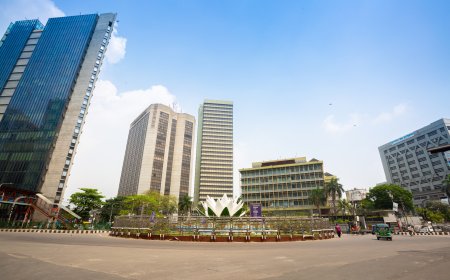
Ashfaq Chowdhury Piplu’s death is a question thrown at our feet by the city we are building. The falling rod asks: What do you value more? The abstract future value of a building, or the concrete, present life of a person walking?

Jamaat has emerged as one of the two main parties in the current dispensation. Its student wing has won student council elections in five universities. Its online activists dominate the cyberspace. It has consistently polled sufficiently well to emerge as the main opposition in the next parliament if not outright win the election.
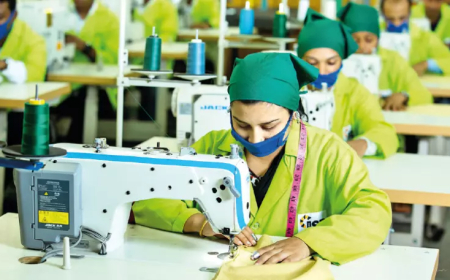
In the hands of Jamaat-e-Islami, a five-hour workday is not welfare. It is soft patriarchy, cloaked in empathy. Bangladesh should not repeat the mistakes of others when better models are already visible.

In Episode 7 of Counterpoint Generations, Zafar Sobhan and Professor Rehman Sobhan discuss Manchester United’s recent win, revisit how their shared love for football began, and reflect on the current state of global and Bangladeshi football.

The notion that Jamaat-e-Islami is on the cusp of ruling Bangladesh tells us less about Bangladesh’s politics and more about the fantasies and anxieties of those observing it from insulated rooms.
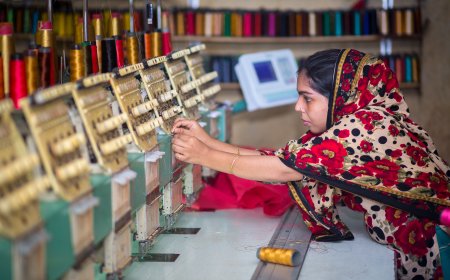
Bangladesh’s working mothers deserve a serious conversation about policies that ease their load and secure their economic future. They deserve thoughtful engagement, not reflexive dismissal. For once, let us debate the policy instead of demonizing the policymaker.

The path forward begins by refusing to accept the silent exclusion as normal. It requires naming the disagreement for what it is: an attack on the pluralistic foundation of the state.
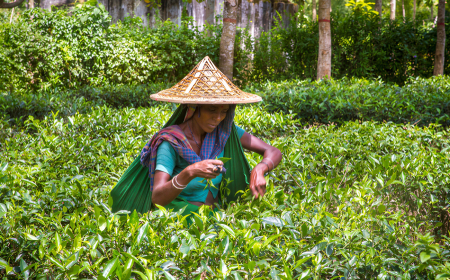
Tea workers exist and spend their entire lives on lands that they do not and will not own, unable to build assets or escape the plantation system.
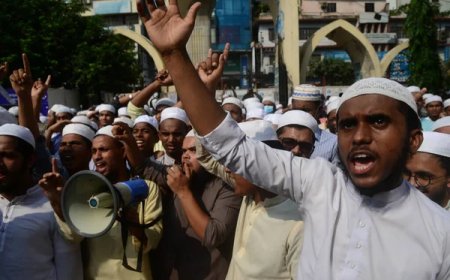
Arithmetic still points to a BNP-led alliance winning, with a Jamaat-led alliance more likely to land as the principal opposition. The caveat is that Bangladesh has not had credible elections since 2008, so any confident prediction about voting behaviour is just that: An informed forecast, not a guarantee.
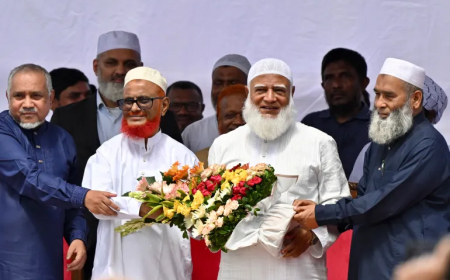
To understand whether an individual is honest, we need to know whether that person is committed to alternation of power, whether he understands the value of inclusivity and dissent, whether he knows that people with different ideas live within the same society, and whether he is willing to let them survive, grow, and challenge him.
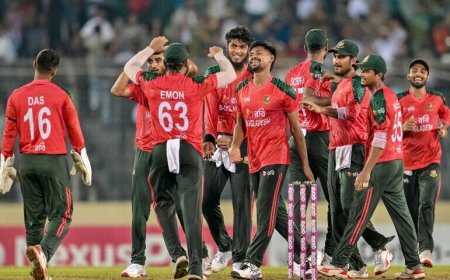
Our cricketers will suffer the most over this difficult period which is why they must receive full sympathy and financial support. If this means that we forfeit participation in the 2026 World Cup (as has now transpired) so be it. There will be another opportunity in 2 years.