


























































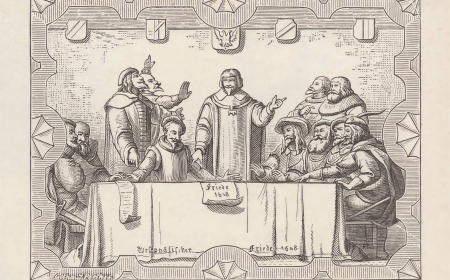
When the world's sole superpower declares itself a pirate, it may be time to dust off a 17th-century peace treaty.
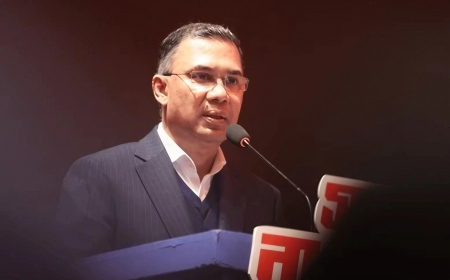
All things considered, Mr. Rahman receives a “meets expectations” grade. The BNP government, as a team, receives a “needs improvement” grade, but not a failing one.
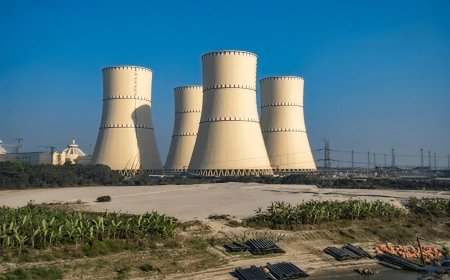
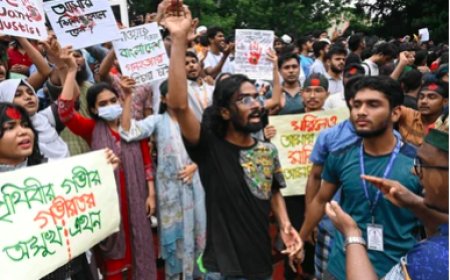
After the 2024 uprising, there was a genuine window to order a forensic audit of Rooppur's finances. That window was not used. The interim government moved on. The contracting architecture remained intact.
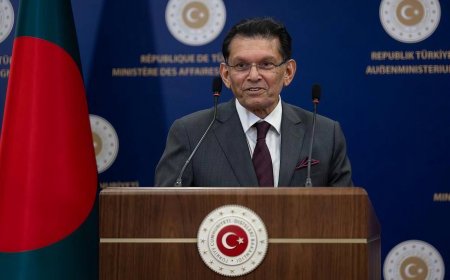
The compact’s energy architecture amplifies rather than mitigates geopolitical shock exposure. A rational energy-security doctrine would diversify suppliers, transit routes, and contract structures; this agreement funnels us toward a single, unbuilt source over which we possess zero strategic control.
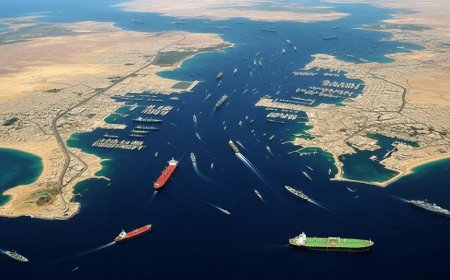
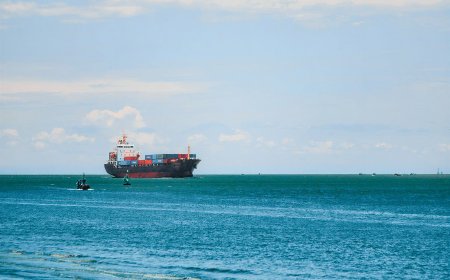
For Bangladesh and other maritime-dependent nations, the lesson is clear. Security can no longer be conceived in predominantly territorial terms. It must be understood as a function of connectivity, resilience, and access -- all of which are fundamentally maritime.
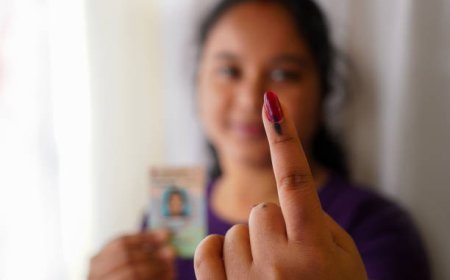
In 150 seats, more than half of West Bengal’s 294, total deletions were greater than victory margins, and BJP won 99. In 2021, it had won just 19 of these.
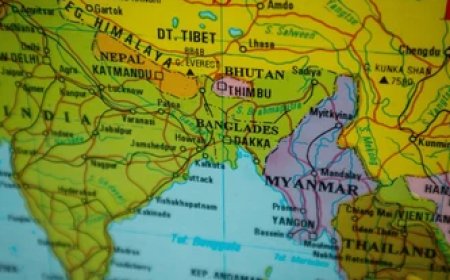
A double-engine BJP government could no longer blame West Bengal’s opposition for delays. If New Delhi and Kolkata are aligned, Bangladesh will expect results on both the Ganges and Teesta. The Teesta dispute, long blocked by Mamata Banerjee, is especially symbolic. With the Trinamool Congress out of power, Dhaka would expect movement.
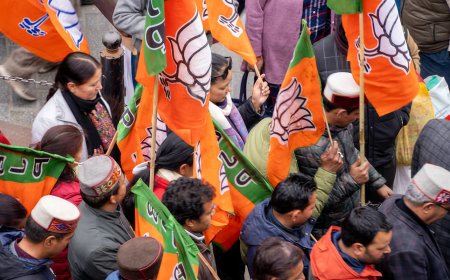
West Bengal's voters may not have articulated this distinction in theoretical terms. But they felt its weight. The images from Dhaka showed them what the far end of one trajectory looks like.

The path ahead is neither simple nor short. Decades of accumulated practices cannot be undone overnight. Yet the absence of immediate transformation should not become a justification for inaction.
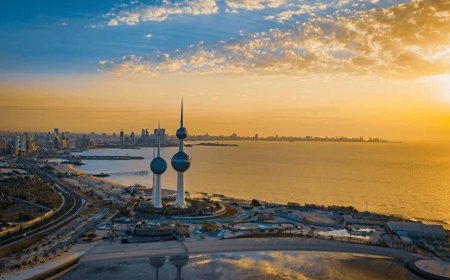
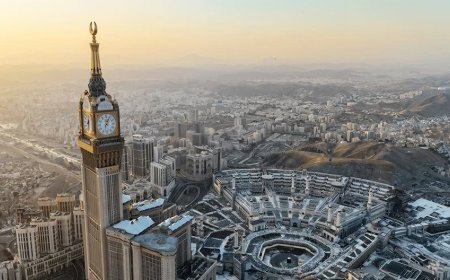
The Arab world is connected, but it is not unified. Its leaders may meet under chandeliers, embrace for cameras, and issue communiqués about common destiny in a common language. But beneath that ceremonial language lie rival economies, competing ports, divergent security partnerships, dynastic anxieties, and national projects.
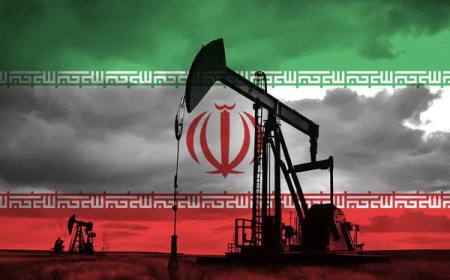
If Iran is honorably invited back into the financial system its 90 million refined and energetic people, backed by huge oil wealth, will be able to make the greatest possible contribution to strengthening not only the whole world economy but specifically to saving the US currency.
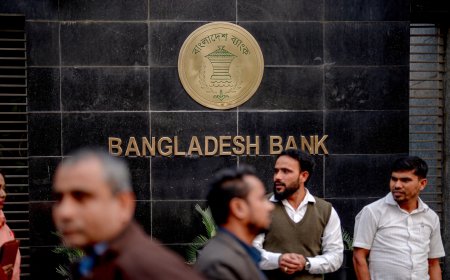
This piece talks about how bad loans, political patronage, and cosmetic accounting turned Bangladesh’s banks into a public crisis.

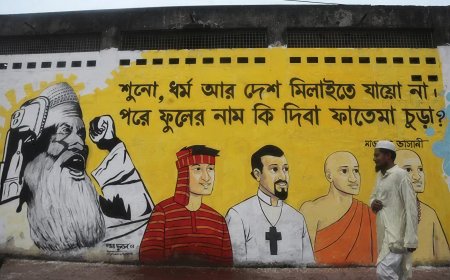
The systems that govern the world are powerful, but they are not immutable. They derive their strength, in part, from acceptance, from the belief that they cannot be altered.

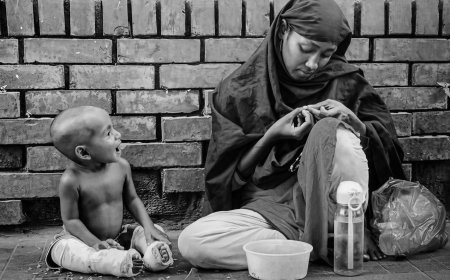
A society in which the “honour of the huzur” matters more than a child’s cry has not yet learned justice. A state in which poor families are afraid to seek justice has not yet learned equal protection.
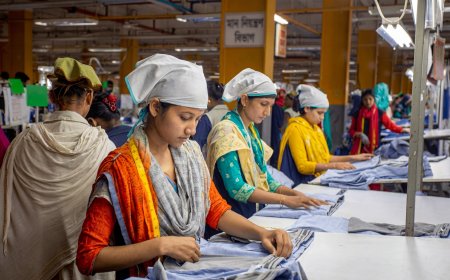
This first article in a three-part series argues that Bangladesh’s celebrated growth story was always more fragile than it looked. Now that growth is slowing and investment is yielding less, the hidden costs of that model are becoming harder to ignore.
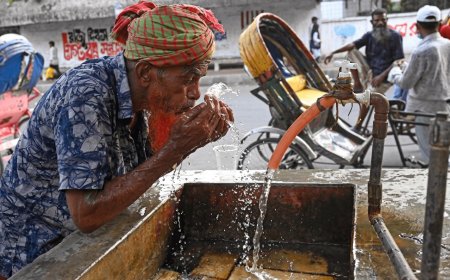
This third article in a three-part series argues how wealth leaves the country, why the gains of growth narrow at the top, and what a fairer settlement would actually require.