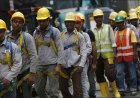

















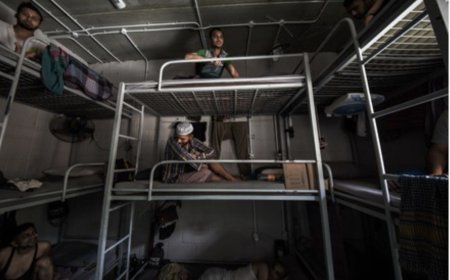











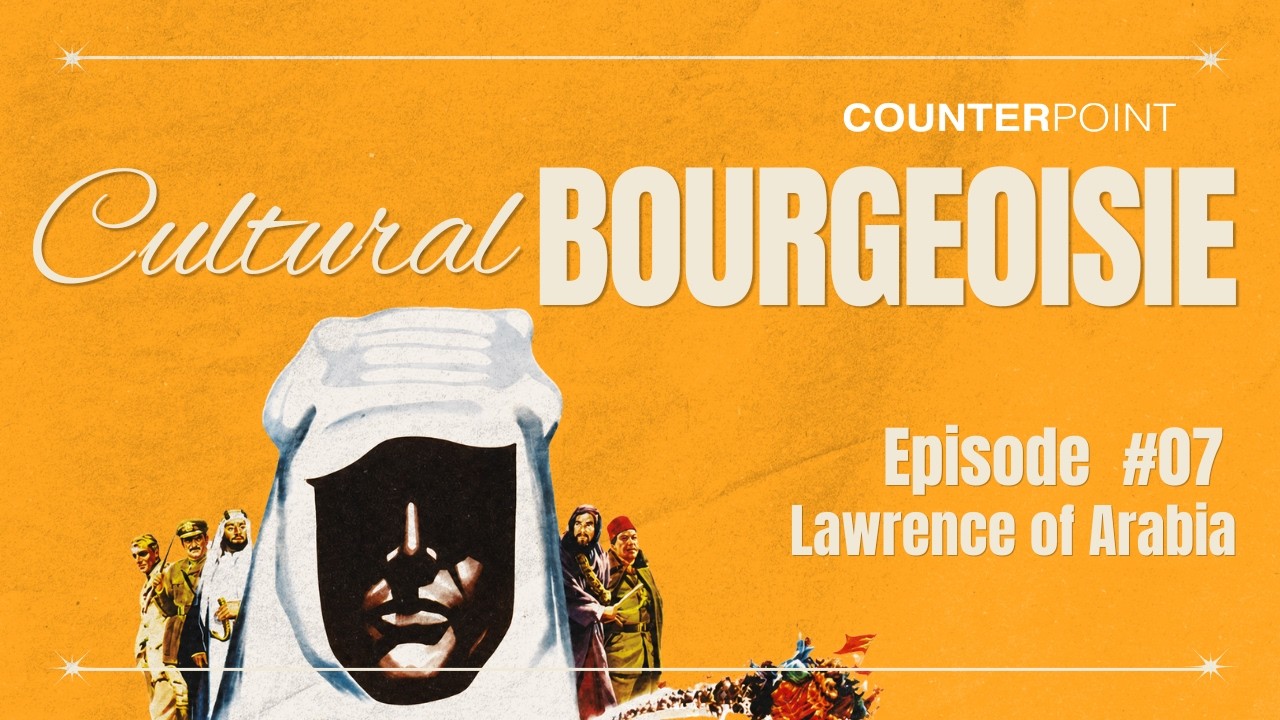






















Somewhere tonight, another Bangladeshi man is finishing a shift he did not choose in a country that does not care to learn his name. What he has left goes to a mother who needs medicine, a sister who needs a wedding, a child who needs school fees. Somewhere tonight, a woman is working in a locked house, her phone in her employer’s hands, counting the days until her contract ends.
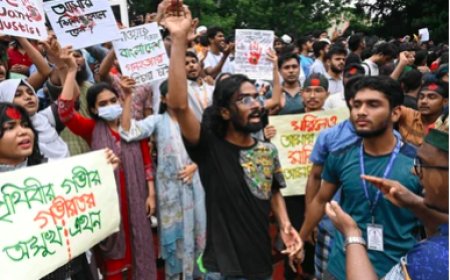
A historic election was held 18 months after the government's resignation with an electorate of approximately 44% under 35. Yet fewer than 10% of candidates were under the age of 35, and just twelve were elected to parliament.

The government should call the situation what it is: An economic emergency. That calls for urgency, transparency about the losses in the banking system, and a public discourse around austerity.

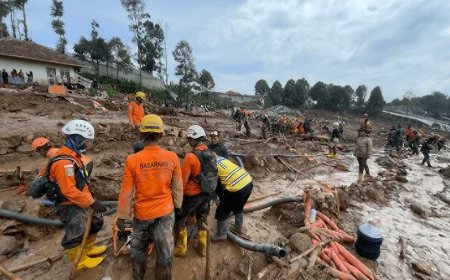
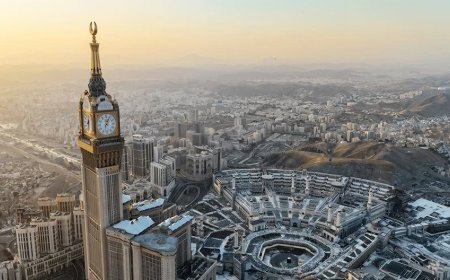
Two Bangladeshis executed in Saudi Arabia raise questions about capital punishment, consular rights, and the unequal politics of citizenship.
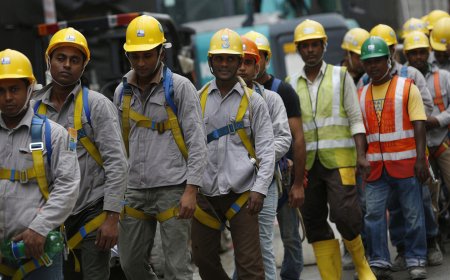
Migrant worker families are paid in taka while banks hold the dollars, and weak or captured institutions let dollars slip out through trade misinvoicing and hundi.
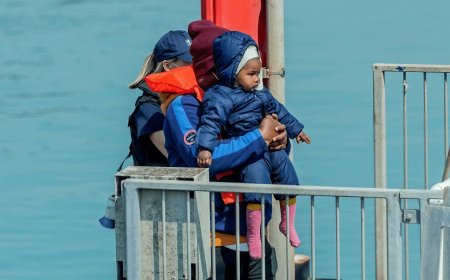
Migration is not a machine for enriching Britain and it is not draining it either. The sums are small, and what decides them is what people are paid.
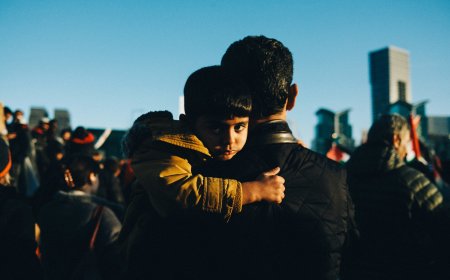
Ordinary people in Britain have plenty to be angry about. Those grievances are real, and I hear them often. The question is who caused them, and whether the evidence supports the claim that migrants are draining the country.
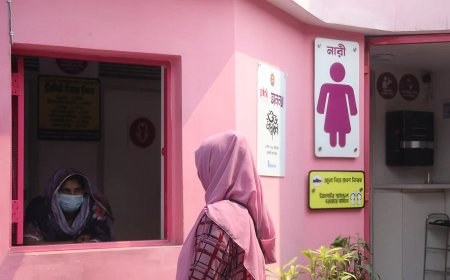
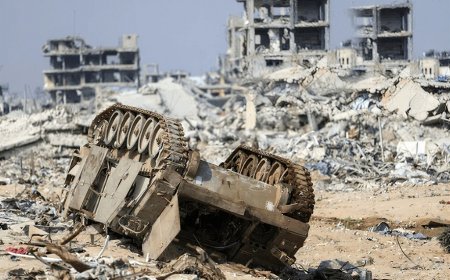
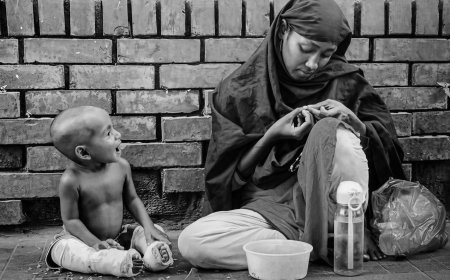
Against the grim backdrop of urban neglect, the need for radical transformation in municipal planning becomes clear, demanding an empathetic framework where human welfare takes precedence over chaotic growth.
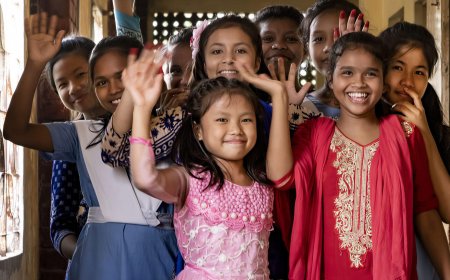
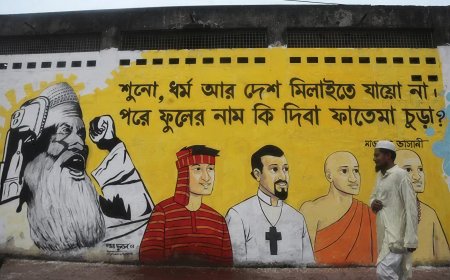
True inclusivity means bridging the gaps that keep the dispossessed silent. Only then can a purportedly democratic society begin to hear those at its margins, as active political subjects, not just data points.
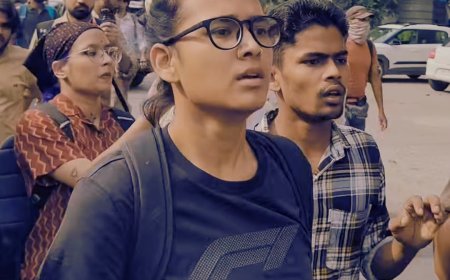
Bora's story reminds us that student politics is not necessarily a rehearsal for mainstream politics. It can be a laboratory for a different kind of politics, one in which the boundary between campus issues and national questions is increasingly blurred.

Bangladesh is now a clear battleground in the clash between traditional politics and hyperpolitics, because the party in power is wedded to the old school politics and its opponents rely on the new politics more and more.

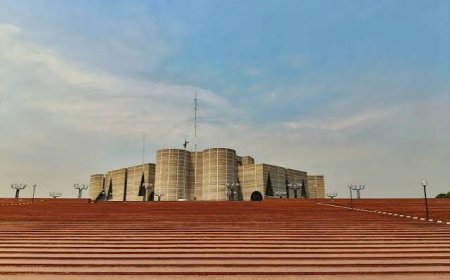
Prof Riaz is right that elections alone cannot sustain democracy. The further point is that institutions cannot remain independent if parties refuse to accept limits on their own power. Bangladesh will break its political cycle when we agree that winning power does not confer ownership of the state.
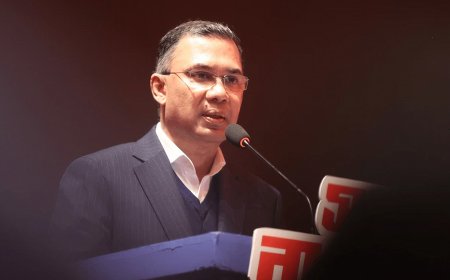
Tarique Rahman has the goodwill, the mandate, and the time to do this differently. The most durable thing he can build in his first term is a caretaker system both the government and the opposition can claim to have shaped, and thus will be owned by both.

Before he was the father of nations, Abraham was a refugee. Every faith that honors him should remember where he came from, and every heir who claims him should remember how many others call him father too.

Acknowledging historical wrongdoing does not mean that present members inherit the criminal guilt of their predecessors. It means something more politically mature: Refusing to make the past innocent simply because the present finds it inconvenient.

What Tarique Rahman’s UNGA address says about Bangladesh’s emerging role in the Global South