


























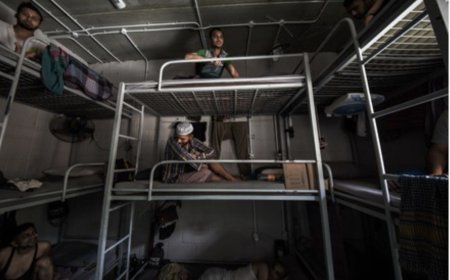

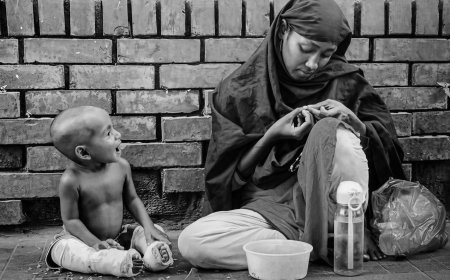



































If a hostile landlord evicts us from our rented housing, or if an institution terminates our employment based on proven discrimination, we will be able look toward our Constitution with hope for reassurance and justice.
56 previous conferences have produced 56 joint records. The 57th record will be written in New Delhi over four days beginning June 8. It will either mark the beginning of a different kind of diplomacy, one in which Bangladesh’s written commitments mean something and India’s violations carry consequences, or it will confirm that the pattern has been accepted as permanent.

Ziaur Rahman deserves to be remembered not as a symbol of one side of a political divide, but as a leader who, in a period of genuine national crisis, demonstrated that Bangladesh was capable of stability, economic progress, diplomatic sophistication, and democratic aspiration.

If South Asia wants its uprisings to mean more than a change of management, it has to stop mistaking collapse for transformation.

When a person dies at a railway crossing, we do not abolish the railways. When a pilgrim is trampled at a religious gathering, we do not demolish the shrine. We install gates. We create safety protocols. We manage risk. In Bagerhat, none of this was attempted.

Yes, economists may envy physicists and political scientists may envy economists. But, here, in a place as fluid and unpredictable as Bangladesh, there are moments when even the most elegant model benefits from being challenged by a journalist's imperfect, half-cooked antithesis.

Gen Z is winning the internet through a combination of genuine grievance, cultural fluency, and the particular humor of people who have been told they are useless and decided to make art out of it.
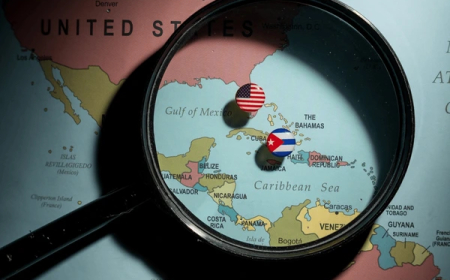
Whether this moment produces genuine Cuban freedom or merely a new form of managed dependency will depend entirely on whether Washington wants a democratic Cuba or simply a compliant one. Those are very different objectives. And so far, the evidence suggests Washington hasn't quite decided which it's actually after.
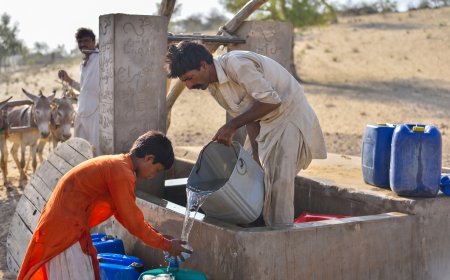
In the brutal, transactional mechanics of international survival, Pakistan does not need to plead for a seat at the diplomatic table; the raw architecture of global crises ensures that the table cannot be built without it.

The legal proceedings unfolding after Ramisa Akhter’s rape, beheading, and murder should be anchored in a fundamental jurisprudential principle and not be designed to appease public emotion: Even in a high-profile case where guilt appears certain, due process is not a concession to the accused, but a guardrail protecting the integrity of the criminal justice system.
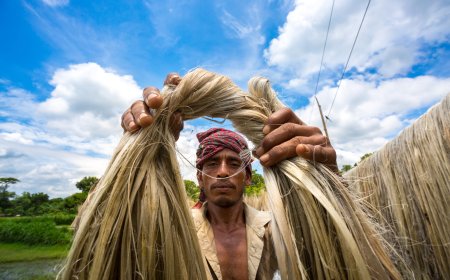
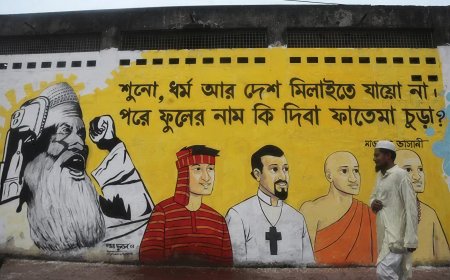
Ultimately, the challenge is not to choose between being Bengali and being Muslim. The real challenge is to recognize that both identities can co-exist within a broader vision of a democratic, pluralistic, and self-confident society.
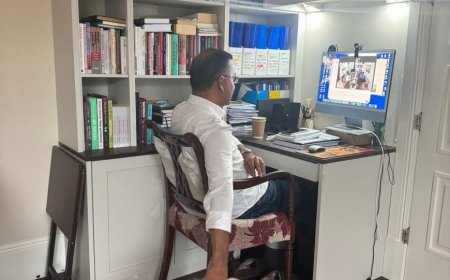
In one simple way, Tarique Rahman stands to be more successful than either of his parents. Neither of them could successfully, peacefully, finish their term and hand over power to the next government. Ziaur Rahman was gunned down by rogue officers. Khaleda Zia faced an implacable foe who made good on her promise of not allowing the former prime minister a moment of peace.

AI is moving faster than any of them. The question is not whether algorithms belong anywhere near the battlefield. The question is who decides where the line is -- and whether anyone is really drawing it at all.

The most important reforms, including tax modernization, banking-sector restructuring, and stronger central bank independence, remain incomplete. The coming budget will therefore be more than a financial document. It will be the first serious indication of whether the government intends to match cautious rhetoric with sustained reform.

When institutions operate without transparency or accountability, they forfeit their legitimacy and become the very source of the wounds they were meant to heal. For the post-uprising state to heal the nation, it must first heal itself, by dismantling these deeply rooted practices of exception and institutionalized violence.
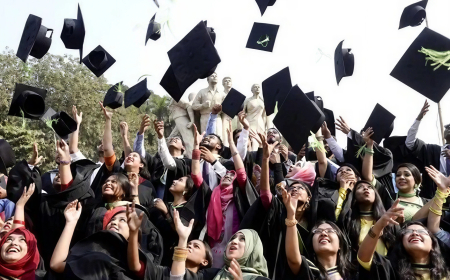
There is a real gap between what universities teach, how students learn, and what employers increasingly need.