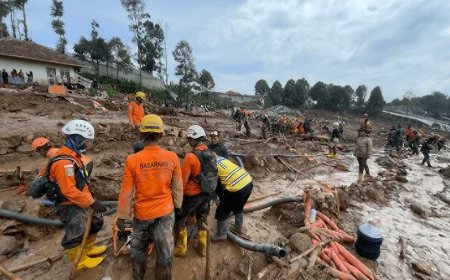




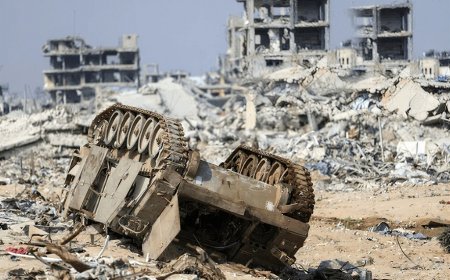





















































The image of Aall remains striking precisely because he was an outlier. He did not speak the language of diplomatic balance. He spoke about calories, mortality and responsibility. He insisted that humanitarian action was not morally neutral when people were dying.
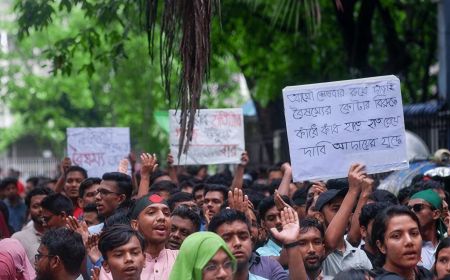
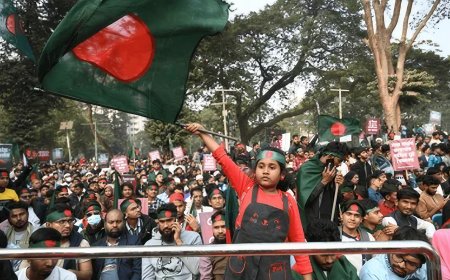
Bangladesh has always educated its citizens twice -- once in its institutions and once in its streets. The classroom teaches what the nation wants to be. The street teaches what the nation truly is.
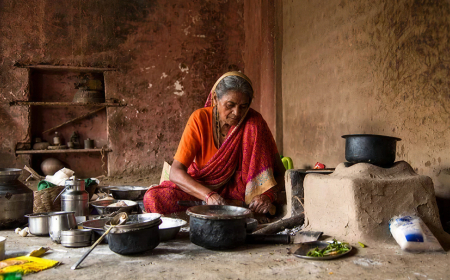
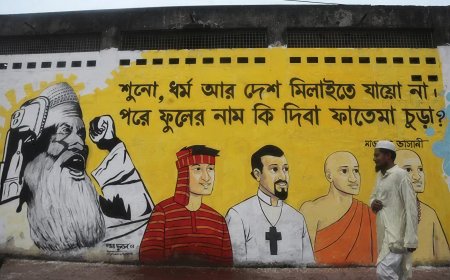
History’s most captivating chapters are often lived in tranquil drawing rooms or in the kitchen of minorities who refuse to blend in completely. When we examine the 1947 Partition, most stories are about violent fractures and Hindus in thousands fleeing to India due to communal riots.
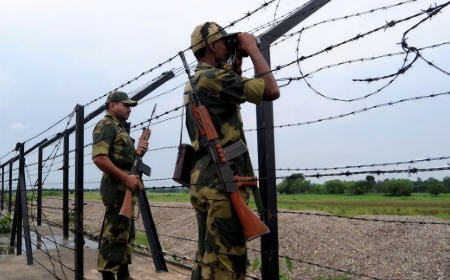
It is prudent for the Indian government to appoint H.E. Dinesh Trivedi, a former politician, as the High Commissioner to Bangladesh at a time when relations between the two countries are experiencing turbulence over the ouster of the last government.
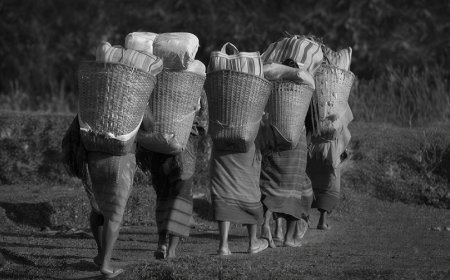
Bangladesh cannot claim to protect cultural diversity while systematically demolishing the indigenous land system that supports that culture.

Collagen, a fibrous protein composed primarily of glycine, proline, and hydroxyproline, is particularly important during the proliferative and remodeling phases. Without sufficient collagen synthesis, wounds may heal slowly, remain fragile, or become susceptible to infection and reopening.

Bangladesh Bank’s circular issued on June 11 represents a timely, strategic, and forward-looking shift toward the development and facilitation of alternative trade finance mechanisms.

Stability is not achieved through currency redesign, but through effective liquidity coordination and risk management within the existing global monetary framework.

The first BNP budget allocates billions for growth, infrastructure, and social protection. But its success will ultimately be judged by whether it creates employment for Bangladesh's growing workforce.

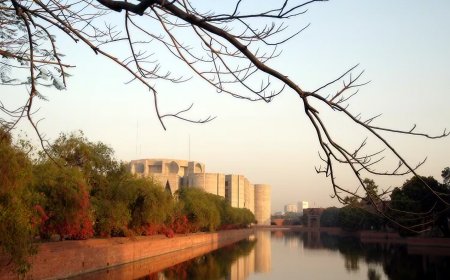
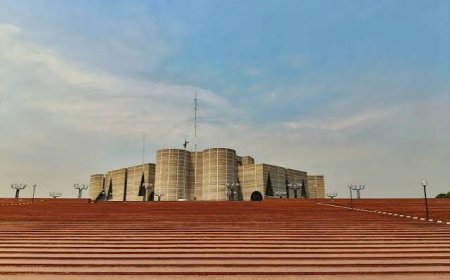
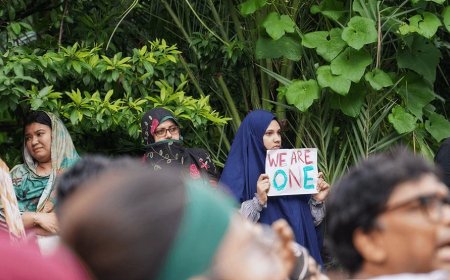
A parliament is not a place to demean women for their Islamic attire; its primary mandate is to protect and uphold the rights of every citizen. Failing to do so violates the democratic principles that the very institution was built to safeguard.
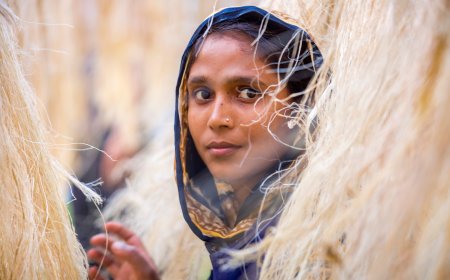
When the language of subalternity becomes a resource through which those closest to power construct their own political identities, we are compelled to ask: Are we truly listening to the voices of the marginalized, or are we witnessing the moral prestige of marginality being transformed into yet another form of political capital?
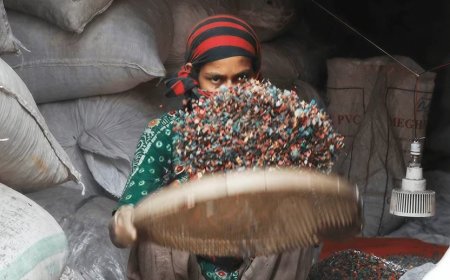
Why Bangladesh's failure is architectural, and what its remedy actually requires

As Nepal’s story unfolds with such urgency, its triumphs and stumbles equally on display, what does Bangladesh’s narrative look like?
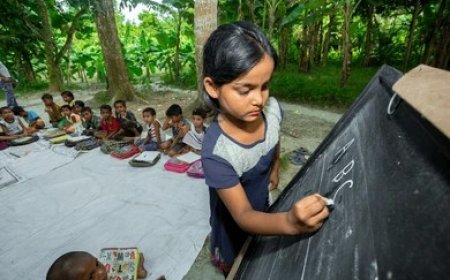
The products of English Medium schools are proficient in neither Bangla nor English and the situation is not too dissimilar in Bangla Medium schools.
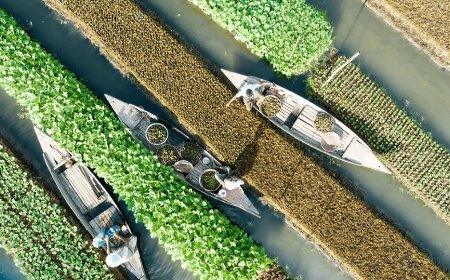
Let us move beyond the annual rhetoric of a single calendar day. Let us embed environmental resilience into the DNA of our national growth, ensuring a safe, prosperous, and liveable homeland for generations to come.

Bangladesh’s future depends not just on dismantling authoritarian systems, but on building institutions resilient enough to safeguard rights, mediate conflict, and hold power, whoever holds it, accountable.