





























































When a rigorous nationwide poll challenges the political narratives favored by commentators and newsrooms, the proper response is scrutiny, not silence.

A formal apology may not lead to concrete changes. Instead, pursuing reparations could help reimagine the project of social justice in India.
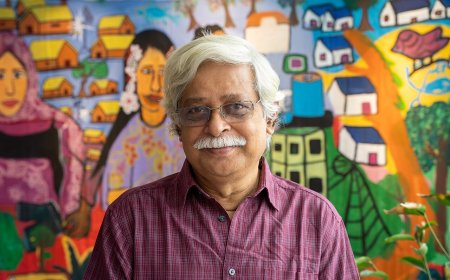
For decades, Bangladesh placed some of its heaviest moral burdens on Muhammed Zafar Iqbal's shoulders. When students needed someone, we called him. When science needed a champion, we called him. When education failed, we expected him to protest.
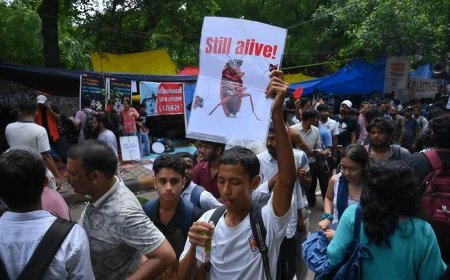
A more instructive comparison is India’s own protest wave of the mid-1970s -- and the political reckoning it produced for former Prime Minister Indira Gandhi.
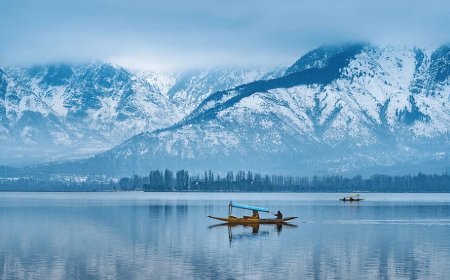
India says Kashmir is an integral part of its territory. Pakistan says it is an unfinished international dispute. Global powers treat it as a question of regional security. But Kashmiris themselves still do not possess an equal role in determining their political future.
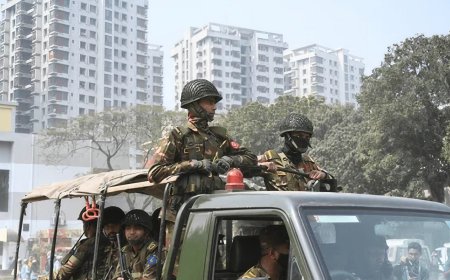
When an institution that possesses the legitimate instruments of force also begins accumulating authority over the definition of morality, citizenship and national identity, the balance can become fragile.
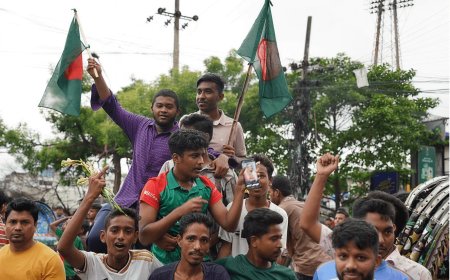
Deep political involvement is necessary to set policies, which bureaucracies can then execute, not vice versa, the whole nation, regardless of political leanings, prefers its leader to be bold yet pragmatic

Behind every woman labelled "too harsh" may be years of swallowed humiliation. Years of carefully choosing politeness over dignity. Years of emotional labour performed for everyone except herself.

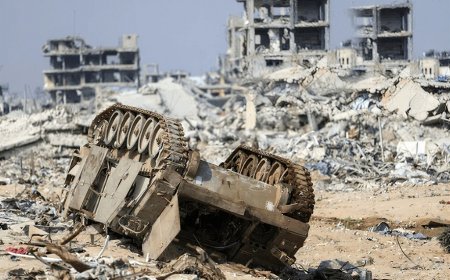
The decolonization of our newsfeeds is not an abstract intellectual exercise; it is a matter of life and death. When a mother in Tehran, a father in Gaza, or a child in the Congo is bombed into oblivion, we owe it to them to bypass the filters of London and New York.

The Monetary Policy Statement was announced in the last week of June, and was almost immediately hemmed in by the circular announcing the spread cap -- a sequencing that signals incoherence. And that incoherence matters more than the actual policy. Macroeconomic policy cannot be effective in supporting growth or curbing inflation unless it is credible.
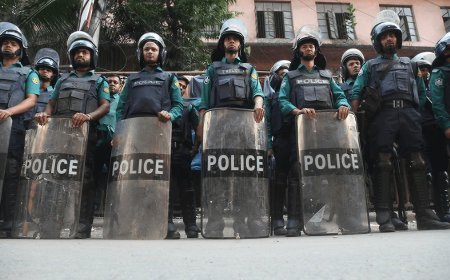
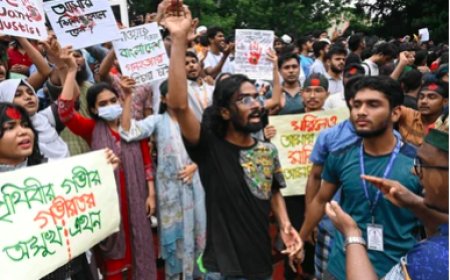
Abu Sayed's killing -- and the statement later made by the police officer convicted of his murder -- did not simply expose failures in the conduct of individual officers. Together, they illuminated deeper structural weaknesses within policing and compelled the nation to confront fundamental questions about accountability, professionalism, and the relationship between the police and the public.
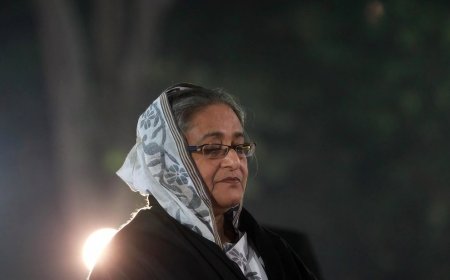
Hasina has nudged New Delhi to define its position on her extradition and forced the BNP to confront, sooner than it may wish, whether it truly wants her back and, if so, on what terms.
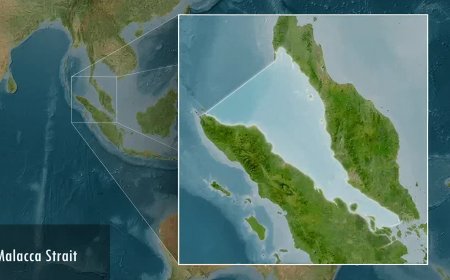
There is the India-shaped hole in the map. By excluding New Delhi, Beijing has made the corridor more diplomatically tractable, but it has also converted an economic connectivity project into a more explicit piece of the China-India strategic contest in the Bay of Bengal.
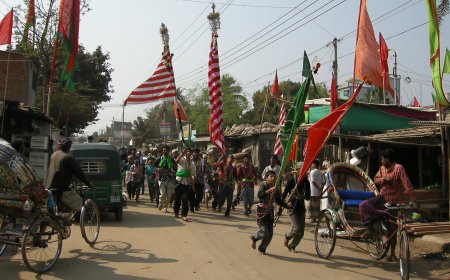
For those unfamiliar with the cultural tapestry of Dhaka, your obligation as a paiki is to run as a spiritual messenger from one local shrine to another during the 7th to 10th day of Moharram -- entirely barefoot, enduring the burning asphalt and the direct heat.

Taxation is not simply about extracting more money from society. It is about defining the relationship between the state and its citizens. Countries do not become middle-income merely because they collect more taxes. They succeed when taxation strengthens the social contract rather than weakens it.

Historians genuinely disagree about how much of the Bengal famine's death toll is attributable to policy versus war-driven scarcity that no government could have fully solved, just as historians and communities genuinely disagree about how the Nakba should be contextualized alongside the displacement of Jews from Arab lands.