









































































Solving the Wrong Problem
The state has a responsibility to protect victims and punish offenders. It has an equally important responsibility to protect people from arbitrary or prolonged detention.

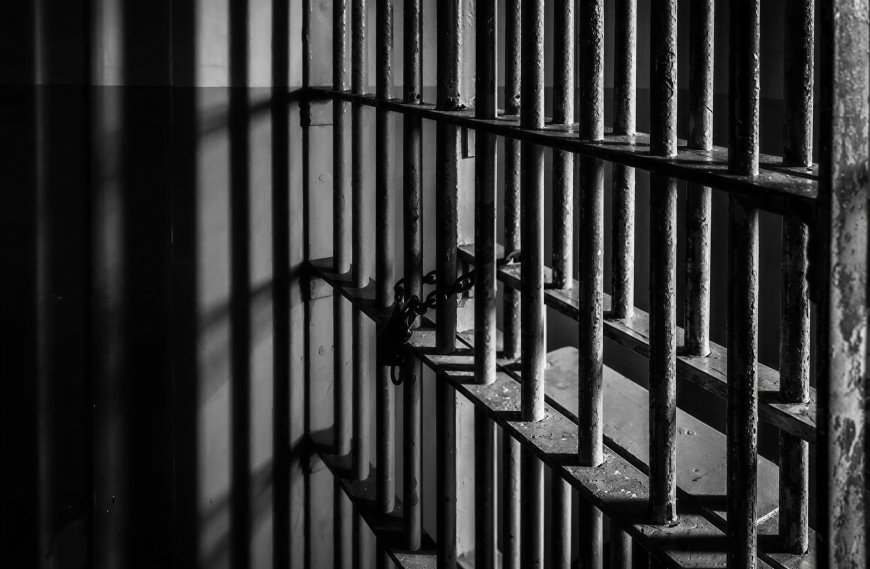
Once again, the government is solving the wrong problem.
The government’s apparent focus on reducing the number of people behind bars risks overlooking a much more serious problem: Thousands of people are in jail without having been convicted of any crime.
A person who has been convicted and sentenced is a prisoner. A person who has been arrested and is awaiting trial is not. Yet in Bangladesh, these categories can easily become blurred in public discussion, as though everyone behind bars has already been found guilty.
The problem, therefore, is not simply that thousands of criminals are swanning around unapprehended. It is that thousands of people are spending months, sometimes years, behind bars while their cases remain unresolved.
That should concern anyone who believes in due process.
Pre-trial detention is sometimes necessary. There are cases in which an accused person may pose a genuine risk of fleeing, intimidating witnesses, or obstructing an investigation.
But detention before conviction is supposed to be a legal measure, not a substitute for punishment.
When bail is difficult to obtain, investigations drag on and hearings are repeatedly postponed, an accused person can effectively serve a sentence before a court has established guilt.
It is the slow erosion of the presumption of innocence.
The problem becomes even more troubling when charges themselves appear tendentious, politically motivated, or otherwise difficult to justify.
A criminal case is a serious instrument of the state. There is a human cost to getting this wrong.
A person behind bars may lose a job, a business, an education, or the ability to support a family. Children may lose a parent’s income. Families may spend years living with the stigma of an accusation that has never resulted in a conviction.
Filing a case, therefore, cannot be treated as equivalent to proving one.
Nor should the number of cases filed become a convenient measure of how effectively the state is pursuing crime.
A functioning justice system should not be judged by how many people it can put behind bars. It should be judged by how fairly and efficiently it can determine who actually belongs there.
This is where the conversation about law and order often goes astray. Public anger quite reasonably demands action against criminals, but that demand must not become an excuse for treating every accused person as guilty.
The state has a responsibility to protect victims and punish offenders. It has an equally important responsibility to protect people from arbitrary or prolonged detention.
That means cases must be investigated properly and brought to trial without unnecessary delay. Courts must have the capacity to hear cases efficiently.
Bail should not become an impossible privilege for those without money or influence. And where charges cannot be substantiated, the system must be capable of letting people go.
None of this means that genuine criminals should be allowed to escape accountability.
It means accountability must be based on evidence and due process, not simply because a case has been filed.
The government should therefore be careful about which problem it is trying to solve.
The real test of a justice system lies in its ability to distinguish the guilty from the accused, and how quickly it can ensure that those who have committed no crime do not lose their freedom in the process.
If we want fewer criminals on the streets, we need a justice system capable of finding them.
If we want fewer innocent people in prison, we need the same system to know when to let someone go.