






























































A Decade Later, the Rohingya Crisis Is Still Unresolved
The Rohingya do not need another anniversary of international concern. They need a credible pathway to a future.

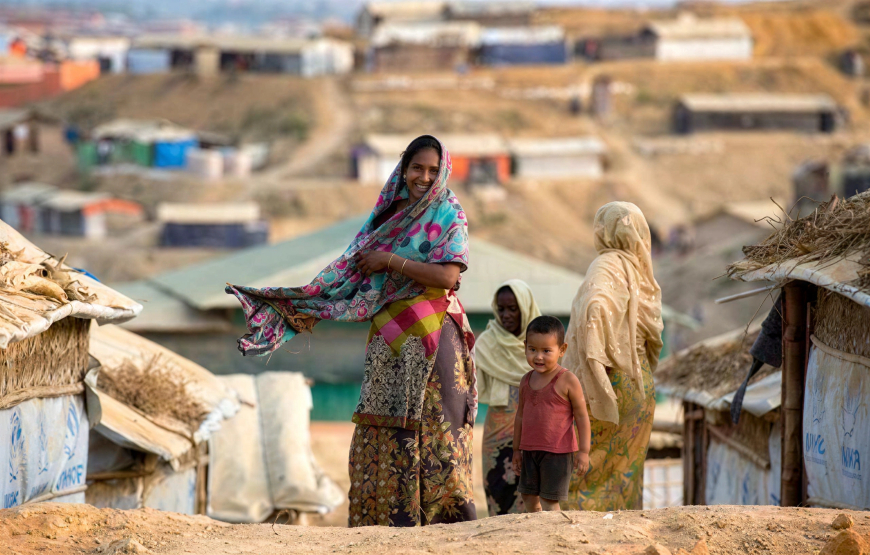
The Rohingya crisis has entered a stage that should concern the world for a reason that goes beyond the numbers. Nearly a decade after the mass displacement of Rohingya from Myanmar, the central question is no longer simply when they will return.
The more uncomfortable question is whether the international community has allowed temporary refuge to become a permanent substitute for a political solution.
A recent joint statement by the European Union and 15 countries has acknowledged what Bangladesh has repeatedly argued: Myanmar still does not have the conditions necessary for the voluntary, safe, dignified, and sustainable repatriation of the Rohingya.
The statement also recognizes the escalating conflict in Rakhine, attacks on civilian infrastructure, restrictions on humanitarian assistance and the continuing displacement of Rohingya within and beyond Myanmar. Such recognition is important. But after almost 10 years, recognition without a decisive political strategy risks becoming another ritual of international diplomacy.
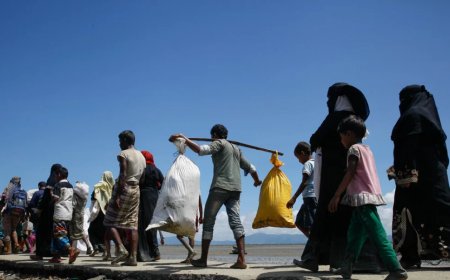
For Bangladesh, this is not an abstract humanitarian crisis. Nearly 1.2 million Rohingya are living in the country, while local communities in the host areas continue to carry significant economic and social pressures.
The generosity that Bangladesh showed at the height of the 2017 crisis has lasted far longer than anyone could reasonably have expected. Yet international attention has gradually become cyclical.
The world becomes alarmed when violence erupts, pledges support when refugees arrive, issues statements on anniversaries and then moves on to the next global crisis.
The Rohingya, however, cannot move on. This is perhaps the greatest danger facing the crisis today. Prolonged displacement can quietly transform an emergency into a permanent condition.
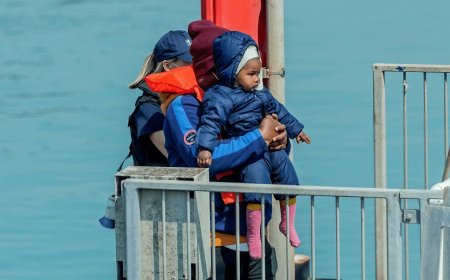
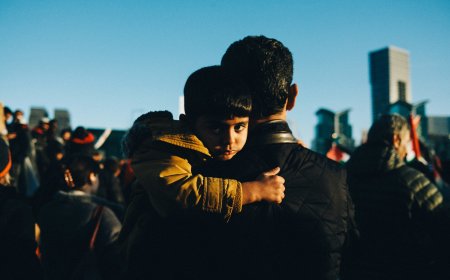
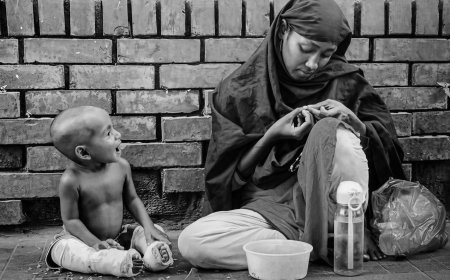
Children grow up in camps without meaningful prospects. Young people enter adulthood with limited access to education, skills and employment. Families become dependent on humanitarian assistance while donor fatigue gradually threatens the resources sustaining them.
A generation that should be building its future is instead growing up in a place that was never supposed to become its permanent home.
That is why the international community must stop treating repatriation as merely a logistical exercise.
Moving people across a border does not constitute a solution. If Rohingya are sent back to a Myanmar where they remain stateless, insecure, economically excluded and vulnerable to renewed violence, repatriation would simply relocate the crisis rather than resolve it.
The fundamental issue is therefore not whether Myanmar can physically receive Rohingya. It is whether Myanmar can create a political and social environment in which Rohingya can live with dignity and security. That requires addressing the causes that produced displacement in the first place.
Citizenship rights, freedom of movement, access to education and healthcare, property rights, livelihoods and protection from violence are not generous additions to a repatriation package. They are basic conditions for meaningful return.
Recent discussions about the possible repatriation of a limited number of Rohingya from Bangladesh and Malaysia deserve attention, but they should also be approached with considerable caution. Numbers can create the appearance of progress.
A plan to return thousands may look encouraging on paper, but the real test lies in what happens after they cross the border. Who guarantees their safety? Where will they live? Will they have access to their land? Can their children attend school? Can they work? What legal status will they possess? Who will monitor the process?
Without credible answers to these questions, repatriation risks becoming a statistical achievement rather than a human solution.
There is another uncomfortable reality that the international community must confront.
Myanmar's internal conflict has made the Rohingya crisis even more complicated. Rakhine is not simply a territory waiting for refugees to return. It is itself caught in a broader conflict involving the Myanmar military and armed groups, while civilians continue to suffer.
Any sustainable repatriation strategy therefore requires an understanding of the political and security dynamics inside Rakhine, rather than treating the issue as a bilateral problem between Bangladesh and Myanmar.
Bangladesh has legitimate reasons to seek repatriation. It cannot be expected to host such a large refugee population indefinitely. But Bangladesh also has an interest in ensuring that any return is sustainable.
A rushed repatriation that collapses after a few months would create a new humanitarian disaster and could potentially trigger another wave of displacement across the border.
This is where international diplomacy needs to become more ambitious. Statements of solidarity are necessary, but they are not sufficient. The countries that have repeatedly expressed concern about the Rohingya crisis need to translate that concern into sustained diplomatic, economic and political pressure on Myanmar.
Justice and accountability must remain part of that effort. At the same time, international actors need to support practical mechanisms to prepare Rohingya for a future return through education, vocational training, documentation, and community leadership.
The recent joint statement is particularly significant in recognising that humanitarian assistance alone cannot solve the crisis. That is an important admission. Food, shelter and medicine are essential, but they cannot substitute for citizenship, security, education or political rights. Humanitarian aid can keep people alive. It cannot, by itself, give them a future.
The role of the Rohingya themselves must also become much more central. Too often, governments, international agencies and diplomatic institutions make decisions about their future while the people at the centre of the crisis remain on the margins of decision-making.
A sustainable solution cannot be designed entirely from conference rooms in Dhaka, Geneva, New York or elsewhere. Rohingya voices must influence decisions concerning repatriation, education, livelihoods, security and political rights.
Bangladesh, meanwhile, needs stronger international support not merely to maintain the existing humanitarian response but to reduce the long-term burden on both refugees and host communities. Greater emphasis on self-reliance, skills development and education is necessary.
Such policies should not be interpreted as preparation for permanent settlement. Rather, they are investments in human dignity while the political conditions for return remain absent.
The most dangerous assumption would be that time itself will solve the crisis. It will not. Time can deepen trauma, weaken international attention and create new generations with no meaningful connection to the places from which their families were driven.
It can also make repatriation increasingly difficult because the longer people remain displaced, the more complicated their social, economic and psychological relationship with their homeland becomes.
The ninth anniversary, therefore, should not merely remind the world of what happened in 2017. It should force a reckoning with what has happened since then. Nearly 10 years is too long for a temporary solution.
It is too long for repeated diplomatic promises. And it is certainly too long for an entire population to remain suspended between a homeland that does not yet guarantee their rights and a host country that cannot realistically become their permanent home.
The Rohingya do not need another anniversary of international concern. They need a credible pathway to a future. That future may ultimately involve return to Myanmar, but return must mean more than crossing a border. It must mean returning to a life in which they are recognised, protected and able to rebuild their homes and communities.
Until Myanmar can provide that future, the international community must resist the temptation to declare progress simply because a few thousand people have been moved. The real measure of success will not be how many Rohingya return. It will be whether those who return can finally stay.
H. M. Nazmul Alam is an Academic, Journalist, and Political Analyst based in Dhaka, Bangladesh. Currently, he teaches at IUBAT. He can be reached at [email protected]