






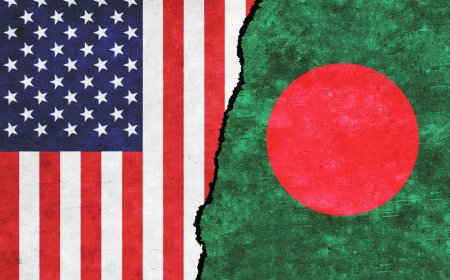
















































A Democratic Congress will not rewrite American foreign policy overnight. But it may reshape the trade deal Bangladesh signed in February, change how Washington approaches the US-China-India rivalry, and raise the cost of Trump's wars. Each of these reaches Dhaka directly.

The obstacles are real. Coordination is hard, and many past South-South initiatives promised much and delivered little. A large member could dominate, swapping dependence on the North for dependence on a Southern giant.
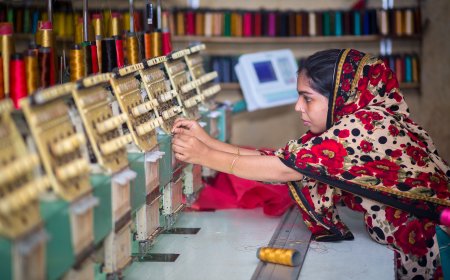
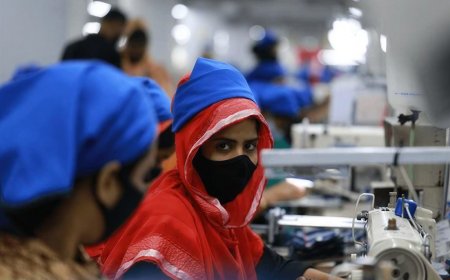
Bangladesh has already felt this reality directly -- fuel prices have risen sharply, garment factories have faced shortages and canceled orders, and foreign-exchange pressure has intensified, all within the same few weeks.