




































How Western Fast Fashion Subsidizes Itself With Hunger
When Western consumers buy a cheap shirt, they are not just buying fabric. They are buying into a global architecture of exploitation. They are buying a product subsidized by hunger.
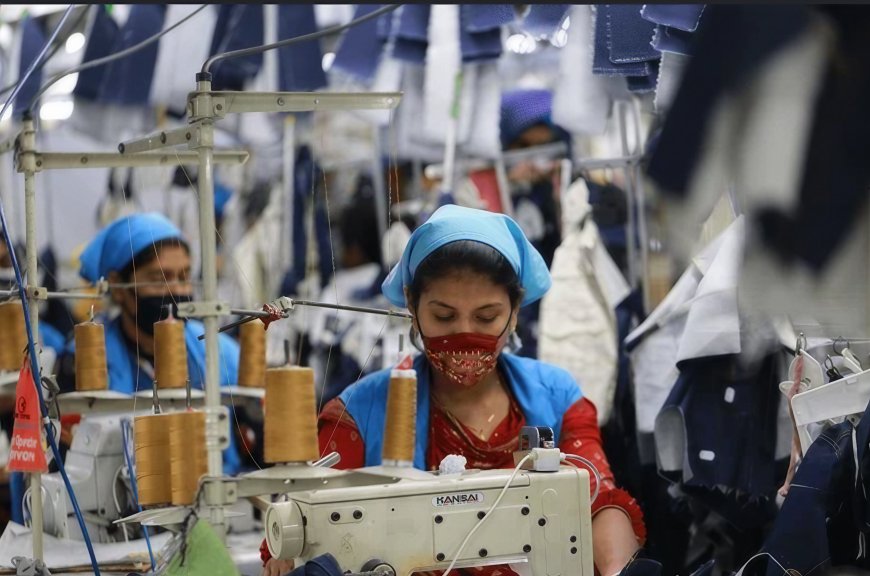
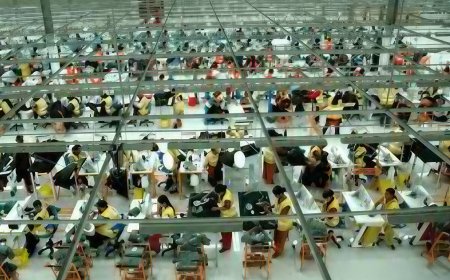
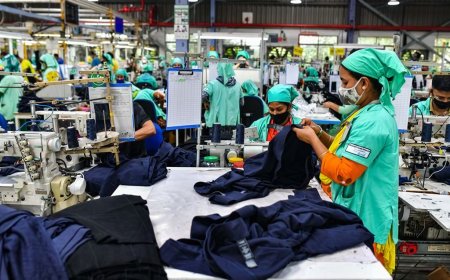
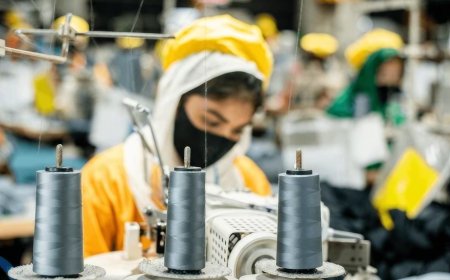
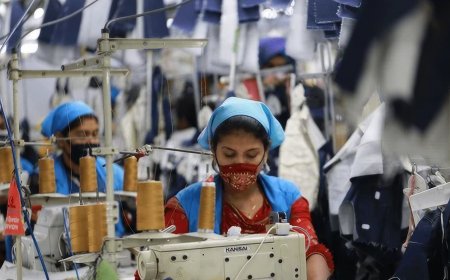
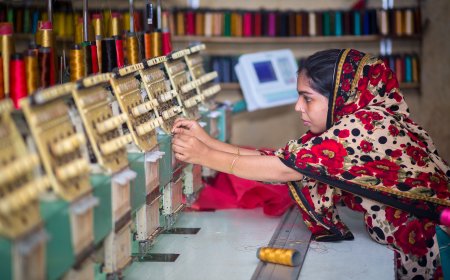
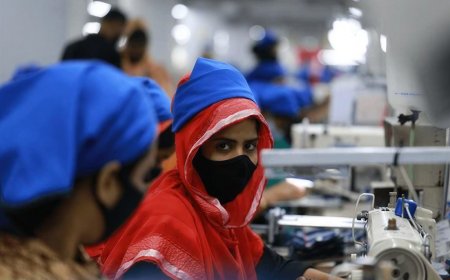
Picture a crowded factory floor in Dhaka. A young woman in a red headscarf sits hunched over an industrial sewing machine.
Her eyes are fixed downward, her face drawn with exhaustion. Overlaid on this image of relentless labor is a startling headline from a local newspaper: Garment workers to get rice at 30 Taka a kilogram under a special government program.
This is the reality behind the modern global supply chain. Bangladesh is the world’s second-largest garment exporter, generating $38.82 billion in 2025. The industry is celebrated as an economic miracle, a testament to globalization and free trade. Yet the people producing this wealth cannot afford to feed themselves without state intervention.
This is not a story about a struggling developing economy finding its footing. It is a story about a transnational system designed to extract maximum profit while externalizing the human cost. It is a system where the global elite benefit from the labor of the poor while refusing to pay them enough to survive.
To understand the scale of this exploitation, you only have to look at the minimum wages paid to garment workers across the globe. In 2025, Türkiye pays its workers $667 a month. China pays $294. Cambodia pays $208. Indonesia pays $172. Vietnam pays $163. India pays $124. Pakistan pays $135. Bangladesh sits at the absolute bottom, paying a minimum wage of $102 a month.
Even more telling is the comparison with Türkiye. Despite exporting 56 percent less clothing than Bangladesh, Türkiye pays its garment workers 554 percent more. The nations that export far less, such as India and Pakistan, still offer minimum wages that are 22 percent and 32 percent higher than Bangladesh. This is not an accident of economic development. It is the result of a deliberate race to the bottom.
Western brands know this. Multinational corporations and the financial systems that bankroll them use their massive buying power to squeeze factory owners on price. This is the mechanism of the transnational supply chain. Western buyers dictate the cost of a garment, constantly pushing for lower prices to keep retail costs down and profit margins high.
To survive, factory owners crush wages. The result is a transnational transfer of wealth where the Global North extracts billions in retail profit while the Global South absorbs the human cost.
The situation is made worse by the fact that even the meager minimum wage is not fully enforced. A 2025 study found that 13 percent of surveyed garment workers had not fully received the enhanced minimum wage introduced in 2023, with some receiving only partial increases and others none at all.
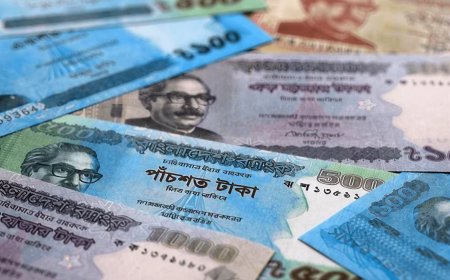
The government set the minimum wage at 12,500 Taka per month, effective January 2024. But for thousands of workers, even that baseline remains out of reach.
When a full-time job in a booming industry does not pay enough to cover basic nutrition, the state is forced to step in. The government provides cheap rice so the workforce does not starve. Under the program launched in November 2026, each worker can buy up to 10 kilograms of rice per month at 30 Taka per kilogram.
Workers must show factory identity cards and sign the factory master roll to qualify. The program operates from trucks at designated locations, initially in Dhaka, Gazipur, Narayanganj, and Chattogram.
This is not a safety net. It is a structural subsidy. The government of Bangladesh is effectively subsidizing the profit margins of Western fast-fashion brands by keeping their workers alive just enough to keep the machines running. If the Western brands paid a living wage, the government would not need to run this rice program.
The workers would simply buy their own food. But because the corporations refuse to pay, the state absorbs the cost of keeping the working class alive. The poorest citizens are paying to sustain the richest corporations.
This reality exposes the hypocrisy of Western corporate social responsibility. We are constantly sold a narrative by Western financial systems about environmental, social, and governance standards. Brands publish glossy sustainability reports. They claim to empower women. They claim to uphold ethical supply chains. They use the language of social justice to sell more products.
But what is ethical about a supply chain that relies on state-subsidized rice rations? What is socially responsible about paying workers so little that they must cut back on food and healthcare? The sustainability of these corporations is built on the systemic poverty of their workers. Their marketing is a lie.
The financial systems of the West, the banks and investment funds that pour money into these retail giants, are complicit. They demand quarterly growth and ever-increasing returns for shareholders. These returns are generated by squeezing the most vulnerable people in the global economy. When a hedge fund manager in London celebrates a record profit, they are celebrating the fact that a woman in Dhaka cannot afford to feed her children.
This is not a free market. It is neocolonialism dressed in fast fashion. The transnational elite, from the Western buyers to the local factory conglomerates, have engineered a system that enforces a permanent underclass. The people who make the clothes rely on rationing programs, while the shareholders in London, New York, and Paris collect dividends.
This system is built on a deep and despicable class hatred. It is a hatred that views the poor not as human beings deserving of dignity, but as disposable tools. The workers are not stakeholders. They are not human capital. They are simply inputs in a global machine designed to produce wealth for the few at the expense of the many.
When Western consumers buy a cheap shirt, they are not just buying fabric. They are buying into a global architecture of exploitation. They are buying a product subsidized by hunger.
The industry will not fix itself. Western buyers must stop demanding rock-bottom prices and start paying living wages. They must accept slightly lower profit margins so that the people making their clothes can afford basic food and healthcare.
Until that happens, corporate social responsibility remains a marketing slogan. The workers in Dhaka will continue to survive on subsidized rice while generating billions for the global elite. The machine will keep running, powered by poverty, and the world will continue to look away.
Zakir Kibria is a Bangladeshi writer, policy analyst, and entrepreneur based in Kathmandu. His email address is [email protected].