















































The Five Stages of Civic Grief
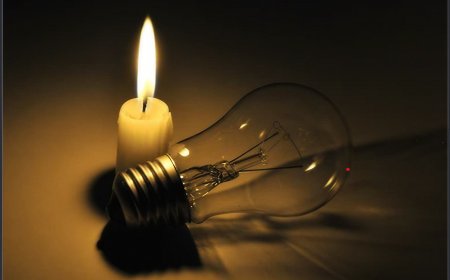
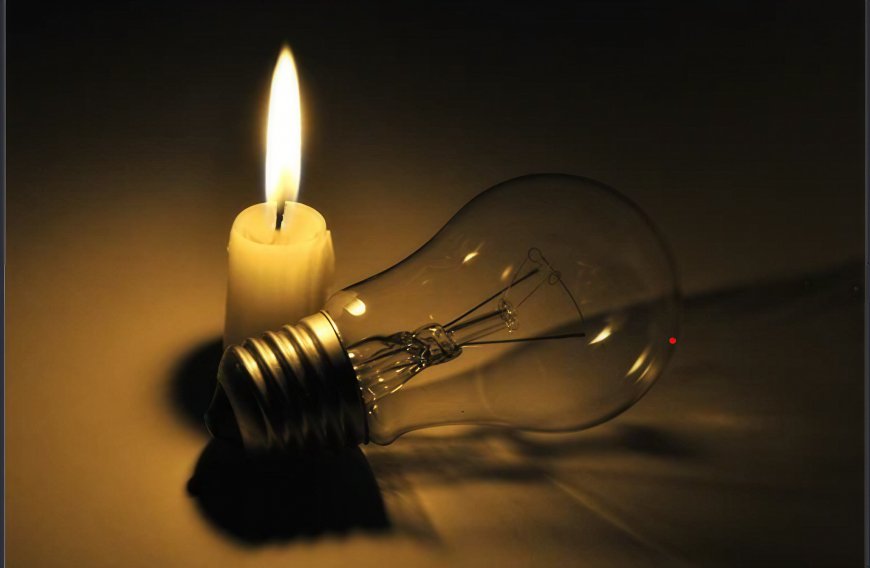
It's 6:00 PM. The power just went out, my laptop is at 12%, and I need to find a candle before I can continue mourning the collapse of my nation's social contract.
According to psychologists, when your foundational belief in fairness, dignity, and shared obligation crumbles, you don't just get "news fatigue." You get civic grief.
It's a term Western outlets have been throwing around lately, coined by people who have never had to bribe a clerk to notarize a document, only to find the notary's office closed because the power went out, and the backup generator broken because the generator repairman is stuck in a political protest on the other side of town.
In Bangladesh, we don't just experience civic grief. We have mastered it. We have turned it into an extreme sport. So let's translate this Western psychological framework into the local dialect. Here are the five stages of Bangladeshi civic grief.
Stage 1: Denial (The "We Are Developing" Phase)
This is the stage where we look at the national news and say: "No, no, this is fine."
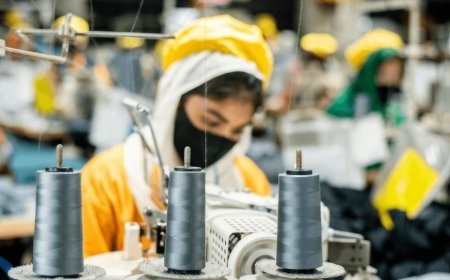
This is the era of the motivational Facebook post. The economy is wobbling, the banks are money-laundering machines for a select few, and youth unemployment is so high that a master's degree now qualifies you to deliver for Foodpanda.
But we cope. We tell ourselves, "This is just a temporary setback. The Padma Bridge will fix everything. We are a resilient nation!"
We use history like a sedative. We remind ourselves that we survived 1971; we survived the 2007 caretaker government; we survived the 2018 traffic jam. The system is resilient!
Meanwhile, the system is functioning exactly as designed: Funneling money to the top while the rest of us share a single bag of onions.
Stage 2: Anger (The "Who Do I Blame Today?" Phase)
When denial cracks, the anger walks in, takes off its shoes, and asks for a cup of tea. In the West, this anger is directed at "elites" or "the media." In Bangladesh, the anger is directed at everyone.
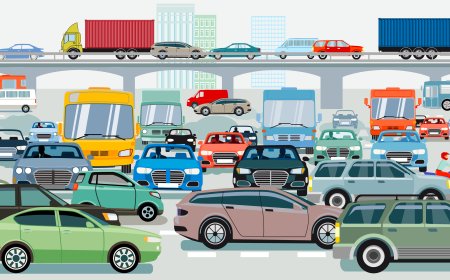
We are furious at the old regime. We are furious at the new regime. We are furious at the quota system. We are furious at the guy who just cut us off in traffic in a government-issued Pajero.
We are furious at the expats who fly back every December to complain about the dust while posting Instagram stories of themselves eating kacchi biryani.
Psychologists call anger "the immune response of conscience." In Dhaka, our immune system is in a permanent state of autoimmune disease. We are allergic to each other.
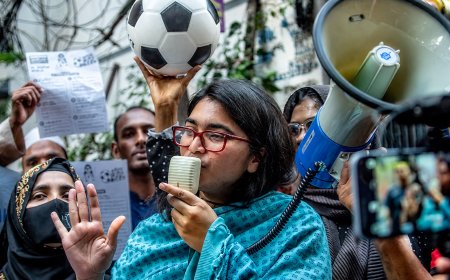
And the algorithm? The algorithm loves us. Facebook is our colosseum. Our uncles are the gladiators, thrown into the ring to argue about the Awami League versus the BNP. We mistake this daily digital bloodbath for "political engagement."
Stage 3: Bargaining (The "If We Just ..." Phase)
Ah, the prayer of democracy. This is where we start making desperate deals with the universe.
"If the interim government just holds a free and fair election, everything will be fine."
"If we just vote for the BNP, they will fix the economy."
"If we just vote for the Awami League, they will bring back the stability."
"If we just vote for a third party ... wait, there are other parties?"
Yes, there are. They are either cults of personality or doomed to irrelevance, but they exist, and we ignore them with equal enthusiasm.
We bargain because we're terrified of the alternative: That the old normal was a police state and the new normal is the same police state with faster internet. We bargain because we want to believe one election can undo decades of rot. Noble.
Also delusional. We are trying to fix a crumbling building by changing the doormat.
Stage 4: Depression (The "Load-Shedding of the Soul" Phase)
This is the dangerous stage. The adrenaline fades. The cycle of scandals, hashtags, and moral fatigue becomes the baseline.
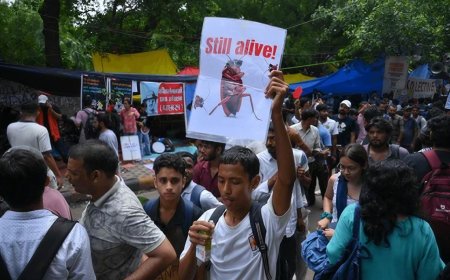
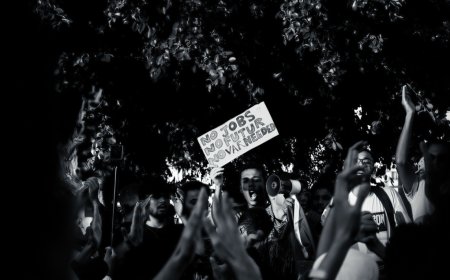
This is when the numbness sets in. You stop checking the news because it's the same loop: A fresh corruption scandal, another currency slide, a student protest dispersed with tear gas.
The ballot box feels like theater. The politicians feel like actors who have forgotten their lines but are still being paid. You withdraw. You don't protest. You don't vote.
You just try to survive the heat, the traffic, and the rising price of eggs.
The Western psychologist calls this "the tyranny of indifference." In Bangladesh, we call this "Tuesday."
Stage 5: Acceptance (The "Amar Desh, Amar Dukho" Phase)
Acceptance isn't a fix. It's what happens after you stop waiting for "the adults in the room," because you have realized the adults in the room are the ones who broke the furniture.
Acceptance is when you stop waiting for the government to save you and start doing the work yourself. It's the rickshaw puller fixing potholes, the students running a library out of a shipping container, the volunteers who beat the relief trucks to the flood.
It's the people who stay and tend to their little corner of the chaos.
The hopeful version of this framework ends on a beautiful sentiment: That democracy is rebuilt through habits that may outlast us.
It's a lovely thought. But in Bangladesh, "tending to the common life" also means accepting that you will inevitably argue with your neighbor about whose turn it is to pay the building's generator bill, while simultaneously trying to stop your uncle from posting fake news on WhatsApp.
That argument is civic engagement. The smallest version of the thing we keep failing to build.
Civic grief, in the end, is proof that we still care. It's the ache that tells us we still believe things could be better. That the gap between what we have and what we deserve isn't permanent. Just unjust.
So yes, civic grief is real. And yes, we have mastered it.
But until that day comes -- and it will, inshallah, or at least eventually -- I have to go. It's 6:00 PM. The power just went out, my laptop is at 12%, and I need to find a candle before I can continue mourning the collapse of my nation's social contract.
Zakir Kibria is a Bangladeshi writer, policy analyst, and entrepreneur based in Kathmandu. His email address is [email protected]