



















































That Time a Teen Novel About a Dead King Made Me Think of Dhaka
Read the book if you can handle the dark parts without flinching. It is fast, bold, and does what fiction should do: Take a story from far away and turn it into a mirror.

Book reviews generally tend to play on the safer, more polite side of things. This one is anything but. And I confess, I never expected a teen novel about a king’s deposition over 500 years ago to make me have opinions, aside from the novel itself, about my own country. I was wrong, and that is about as big a compliment as I can give it.
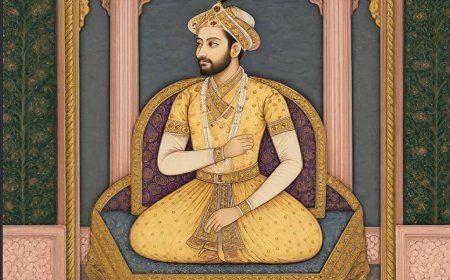
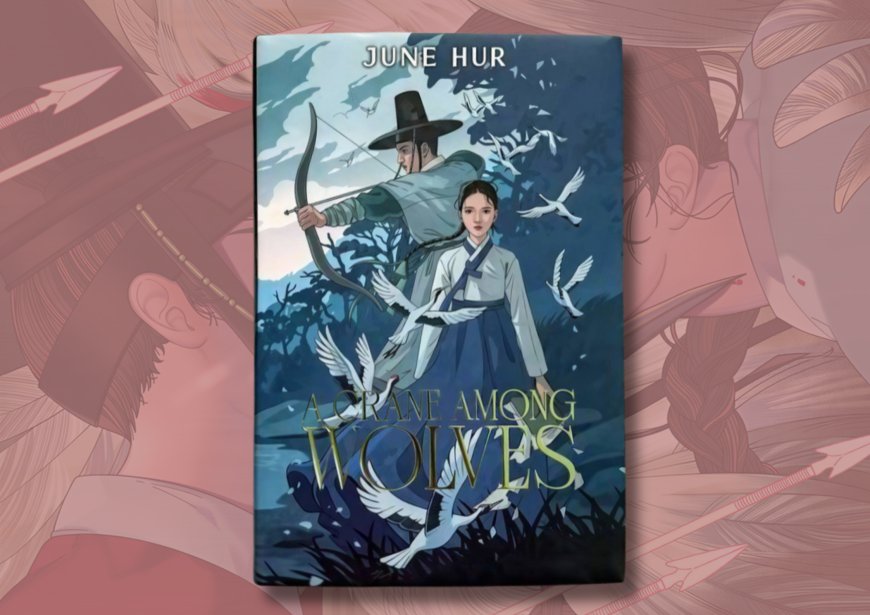
Here’s the basics of the A Crane Among Wolves by June Hur: The novel is set in Joseon (present-day Korea) in the year 1506, under King Yeonsangun, a tyrant ruler remembered in Korea as one of the most notorious monarchs in their entire history.
The 17-year-old Iseul, risks everything she has to rescue Suyeon, her sister from the king’s cruel grasp. On the way, she finds an unlikely ally in Prince Daehyun, a fictitious half-brother to the king, who seeks to overthrow him. That is the engine, the driving force of the book, and it runs hot throughout.
Now here’s what I’m going to do; I’ll be presenting what I think in seven opinions, none of them really polite.
Calling it “just YA” is Pure Laziness
Yes, it is a YA novel, true.. And it still says more about power than the political columns I’ve read in a while. The opening shows Iseul walking through villages the king had cleared up for his own hunting grounds; a doll is lying on the road, and there’s a stone marker promising execution to anyone who trespassess.
Tell me that’s “lightweight” content. The adults who skip YAs like these out of pride are not doing anything to protect their taste in literature. They are missing out on good writing, and I’m not sorry for ever pointing that out.
If You Binge-watch K-dramas, This One is for You
As avid K-drama consumers, many of us are familiar with the “start one episode, end up finishing the entire season” phenomenon. The plot here is exactly that but in book form. Palace intrigue, murder mystery, a tyrant king and a heroine with nothing left to lose, this book has it all and more. A lot of “serious” novels would kill for this rate of pacing.
We see Iseul alone in a field with a corpse, its throat cut and a flower resting on its chest. A message on the robe written in blood mocks the king as a drunkard who dances with his concubines while his people starve away.
Any sane teenager would run, but not Iseul. She pokes the body with a reed, pries open the clenched fist and pockets the wax bead she finds, mere seconds before a swordsman walks up. That is the moment I was gone.
Stop Asking Why the Tyrant is Cruel
The author’s note goes into the king’s motive: An act of revenge after learning how his mother was executed. But here’s my two cents: Motives are merely a source of excuse.
Cruelty with a background history still counts as cruelty. Other book reviews might point out to the themes of sexual violence with a warning. I’ll say read the warnings but never ask the author to soften a word. Censoring a predator is exactly how predators get remembered as “complicated”.
In chapter one, the bell is rung when the king’s party is on its way, so that the girls can hide. A bell for girls. The innkeeper, Yul, swears she’ll throw the biggest feast there is the day the bell no longer has to ring. That is what living under a predator feels like; you plan your day around one sound.
The Truth is More Dangerous Than the Sword
Iseul remembers watching a crane be surrounded by a pack of hungry wolves. She expected the crane to be devoured, but it never happened.
To her, truth is like that crane, strong enough to strike back no matter how fierce the opposition. The book bets its entire being in the fact that a tyrant never fears an army.
Alliances of Convenience are the Only Ones that Bring Down Tyrants
Iseul and Prince Daehyun do not like each other from the get-go. Hatred towards the king is the only glue. Nobody has to be friends to be useful to each other, and every coalition that’s survived a common enemy knows it.
A Memorial is Not Justice, and Neither is a Chargesheet
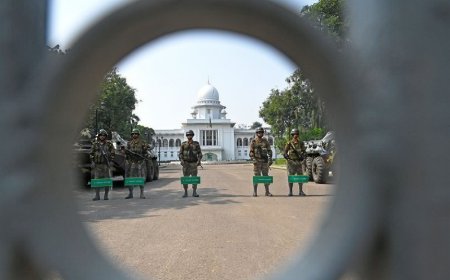
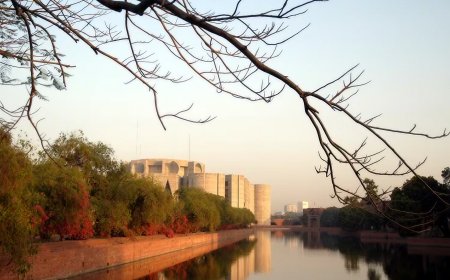
After the July movement toppled Hasina’s government, the new government opened a memorial in her former residence in August 2026. bdnews24 reported chargesheets against her in October, along with 115 others in at least three uprising-based cases.
Joseon is not Dhaka, and I’m not claiming such. But one scene made the link click for me. Iseul and Suyeon watch a family tend to grave and fall apart, because they’ll never know where their parents are buried. Grief always needs a space and an answer.
Earlier in the novel, Prince Daehyun tells Iseul not to risk her life to see her sister, but to free her from tyranny. A memorial lets you see. It does not free anyone.
I’m furious at any ceremony that says “we’ve done it” so the rest can stop looking. If we build a museum, hold a trial and still cannot tell a grieving family what they were owed, we have done the paperwork all wrong.
It isn’t Perfect, and a Review that Says it Out Loud is Worth More
Every five-star review reads like an advert, no matter what it is. My one complaint: The eyes we see the story through. Every chapter is through a privileged girl or a prince’s eyes. The ordinary people stay ordinary. It doesn’t ruin the experience, but a critic who can’t name a flaw is not a critic.
The bottom line is, read the book if you can handle the dark parts without flinching. It is fast, bold, and does what fiction should do: Take a story from far away and turn it into a mirror.
Aiman Swaad Ahmad is a student of Applied Linguistics and TESOL at ULAB drawn to the peculiarities of language and the intricacies of human expression.