
















































Youth Burns, Flames across the World
The government has fewer choices to offer to the youths and reverse the economy and the political system. The government’s appeal for national sovereignty and cultural integrity is a futile call in the face of the failure of globalization and liberalization of politics.

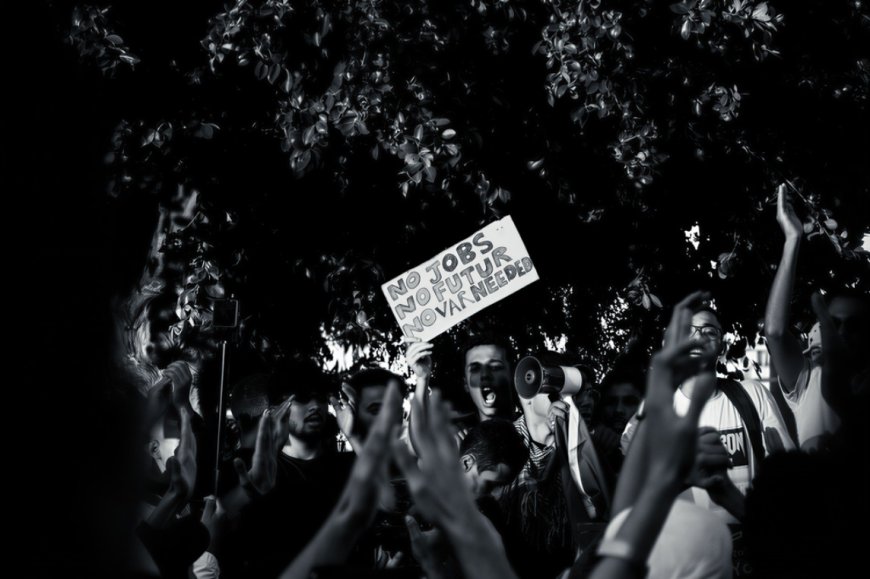
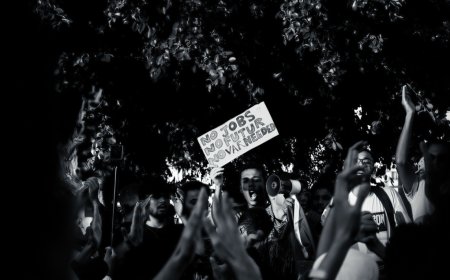
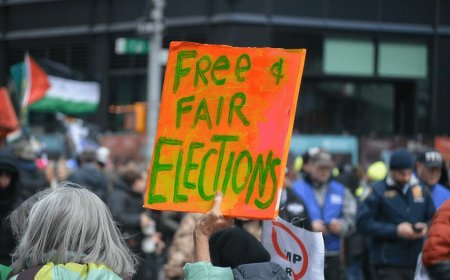
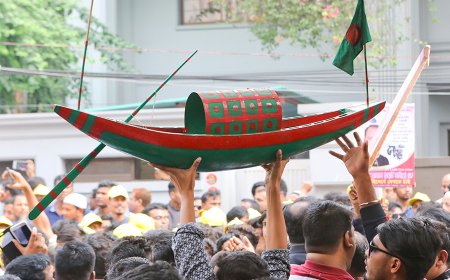
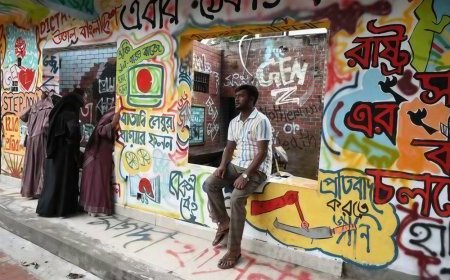
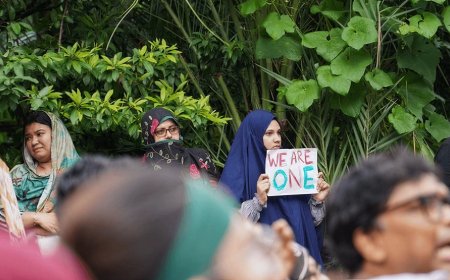
The disconnect between governments and citizens at large ignites flames in the hearts of youth, inflaming states across the world. What began in Sri Lanka, spreading to Bangladesh and Nepal to bring about change in government, hasn’t spared the land of Europe eventually.
Leaders across the world are trying to shift the blame onto migrants for largely failing to integrate and for dilapidating Western values. National identities and values of nation-states suddenly loom very large across Europe, which invented globalization in pursuit of greater prosperity.
Ever since the end of WWII, democracy, liberalization, globalization, etc. have been flaunted as irreplaceable ideas for solving humanity's problems and establishing peace in the world.
The institutions built in Western lands to solidify democratic governance were encouraged to be adopted elsewhere; now they struggle to satisfy their own citizens.
The institutions are under serious scrutiny by the citizenry to determine whether they serve them or otherwise.
Where lies the problem: Politics or economics, or in both, the modern-day political economy?
Politics was meant to design and control economics in the service of the masses. Instead, how economics is playing the dominant role in shaping politics needs to be seen.
Today’s economics is too liberal to care what Adam Smith devised in his classical economics. There is no sign of the idea that the market must be freed from feudal influences and operate as a self-sustaining mechanism that does not support only the hereditary ruling class or its associates, such as today's corporate oligarchs.
In Adam Smith’s economics, there was no scope for monopolies or uncontrolled profit-making; neither the buyer nor the seller could influence the market.
A fair market price reflected the actual, socially necessary costs of production, without special privileges that would impose such costs.
The goal of public spending on infrastructure, social needs, and taxation was to lower the cost of living and doing business.
Basic infrastructure services, such as roads and water, were to be priced at cost, subsidized, or provided free of charge. In classical economics, profits were meant to go to the most productive and efficient, not to the luckiest who happened to be born into wealthy families.
Public education was democratized, and healthcare was provided to the population. The idea of politics was that the government would spend to create credit, promote industry, and improve living standards, not to subsidize corporations or assist the ruling class or their associates through tax breaks.
From the mercantilist approach to classical economics, politics used to play the main role in deciding how to grow the economy and support the prosperity of the masses. But after the emergence of liberal politics, economics has, over time, replaced politics as the dominant force.
In the early age, the Viking invaders established themselves as absentee landowning aristocrats, warlords declared themselves kings, and their followers became landlords, transforming English society into a feudal system and giving politics a similar character.
Consequently, from this societal character, financial oligarchs, conquerors, kleptocrats, and families, through a strong network, succeeded in growing their hereditary wealth through political influence. By eliminating estate, property, and income taxes, the door was opened for economics to steer politics from behind the scenes.
An economic process stood in the way of the creation of a hereditary aristocracy capable of translating economic power into political power and privilege.
The 21st century has fostered an economy centered on a globalized financial system that operates on debt dynamics rather than tangible capital accumulation, breaking free from the constraints imposed by centuries of reforms.
The ideal of democracy has been eroded and replaced by the financial system's grip on government, along with deregulation and tax breaks for the wealthy in the name of liberalizing the economy.
The Thatcher and Reagan revolutions in the early 80s helped influence the global economy to liberalize politics to favor economic monopoly again.
It reversed progressive taxation and public regulation of finance and monopolies, thereby helping to concentrate wealth among a small segment of the wealthy.
The world economy has fallen into debt deflation and economic polarization between creditors and debtors, creating a financial oligarchy that seeks to siphon off economic surplus rather than distribute it in society.
The current political model has been forced to accept subordination to the financial system of the current liberal economic model. The tax philosophy and property relations that entail heavy investment in tangible capital are aimed at higher economic growth, not necessarily at equitable distribution.
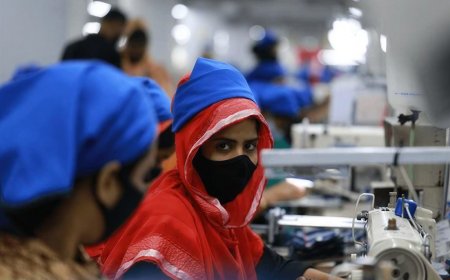
This economic model is at war with society, failing to distribute fair living standards to all. There is minimal control over inflation due to international trade manipulation by the corporate mafia, as is the case with employment generation.
Public services such as transportation, communication, education, and health have been largely privatized in the name of higher growth.
The economic model forced governments in the developed world to scale back pension payouts, creating opportunities for private companies to replace defined-benefit pension plans with defined-contribution plans. The economy, as promised, didn’t trickle down to benefit society equitably.
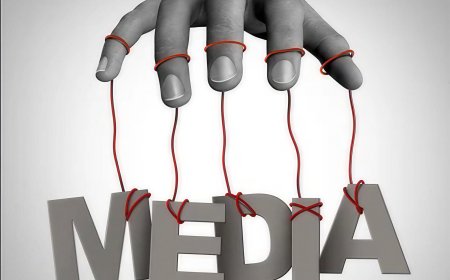
The youth burnings across the world, from the underdeveloped to the developed, are hostage to this political model, controlled by an oligarchic economic system. The liberal politics of the developed West aims at liberating this oligarchic class from the scrutiny of the rest.
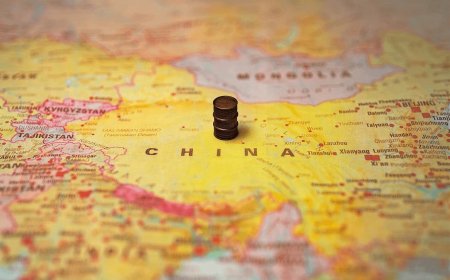
The majority of national assets have been privatized, falling severely short of supporting public services. The effects of war in the ME and Russian theaters drove fuel prices to record highs over centuries to control inflation and generate new employment.
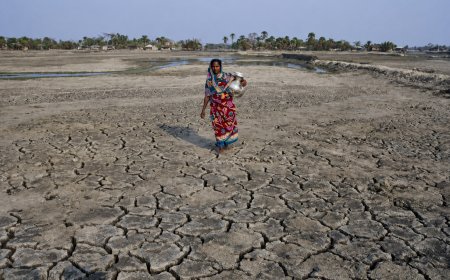
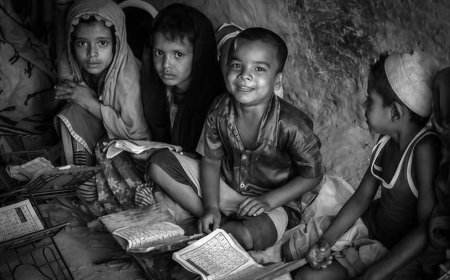
The youths ready to enter the workforce see no light at the end of the tunnel, and the rest preparing for it struggle to manage financially.
The government has fewer choices to offer to the youths and reverse the economy and the political system. The government’s appeal for national sovereignty and cultural integrity is a futile call in the face of the failure of globalization and liberalization of politics.
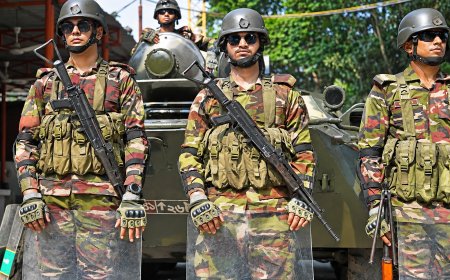
The destiny of global politics is unknown; the youth's destination is undefined; solutions within global power structures are limited to extinguishing the flames.
Brigadier General AF Jaglul Ahmed (Retd) is a regular contributor to national dailies. He can be reached at [email protected].