























































Let Hasina Return
While Hasina may enjoy residual support from die-hard loyalists, her opponents would likely be far more numerous and motivated, and would dwarf any efforts by her supporters to greet her return.
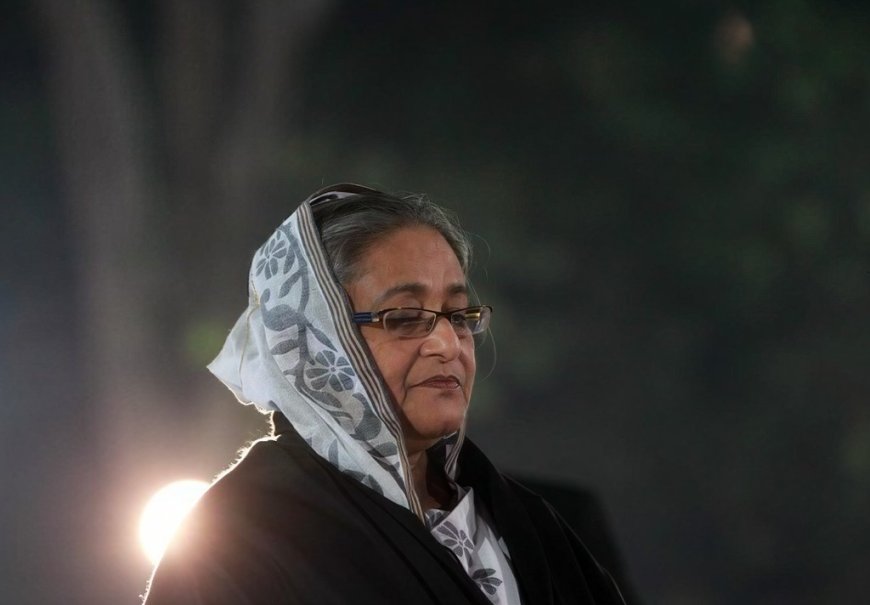
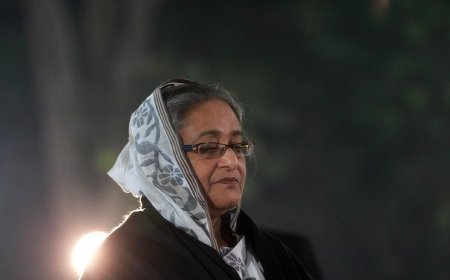
You have to hand it to Sheikh Hasina -- she knows how to change a conversation.
For the past several months, Hasina and her supporters have grabbed headlines with their repeated pledge that she would return to Bangladesh in December. Hasina has announced these plans in a variety of friendly public events -- from India to Europe to North America -- and has sought to buttress her claims by seeking a new passport.
These announcements have been accompanied by an increase in violence instigated by her supporters at home and abroad and have provoked a strong response from a Bangladesh government that has been otherwise consumed by efforts to respond to a global economic crisis.
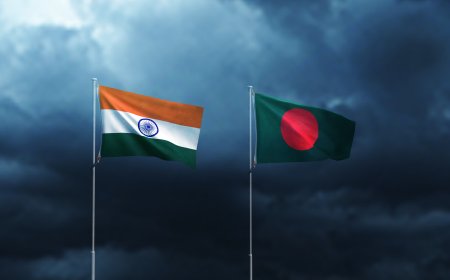
At the same time, the Hasina issue has provoked intense debates within Bangladesh and has derailed a hoped for reset in relations between Dhaka and New Delhi.
All this despite the likelihood that Hasina has no intent of returning to face justice in Bangladesh but has rather been bluffing all along.
Much of the public debate about Hasina’s return has centered around technical legal questions about her eligibility to receive a new passport or national identification card or about the applicability of the Bangladesh-India extradition treaty.
There have been questions about the international acceptability of in absentia convictions or the morality of the death penalty. Taken as a whole, these debates have obscured the real issues surrounding Hasina’s political past and future and have distracted attention from efforts to rebuild Bangladesh’s political and economic system after her decades of misrule.
For months, I have argued that Hasina’s announcement of plans to return has been nothing more than a bluff intended to rally her supporters and remain relevant in Bangladesh’s politics. No doubt she and her supporters also see value in disrupting efforts by Bangladesh and India to form a new relationship.
Her reported request for a passport is likely a trap that is intended to allow her to blame Bangladesh’s government for her failure to return home -- despite the reality that there are multiple ways in which she could travel to Bangladesh without this document.
My guess is that as December comes and goes, Hasina will simply kick the can down the road and continue to profess her desire to return without any intent of doing so.
Taking all the above into account, my advice for Bangladesh’s government is to call Hasina’s bluff and do all that it can to facilitate her return -- up to and including sending a plane to New Delhi to collect her and bring her home.
If she voluntarily agreed to return, then the issues related to extradition would evaporate and the Indian government could presumably facilitate her departure just as it and others do for other non-citizens seeking repatriation.
The Bangladesh government could issue a single-use travel document to satisfy Indian immigration and facilitate her travel from point A to point B. Once back in Bangladesh, Hasina would be subject to the legal system that has charged (and convicted) her with numerous crimes. If Hasina’s fellow fugitives wished to accompany her, they could certainly be allowed to join her on the flight home -- just as some were with her on the flight from Dhaka in August 2024.
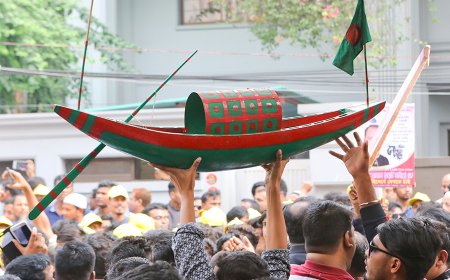
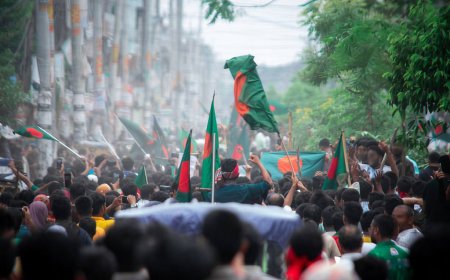
Hasina might hope that her return to Bangladesh would rally her supporters and that crowds of millions would turn out to greet her. My guess is that she would be sadly disappointed by the reception that she would receive. While Hasina may enjoy residual support from die-hard loyalists, her opponents would likely be far more numerous and motivated, and would dwarf any efforts by her supporters to greet her return.
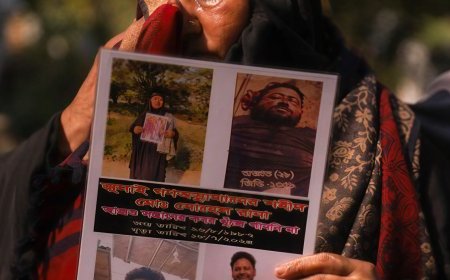
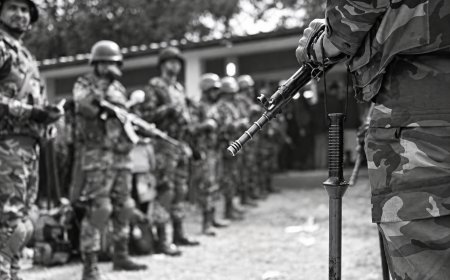
In December 2025, Bangladesh’s security forces demonstrated a commendable ability to manage several huge public gatherings, including the funerals of Sharif Osman Hadi and Begum Khaleda Zia, and Tarique Rahman’s return. They no doubt would be able to manage the crowds that would turn out on both sides for Hasina’s return.
While there would no doubt be pressure on the government to swiftly carry out the sentence handed down by the International Crimes Tribunal against Hasina in November 2025, my recommendation would be for her to be afforded a new trial.
While this might not be required legally, it would serve several political purposes at home and abroad. A trial in which Hasina is allowed full legal representation would answer critics who have focused on perceived flaws in her in absentia conviction.
As part of the effort at truth and healing, Hasina’s victims, supporters and the world should also be given the chance to see her in court answering to the charges against her. Given the extensive evidence that has been provided in previous trials and examined by the United Nations and others there is little reason the government should fear repetition of these in a public setting.
In my view, every moment of the trial should be broadcast publicly, and every effort should be made to ensure that every Bangladeshi gets to listen to an accounting of what took place during Hasina’s time in power.
In my view, Hasina facing justice for her crimes is a necessary first step in what needs to be a broader effort to promote truth, healing, and (ultimately) reconciliation. This is also important to prevent a repetition of what Bangladesh saw during the 15 plus years of Hasina’s rule.
Rather than allowing Hasina and her supporters to set the agenda, the government and the pro-democracy forces that overthrew Hasina’s regime in July 2024 should seize the initiative and focus on addressing the past as a way to prepare for a better future.
Jon F. Danilowicz is a retired American diplomat of the Department of State.