


































































Before We Forget Again
A broad, independent, victim-led movement can help turn that voice into sustained pressure for reform across governments and generations. Without such organization, Bangladesh risks another political transition that leaves the machinery of abuse intact.

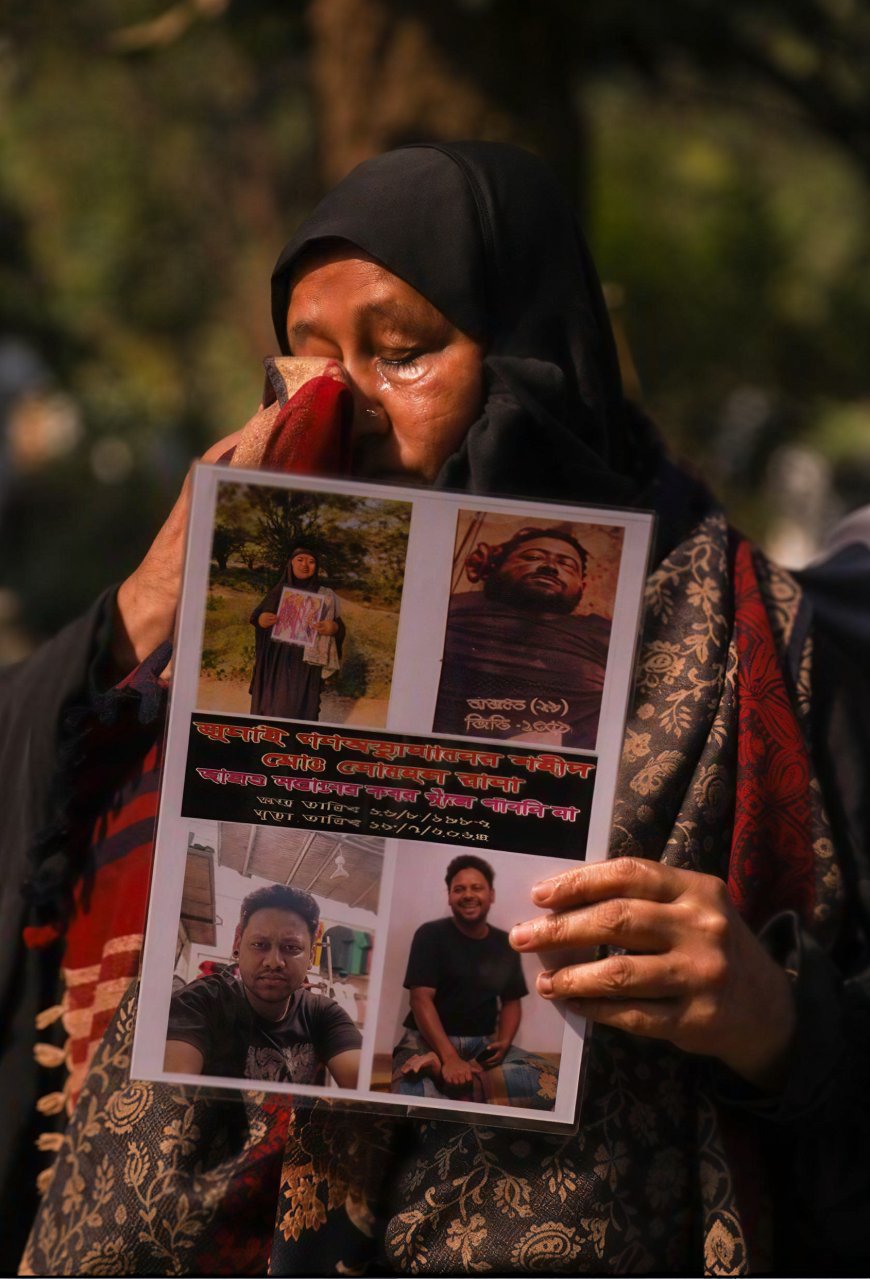
On September 7, the widow of a man killed during the July Uprising reportedly told the International Crimes Tribunal that her daughter had been raped after returning from her father’s grave and later died by suicide.
Her account illustrates how political violence can devastate families long after the immediate loss of life has faded from public attention. It also raises a question about institutional responsibility: Whether families affected by violence can access protection, support, and justice when they face further harm.
Political transitions may change governments and public narratives, but they cannot, by themselves, provide these safeguards. The question, then, is how Bangladesh can turn remembrance into lasting institutional reform.
On July 10, BBC Bangla released a video documenting three families' experiences.
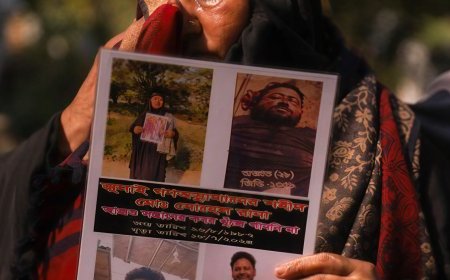
A woman had lost her husband on July 18, 2024, leaving a daughter who did not yet understand that her father was gone.
The parents of a boy killed on August 4, 2024 were living with the knowledge that six bullets had been found in his body.
Another boy had survived, but pellets had severely damaged his eyesight. According to OHCHR, as many as 1,400 people may have been killed during the protests of July and August 2024.
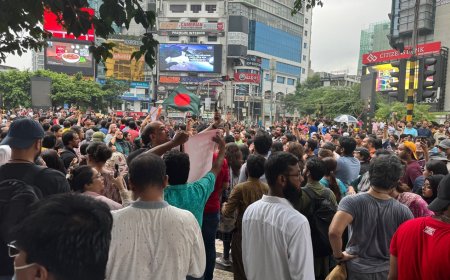
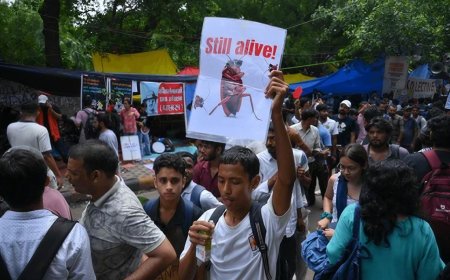
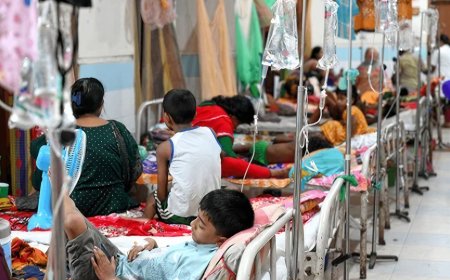
Thousands were injured, and many survivors face lasting disabilities. Two years on, whether we describe those events as an uprising or a revolution, the consequences remain with victims and their families.
A Cycle of Forgetting
The July Uprising of 2024 exposed the lethal consequences of a flawed system on an extraordinary scale. Pellets, presented as non-lethal weapons, caused devastating eye injuries.
The use of assault rifles and live ammunition against protesters and other civilians contributed to mass casualties, including deaths from gunshot wounds to the head. These experiences demonstrate why the weapons, practices, and accountability mechanisms of law enforcement require fundamental scrutiny.
Yet Bangladesh’s political transitions reveal a recurring pattern: Governments change, while their successors retain opportunities to exercise power through the same flawed institutions. The idea of social forgetting, explored by sociologist Paul Connerton, offers a useful way to examine how experiences of violence can lose their place in collective attention.
Governments may prioritise immediate stability over accountability; public attention shifts towards new concerns; political leaders neglect earlier commitments; or powerful actors deliberately suppress evidence and reshape narratives.
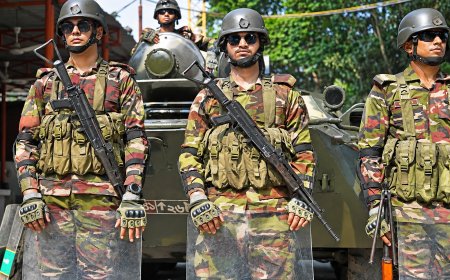
Under the previous government, maintaining law and order became a justification for excessive force, including during July 2024, when protecting government property was invoked to defend lethal responses.
When security institutions remain dependent on ruling elites and operate without effective scrutiny, the conditions for further abuses persist. This does not mean that victims forget what happened to them.
Victims as Keepers of Collective Memory
Over the past two years, Bangladesh has moved from an interim administration to an elected government. Political priorities and narratives have shifted, but victims and their families continue to live with the consequences of violence.
Their experiences preserve knowledge that can otherwise disappear from public debate. This knowledge can inform specific demands for reform. Survivors of pellet injuries, for example, can explain the lasting consequences of these weapons and advocate restrictions on their use.
Organized networks can sustain such demands across successive governments, helping to keep institutional accountability on the public agenda after wider mobilization subsides.
Bangladesh already has experience of families organizing against enforced disappearances. During the previous regime, these networks drew international attention to individual cases and challenged official narratives.
Their experience also raises a continuing question: How can victim organizations maintain their independence when political circumstances change, or organizers gain access to power? The same scrutiny must apply to subsequent legislation, including the Enforced Disappearance Prevention and Redress Bill, 2026, and to provisions that may leave room for continued abuse.
Political parties may also compete to claim victims as their own; victims are not a homogeneous group. Victims have their own right to political identities and affiliations, but recognition of their suffering and their entitlement to justice must not depend on those affiliations.
Treating them primarily as political assets fragments collective demands and weakens their agency in pursuing reform. Their meaningful participation and agency can strengthen the legitimacy, substance, and continuity of reform processes.
Building Independent Victim Networks for Lasting Reform
Independent victim networks can connect experiences of harm with sustained demands for institutional change. A network of people affected by disproportionate police force, for example, can advocate safeguards that apply regardless of which party governs.
Community-led documentation and archiving can also preserve testimony and evidence against neglect, denial, or political reinterpretation. An independent network requires them to retain control over their leadership, priorities, and advocacy, including the freedom to criticise any government.
A network whose agenda depends on a party’s interests may struggle to maintain that consistency when the party enters power.
Political leaders remain essential to reform: They can introduce legislation, allocate resources, and oversee implementation. Yet those who once opposed abuses may become less willing to challenge the same institutional practices after acquiring power.
Reform therefore cannot depend solely on their intentions. Victims and survivors must have meaningful opportunities to define priorities, scrutinise proposals and monitor implementation, while elected representatives and public institutions remain responsible for translating demands into effective safeguards.
Victim-led organizations can contribute through documentation and archiving, collective advocacy, monitoring reform commitments, and participation in commissions, preliminary hearings and policy consultations. Such involvement can help sustain any demand for change beyond its immediate mobilisation and political symbolism.
The Role of Civil Society
Many victims and their families continue to seek justice even as public attention moves elsewhere. Translating individual demands into a sustained national reform agenda requires resources, coordination and access.
Civil society organizations, human rights advocates, legal professionals and researchers can help by providing technical expertise, organizational support and connections to policymaking forums. Their role should be to enable victims to organise independently and participate meaningfully, while respecting their authority to determine their own priorities.
An immediate step would be to support consultations among existing victim networks, survivors and families affected by different forms of state violence. Participants could identify shared reform demands, agree on how they wish to be represented and establish a mechanism for monitoring public commitments.
Civil society organizations could provide meeting spaces, accessibility support and legal or research assistance, while participants decide whether and how to build a broader coalition. Such cooperation need not erase the distinct experiences or priorities of individual groups.
The family described at the beginning of this article reminds us that institutional responsibility continues long after an initial act of violence. Those who lost their eyesight, children or parents, deserve a central voice in shaping institutions capable of meeting those responsibilities.
A broad, independent, victim-led movement can help turn that voice into sustained pressure for reform across governments and generations. Without such organization, Bangladesh risks another political transition that leaves the machinery of abuse intact.
A change in leadership cannot prevent future abuses while these conditions remain. Sustained civic engagement supported by victims is necessary to ensure that reform extends beyond elections and promises.
Miftadul Islam is a researcher at Sapran – Safeguarding All Lives.