




















































Coastal Communities Know Very Well How To Combat Climate Change. Let's Listen to Them.
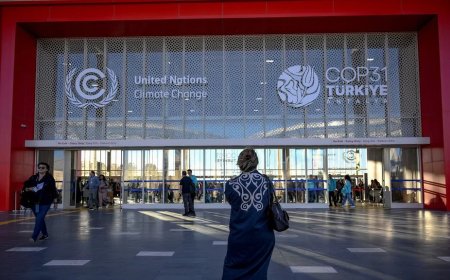
The oral histories of Bangladesh are not artifacts of a bygone era; they are evidence of a level of historic resilience unlike anything else seen in the world today. When the Bangladesh delegation presented their views at COP31, they were carrying vulnerability index data and structural damage estimates, but most importantly, the underlying spirit of the bhatiali and baromashi.

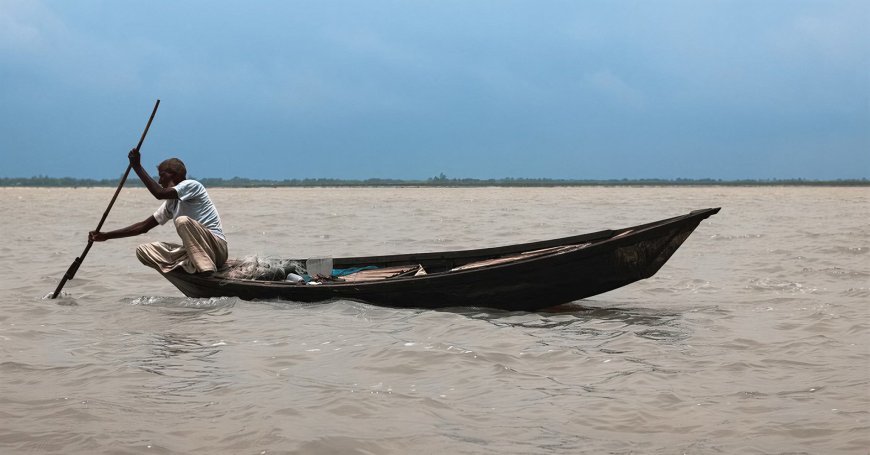
In the river-laced mazes of the Bengal delta, water is both a deity and a demon.
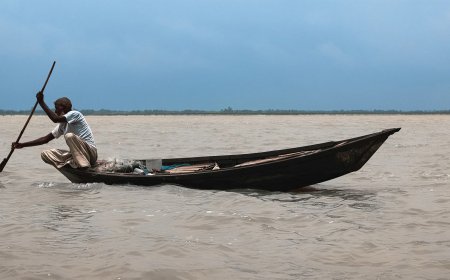
For centuries, the people who occupy this area have navigated their lives around the changing patterns of the mighty rivers and the harshness of the Bay of Bengal. This continuous and historically significant negotiation is not recorded in academic papers or in western climate models; it exists in our oral histories.
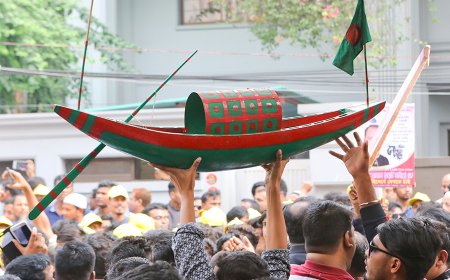
Bengal's folklore is a living and breathing archive of climate resilience from the haunting melodies of the bhatiali (boatmen's songs) to the sad verses of the baromashi (tales of twelve months of hardship).
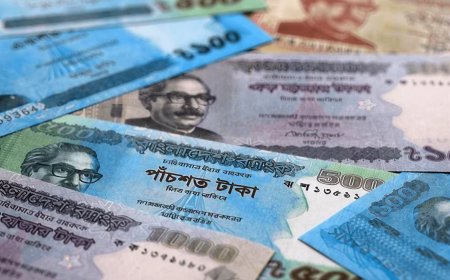
The recent announcement that Bangladesh has successfully obtained a $30 million climate finance package specifically for protecting our most vulnerable coastal populations has caused great joy throughout the country. Obtaining these funds is only part of the battle; the real test will come when we see how these funds are put to work on-site.
At the time of this writing, after the close of the 31st Conference of the Parties (COP31), the global climate conversation remains predominantly focused on technical terms. If we spend this newly obtained $30 million solely on Western-style "hard engineering" projects -- such as rigid seawalls, concrete embankments, and cross dams which are often ineffective against the dynamic and silt-rich rivers of our delta -- it will be a major lost opportunity.
To make certain that this money actually helps protect coastal populations, we need to incorporate the wisdom contained within our oral histories into the implementation plans being created post-COP. Consider the basic way each culture views nature. Many western climate initiatives view nature as something that needs to be controlled or tamed.
On the other hand, the oral histories of Bengal teach a philosophy of living harmoniously with nature.
Bhatiali songs do not suggest conquering the river; instead they teach about understanding its movements, respecting its anger, and flowing with it. This is the very definition of successful climate adaptation.
Funds intended to help protect coastal populations must focus on implementing community-based, nature-based strategies that reflect this indigenous philosophy of fluidity. We must develop policies that teach us how to coexist with water rather than futilely attempting to fight it. TEK (Traditional Ecological Knowledge) is not merely poetic; it is incredibly practical.
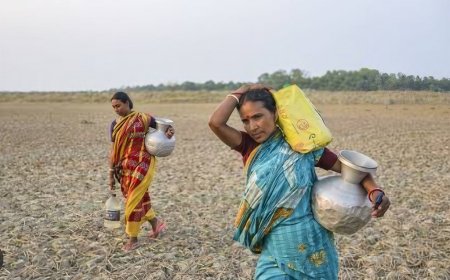
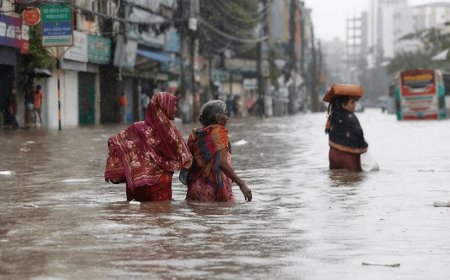
Women in rural coastal communities in districts such as Satkhira and Khulna have served as the main guardians of climate resilience for centuries. Prior to the advent of satellite-based early warning systems, coastal populations used rhymes and local observations to forecast impending cyclones -- observing changes in behavior among certain bird species or the color of tidal foam.
For generations, coastal women have passed down through oral history the skills needed to protect indigenous salt-tolerant seed varieties in clay pots suspended above ground level and elevate households' plinths above historical high-water marks. A large portion of the $30 million must be used to scale-up these highly-localized, community-tested innovations rather than importing foreign technology that does not apply to the local context.
Additionally, the oral tradition of Bengal has created a very human centered model for L&D discussions which were held during COP31. Currently, the Global North quantifies climate loss mainly in terms of dollars lost (loss of GDP), lost crops, and damaged infrastructure.
However, how can one quantify losing your homeland? Through the baromashi traditions, rural women sing about the cyclical grief of river erosion, as well as losing ancestral homes, families being separated from each other due to the separation of their communities, and the gradual disappearance of their native languages.
The songs of the baromashi demonstrate that many of the most damaging effects of climate change are not related to money. For example, when a village in Bhola disappears beneath the sea, it does so not only because of lost property value, but also because an entire culture disappears along with it. Policymakers should be aware of and acknowledge these intangible losses as they decide on the best ways to use the current fund and subsequent L&D funds.
The oral traditions of our culture provide the best evidence possible for documenting the unmeasurable human costs of climate change, and require that climate justice go beyond the numbers on a spreadsheet.
The message of COP31 needs to be very clear: Climate finance must be greatly decentralized. The $30 million that was just made available should not disappear into the maze of bureaucracy at international non-governmental organizations and expensive consulting firms.
Instead, the money must go straight to the local communities -- the farmers, the fishermen, and the coastal women -- that have always practiced resiliency. By formalizing oral knowledge as part of our National Adaptation Plans (NAPs), policymakers will allow global funding to support indigenous answers.
The international media has portrayed Bangladesh for decades as a sinking delta -- a passive victim of climate change waiting on foreign aid to save them. Now is the time to aggressively change that portrayal. Bangladesh is a country that has survived destructive cyclones, historic famines, and changing river courses.
The oral histories of Bangladesh are not artifacts of a bygone era; they are evidence of a level of historic resilience unlike anything else seen in the world today.
When the Bangladesh delegation presented their views at COP31, they were carrying vulnerability index data and structural damage estimates, but most importantly, the underlying spirit of the bhatiali and baromashi.
If COP31 is going to have a truly transformational impact, it will be because we realize that surviving the impacts of the Anthropocene is more than just about receiving Western technology or money; it is about utilizing the localized, tested, and deeply human knowledge embodied in the songs and stories of those who reside precisely where the water meets the land.
Dr. Md Habibur Rahman is a Development Specialist, Folklorist, and Professor of Folklore and Social Development Studies at the University of Rajshahi, Bangladesh. He may be contacted at [email protected]
Md. Shihab Uddin is a volunteer at UNICEF Bangladesh, an independent researcher, and a student of Folklore and Social Development Studies at the University of Rajshahi. He may be contacted at [email protected]