





















































The Genocide Verdict gives Dhaka New Cards. It Should Play Them Patiently.
Bangladesh has borne the cost of this genocide more than any country except Myanmar itself. The judgment does not change who controls Rakhine, but it does set out the terms of a durable settlement. Dhaka's interest lies in insisting on them.

Dhaka's response to Thursday's verdict at the International Court of Justice was swift and measured. The Foreign Ministry welcomed the finding that Myanmar committed genocide against the Rohingya in 2017, said Myanmar is now legally bound to comply, and repeated that return to their homes in Myanmar remains the only viable solution.
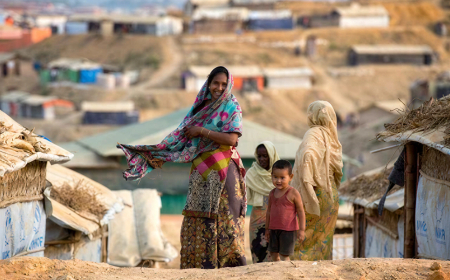
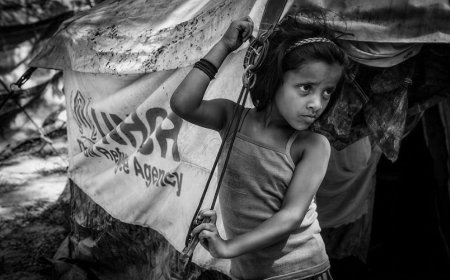
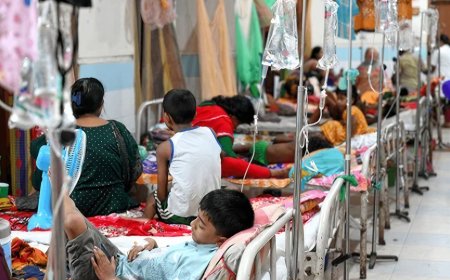
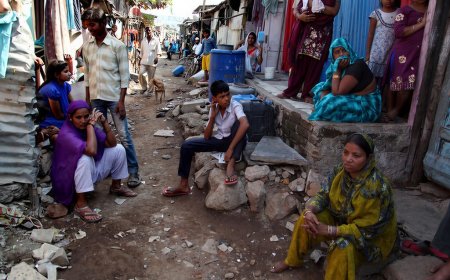
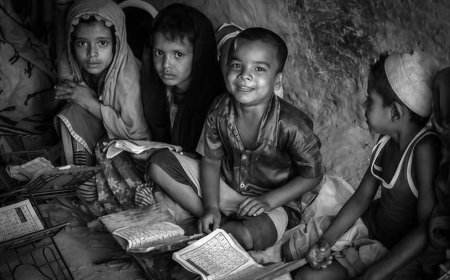
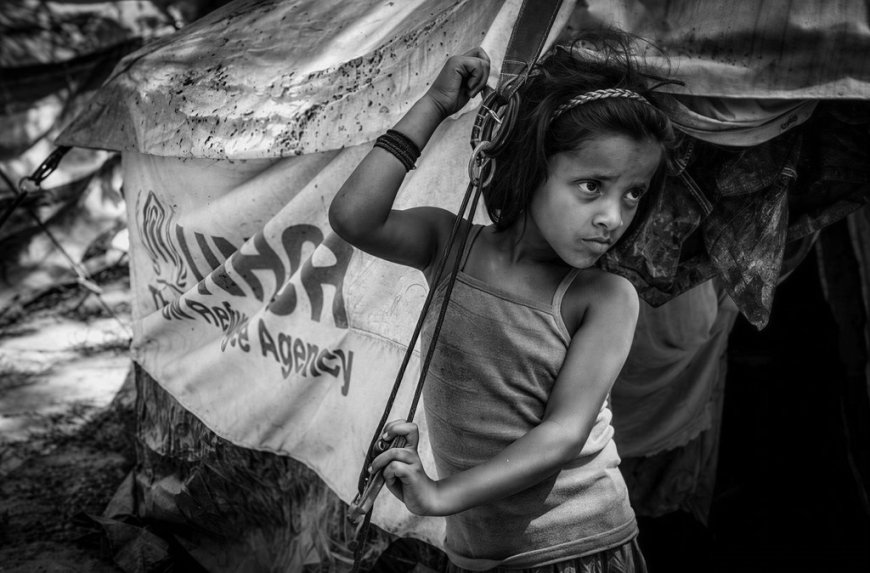
No country outside Myanmar has more riding on this judgment. Bangladesh hosts nearly 1.17 million registered Rohingya refugees, and more have arrived since fighting resumed in Rakhine in late 2023. The ruling will not change conditions across the Naf River soon. It does, however, change Bangladesh's position in three specific ways, and how Dhaka uses them over the next two years will matter more than the verdict itself.
The first is a legal standard for return. The court ordered Myanmar to allow the safe, voluntary and dignified return of displaced Rohingya to their places of residence, and to restore their property.
That is close to the formula Dhaka has repeated since 2017, now converted from a diplomatic demand into a binding obligation. Any scheme that moves people into camps or transit centres in Rakhine falls short of the court's order, not merely of Bangladesh's preferences.
The second is identity. In January, Bangladesh formally objected to Myanmar describing the Rohingya before the court as "Bengalis." The judgment treats the Rohingya as a distinct ethnic group protected by the Genocide Convention. Myanmar's claim that they are migrants from Bangladesh, the premise of its reluctance to take them back, now contradicts a final ruling of the UN's highest court.
The third is accountability. Because Bangladesh is a party to the Rome Statute, the International Criminal Court has jurisdiction over the deportation of the Rohingya into its territory, even though Myanmar is not a member.
The ICC prosecutor's 2024 request for an arrest warrant against Min Aung Hlaing, now Myanmar's president, rests on that jurisdiction, and the ICJ's findings strengthen the record behind it Dhaka's cooperation with the ICC, and with the UN mechanism that gathers evidence in the camps, is therefore a source of leverage as well as an obligation.
These cards come with constraints. The court's orders bind Naypyidaw, but the Arakan Army controls the entire border and most of Rakhine, and it is not a party to the case. The government has sensibly moved to talk to both, and State Minister Shama Obaed Islam confirmed this month that Dhaka is engaging the regime and the Arakan Army in parallel. China, Myanmar's principal protector, is also one of Bangladesh's most important partners.
Within those limits, four choices would serve Bangladesh well.
First, make the judgment the reference text in every repatriation discussion, including with the Arakan Army. The group wants border trade and a working relationship with Dhaka. Both can reasonably be tied to how it treats Rohingya in the areas it controls, and to conditions for return that meet the court's standard.
Second, bring China inside the frame of the ruling rather than around it. Beijing has assured Dhaka of its support on repatriation, and it has its own stakes in Rakhine, including the Kyaukphyu port. A return brokered by China that then collapses would leave Bangladesh with another influx and Beijing with a less stable corridor. Dhaka should insist that any arrangement meet the court's terms.
Third, support the reparations phase. Myanmar must report within two years, after which the court will set compensation. Bangladesh, with UNHCR, holds the most complete registration records of the refugees, which will matter for any restitution or compensation process. It should agree with The Gambia and the OIC now on how those records are used.
Fourth, use the verdict to reset the funding conversation. Food rations in the camps were cut in April to as little as $7 a month for some refugees. Donors should be asked for commitments that run for several years, on the basis that Bangladesh is hosting the survivors of an adjudicated genocide, not a passing emergency.
There is also a domestic temptation to resist. Ministers have pointed to earlier BNP governments securing returns, and the pressure to show numbers is real. But the repatriations of 1978 and the 1990s were later criticized for the pressure placed on refugees to leave, and some of those who went back were driven out again in 2017. The court has now raised the bar. A return that meets its standard will take longer. It is also the only kind likely to hold.
Bangladesh has borne the cost of this genocide more than any country except Myanmar itself. The judgment does not change who controls Rakhine, but it does set out the terms of a durable settlement. Dhaka's interest lies in insisting on them.
Azeem Ibrahim is a Research Professor at the Strategic Studies Institute, US Army War College and a Director at the Centre for Global Policy in Washington DC.