





























































A Raise Is Not Enough
An open letter to Prime Minister Tarique Rahman on the garment strike
Honourable Prime Minister,
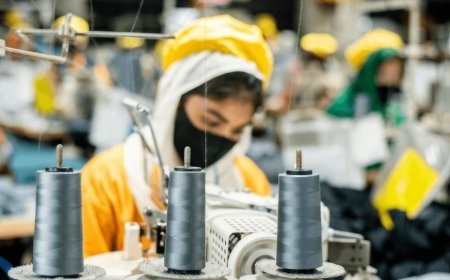
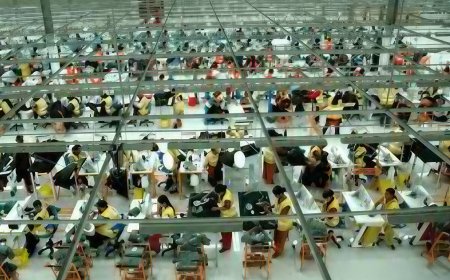
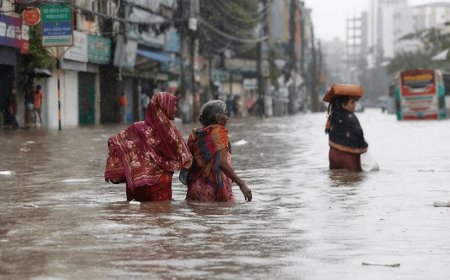
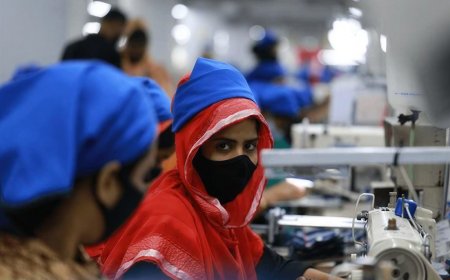
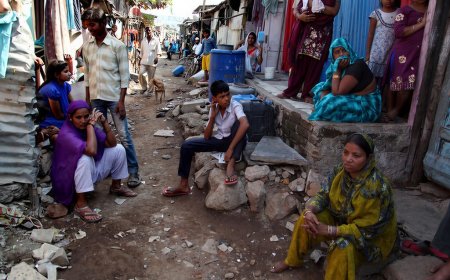
At dusk in Ashulia, when the factory gates open and a river of workers spills into the lanes, you hear the same conversation in a hundred tin-roofed rooms. It is not about the wage board. It is about the landlord. How much will he raise the rent this time?
That question, more than any slogan, explains why the strike goes on even after the wage board moved.
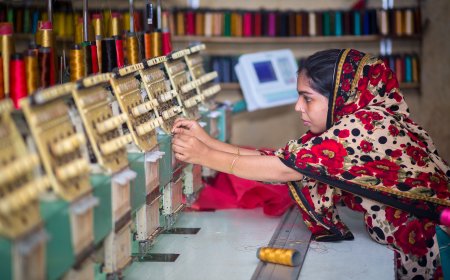
Workers are asking for Tk 30,000 a month, more than double today's Tk 12,500 (Al Jazeera). They deserve a raise. But let me say plainly what few will: a raise alone will not end this crisis. Unless food and housing get cheaper at the same time, the raise will vanish within months, and we will be back on the same streets.
A raise is not a plan
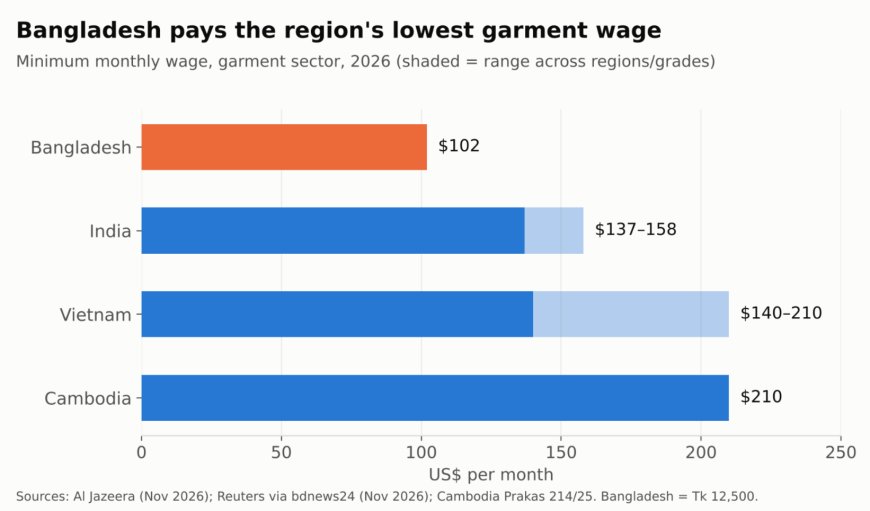
Our workers are the lowest paid in the region. Bangladesh's minimum is about $102 a month, against $210 in Cambodia, $140 to $210 in Vietnam and $137 to $158 in India (Al Jazeera; bdnews24/Reuters). The demand for more is fair.
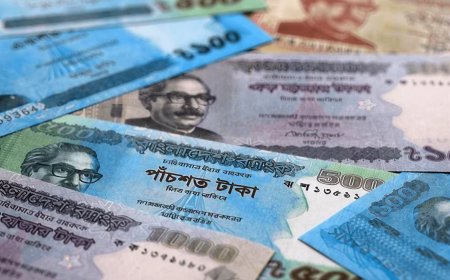
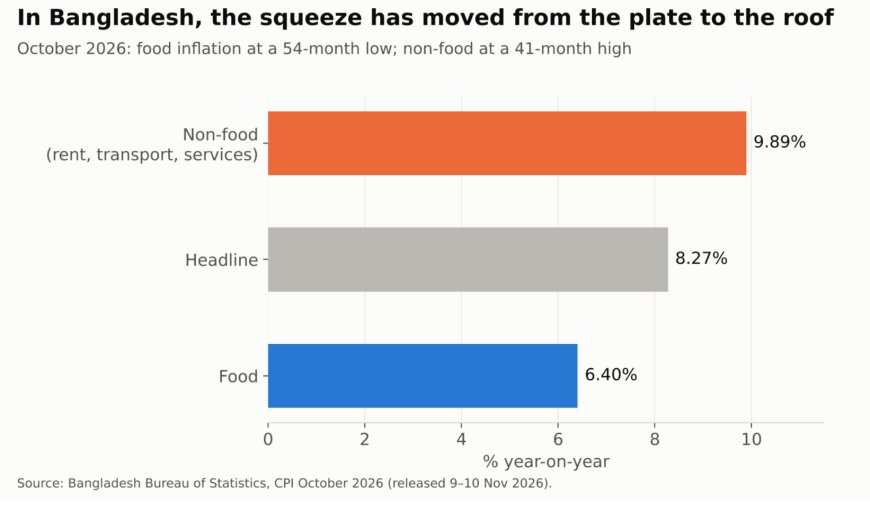
Yet a raise is a promise written in taka, and the taka is melting. In October, inflation ran at 8.27% while wage growth slowed to 7.63% (Asia News Network). And the squeeze has moved from the plate to the roof. Food inflation fell to 6.40%, its lowest in 54 months, while non-food inflation, which includes rent and transport, hit 9.89%, its highest in 41 months (BSS).
We have seen this film before. After an earlier wage round, one Dhaka worker's rent allowance rose by less than Tk 500, while her landlord announced a Tk 1,000 increase (Dhaka Tribune). After the 2024 settlement, workers said rents "shot up with the news of the pay rise" (Dawn/AFP). Cambodia's Labour Ministry begged landlords not to raise rents after its own wage increase. They raised them anyway (Cambodia Daily).
Is it any wonder workers no longer trust a number printed in a gazette? Every taka of raise that ends up with a landlord or a middleman is a taka the worker never sees.
What India's onion teaches us
India is often held up as the model, and for good reason. In October 2025 its inflation was just 0.25%, helped by tax cuts and supply-side policy rather than punishing interest rates (Dhanam). A year later it stands at 6.09%, with food at 8.94% (MoSPI). The culprits were shocks, not loose money: the West Asia oil shock, a weaker rupee, and an El Niño monsoon that ended 13% below normal.
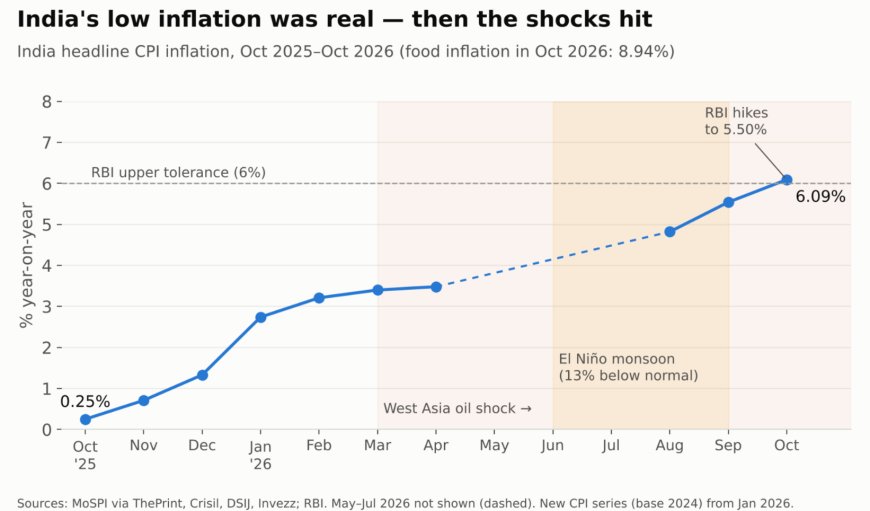
The onion tells the real story. India's onion harvest was close to normal, yet prices soared. The Reserve Bank of India blames depletion and spoilage of stored stocks (JM Financial/RBI). Months earlier, farmers had dumped onions at ₹5 to ₹7 a kilo for want of cold storage (Down To Earth). A glut at harvest, scarcity months later. India's central bank is now raising rates anyway.
But can a rate hike grow an onion? Can it chill a fish?
The same oil and El Niño shocks are reaching our shores, and we have even less storage than India. The cure must be built, not decreed.
Build the cure where the disease lives
I propose Triple-P, for Power, Protein and Preservation: One hub in every one of our 64 districts.
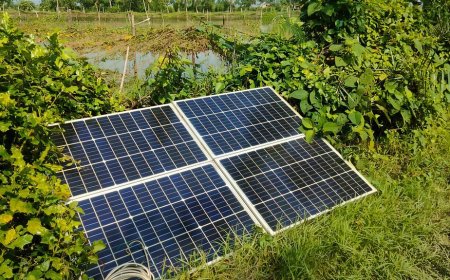
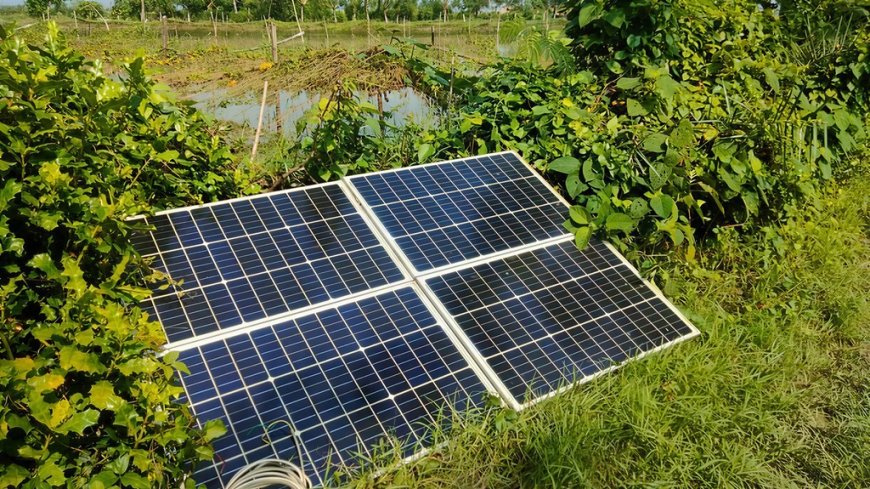
Each hub sits on unused government khas land. The government leases the land first to a fishery operator, who digs the ponds to the standard a solar plant requires. A solar company then builds 25 to 30 MW of panels over the ponds.
The single biggest obstacle to solar in Bangladesh, finding land, disappears. Nationally, this adds some 1,600 to 1,900 MW of solar without taking an acre of farmland, and the imported fuel it displaces could save roughly BDT 40 to 50 billion a year.
Beneath the panels, fish. China has already passed 25 GW of fishery-solar, and studies show that partly covering ponds barely affects output while keeping the water cooler in summer (ScienceDirect; Bioengineer review). Local farmers receive a guaranteed lease plus a 30% share of the fishery's profits.
The land is not taken from them; it is made to earn more. We are already self-sufficient in fish, but a growing population will need roughly 450,000 more tonnes a year by 2030; these ponds help meet it without touching farmland.
Beside the ponds, cold. Bangladesh has about 5.5 million tonnes of cold storage in some 427 facilities, nearly all of it for potatoes, and only about 15% of our perishables travel refrigerated (UNDP; BDPolicyLab). Each hub would carry a district cold store of 10,000 to 20,000 tonnes for fish, fruit, vegetables and dairy.
Small solar cold rooms in the surrounding villages would feed it, chilling produce right after harvest. India already runs such units on some 35,000 farms, some holding temperature for four days without grid power (Saur Energy).
What we lose, we import. Bangladesh grows about 17 million tons of vegetables a year and loses roughly a quarter of them, over 4 million tons, after harvest (FreshPlaza/BBS; Daily Star/FAO). Onions show it most sharply. This year we grew 3.82 million tons against demand of about 3.5 million (Daily Sun; BSS), yet 20% to 25% of the crop rots (TBS): roughly 800,000 tons. In 2024–25 we imported about 474,000 tons, around 96% of it by value from India (IndexBox).
Read that again: We lose more onions than we import. Every ton saved is a tonne we need not buy with scarce dollars, and a price shock across the border no longer empties a kitchen in Gazipur.
In 2024-25 alone, onion imports from India cost about $200 million (Daily Industry); in 2021–22, onions and garlic together cost $310 million while nearly 30% of our own crop rotted (Daily Star). We pay dollars for crops we grow and then lose. The pattern repeats: We import about $113 million of dried chilli a year from India (Daily Industry), lose 30% to 35% of our mangoes and 25% to 30% of our bananas, papayas, guavas and lychees (TBS), and waste 1.28 million tonnes of milk a year (BSS). Add it up.
Replacing onion and other perishable imports could save a few hundred million dollars a year. Post-harvest losses in just ten food items cost about $2.4 billion a year (TBS); cutting them by a third would recover some $800 million more. Together, that is close to a billion dollars a year. Every tonne we stop losing is a ton we need not buy.
Sixty-four hubs of about 20,000 tons each would add some 1.3 million tons of multi-commodity cold storage. Because vegetables turn over three or four times a year, that can handle 4 to 5 million tonnes, roughly the scale of today's vegetable losses, with cheaper ventilated stores for onions alongside.
By engineering estimates, the cold storage needs about 6 MW of solar per hub, some 400 MW nationally; the rest feeds the grid and local processing. A full feasibility study should accompany the pilot.
Here is what makes it work: No single company has to do everything. A solar developer builds the plant. A fishery runs the ponds. A cold-storage firm builds next door, and processors, feed mills and packers can follow.
Why has cold storage stalled for years? Because there is no reliable electricity. Existing stores fight load-shedding; new ones cannot count on power at all. Here, the power is already there.
The solar plant can sell its full output to BREB from day one, so its investor earns immediately. As each cold store and agro venture arrives, power shifts to them, and grid sales become the safety net. All this needs is a flexible power purchase agreement, low interest refinancing and a tax holiday for new cold-chain ventures. Every investor then arrives to a ready market.
What does this mean for a garment worker in Gazipur? Cheaper fish, less spoiled produce and cheaper power, all lowering the cost of her plate. No landlord can swallow that.
A roof the landlord cannot raise
Food is half the battle. The other half is shelter. Vietnamese factory workers spend about 30% of their income on rent, and Hanoi has answered with a $637.5 million credit package at around 2% for worker housing (VietNamNet; The Investor). Yet because worker housing there has stayed largely voluntary, supply still lags. We should learn from both its ambition and its shortfall.
The government should help develop affordable rental housing within walking distance of the factory clusters in Gazipur, Ashulia, Savar and Narayanganj, offering tax incentives, cheap finance and fast-track approvals to developers who commit to below-market worker rents.
Factories should pay a mandatory share of their export value into a worker housing fund, with international buyers asked to match it; the government can set the rate. And every new economic zone or large factory permit should come with worker housing as a condition of approval.
Meanwhile, fair-price food sales at factory gates on paydays, and a guarantee that the annual increment never falls below inflation, would give workers relief this season.
Two kinds of raise
Honourable Prime Minister, you can give workers a raise on paper, or a raise they can feel. The first is announced in a day and gone within a year. The second is built in steel, ponds, and cold rooms, and it lasts.
Settle the wage fairly. But in the same breath, commit the government to lowering what workers pay for food and shelter, ask the buyers who profit from their labour to share the cost, and break ground on the first Triple-P hub within 18 months. That is how we end this strike, and the next one.
Respectfully,
Kawsar Chowdhury
Founder and Coordinator, Alliance of 5 NBFIs Depositors Recovery Committee Founder, Bangladesh America Alliance and Global Bangladeshi Alliance
Kawsar “KC” Chowdhury is an entrepreneur, commentator, and Co-Chair of the Global Bangladeshi Alliance.