















































I Have Politics. I Do Not Have a Party.
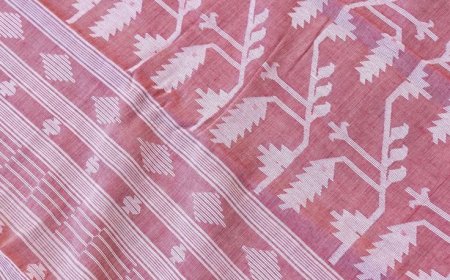
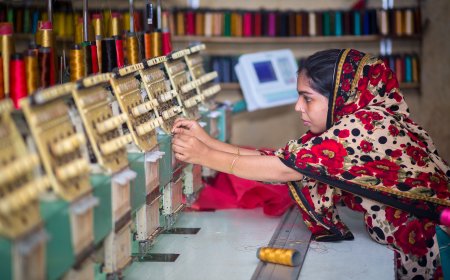
I want to live here. The songs, textiles, village craftsmanship and spiritual imagination I love belong to this place. Culture is part of how I know Bangladesh and why I remain attached to it. No political party owns that attachment.

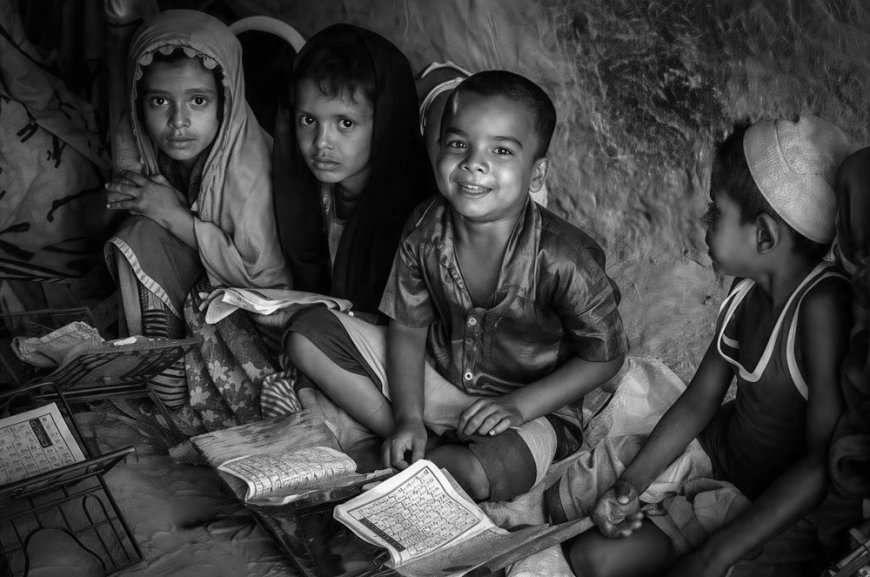
I am a woman, an artist and a mother. When I think about Bangladesh now, I think about what my children will inherit: whether they will be able to question authority, make music, choose their lives and stand beside someone who has been harmed without becoming targets themselves.
I wonder how much of their freedom we are quietly surrendering while arguing about who is sufficiently religious, respectable, or patriotic.
I want my children to live in a country where courage does not require protection from powerful friends. I want that for every child.
Instead, I see how readily we turn identities into verdicts.
A woman who defends culture becomes “Shahbagi.” Someone who criticizes a cleric becomes an enemy of religion. Young people at a party become “drug addicts."
Once the label sticks, we seem relieved of the responsibility to ask what happened.
Let me be clear about my own politics. Supporting culture does not make me an Awami League supporter. Opposing religious intimidation does not pledge my allegiance to another party. “Shahbagi,” used as a ready-made accusation, tells you nothing reliable about my beliefs or political loyalties. It closes a conversation that ought to begin.
I was vocal against the Awami League while it governed. I was critical during Muhammad Yunus’s administration too, including of the direction of its relationship with the United States. I will criticize the BNP when it fails the people.
The reciprocal trade agreement signed under that administration in February 2026 deserves scrutiny of its commitments, consequences, and implications for our freedom to make national decisions.
I have politics. I do not have a party that I belong to. My judgment is not something any government acquires when it takes office.
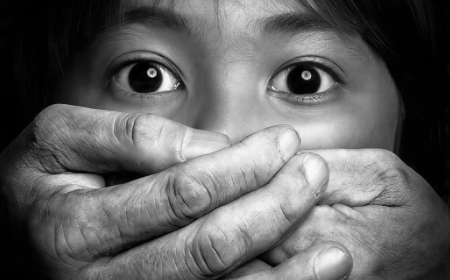
That independence matters when looking at the case of the seven-year-old girl in Tongi. Her father, Shahjalal Rumi, struck the madrasa teacher accused of sexually abusing her.
Police arrested the teacher. The madrasa authorities subsequently filed a counter-case against the father, including allegations he disputed. Rumi reported death threats, and his family reportedly left their home.
He later said he had left Bangladesh, but subsequent reporting offered conflicting accounts of his whereabouts. Their departure abroad remains unconfirmed. What is already intolerable is the report that a family seeking justice for a child felt unable to remain at home.
Why were we not more urgently concerned with protecting them?
We can investigate the father’s assault and every allegation against him while insisting on safety for his daughter. We can uphold the accused teacher’s right to a fair investigation while refusing to treat his religious standing as a reason to doubt or intimidate a child.
These obligations are entirely compatible.
I ask this as a mother: what are we teaching our daughters about speaking? Tell us what happened, but prepare for your household to become the battleground? Trust adults, but understand that an institution’s reputation may command more loyalty than your safety?
And what are we teaching our sons about authority? That a title deserves protection before a frightened child does?
Anyone who speaks in the name of faith should be willing to answer these questions. What kind of religious conscience becomes most agitated when authority is challenged? Where is its urgency when someone vulnerable asks for protection? Reverence cannot be an arrangement through which adults escape scrutiny and children inherit the consequences.
The government’s duty is concrete: investigate the complaint, investigate threats and protect the family. Arresting an accused person does not complete that responsibility. We need to know whether complainants can continue seeking justice safely.
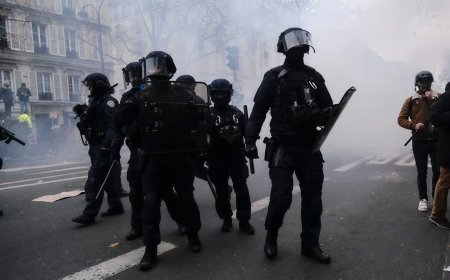
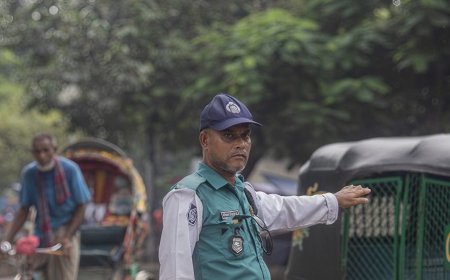
Now consider the recent raid at a senior police officer’s property in Dhaka, where more than 80 people were detained. Police alleged that Additional Deputy Inspector General Abdullah Al Jahir helped organize parties there; he said the premises were rented out under rules prohibiting drugs and DJ parties.
He was later suspended. His presence at the gathering has not been established in the reporting I reviewed.
Police reported recovering drugs and alcohol. Those findings require investigation. But evidence against one person does not establish an offence by everyone in the room. Nor does attendance establish addiction. A public label cannot do the work of individual evidence.
Even a person who does struggle with addiction remains entitled to dignity. We cannot claim moral superiority by making someone’s suffering an insult. A society interested in its children’s wellbeing should want honesty, treatment and accountable enforcement, rather than a spectacle of disgrace.
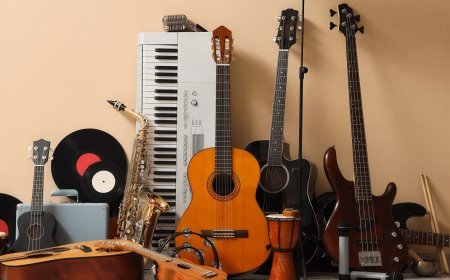
I know the suspicion surrounding music from my own experience.
At an electronic music session on our rooftop, police arrived and made the audience leave. I remember our staff being taken into custody and our computers being removed. My cousin, who asked for a warrant and tried to seek an explanation, was taken in too.
Around midnight, I went to the police station to seek their release.
As I understood it, the complaint was about music. Our venue was in a commercial area, the surrounding offices were closed, and I did not consider the sound excessive. Why did this require taking away staff and equipment? What conduct justified each action?
Rules about noise and public safety should be clear and proportionate. A cultural organizer should be able to understand and follow them. People should not have to negotiate their dignity at a police station because an audience gathered around music.
Meanwhile, clubs in Dhaka provide social spaces for expatriates and foreign nationals, with eligibility linked in some categories to visas, residence, and work permits.
Bangladesh also permits alcohol consumption at licensed bars under rules that distinguish foreign nationals from permit-holding local citizens. It would be inaccurate to claim that all Bangladeshis are forbidden to party or every foreign passport guarantees entry.
But the question of privilege remains.
Why should freedom feel more secure when attached to international status, money or connections? Why should an ordinary Bangladeshi audience feel that its enjoyment requires an explanation?
Citizenship should give us confidence that our rights will be respected in our own country.
This unequal distribution of freedom begins long before anyone attends a concert. It begins with the education children receive and the questions they are allowed to ask.
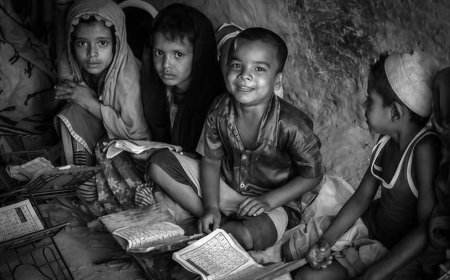
Many poor families turn to madrasas because these institutions provide schooling, food and accommodation. A government that fails to make these necessities accessible cannot blame parents for accepting them elsewhere. But a child’s poverty should never determine how narrow their future becomes.
Qawmi education is not uniformly Quran memoriation without understanding. Advanced study includes Arabic, interpretation, jurisprudence and other disciplines; some institutions teach general subjects.
Serious criticism must acknowledge that. It must also ask whether students receive sustained, effective preparation for the wider world. Research into English instruction has identified uneven provision, resource shortages and teacher-training needs.
We are discussing children on a vast scale. In July 2026, the education minister estimated Qawmi enrolment at seven million, although estimates vary. These are lives for which the country must plan, with reliable information, meaningful oversight and educational opportunities that remain open.
Every child deserves Bangla, English, mathematics, science, history, and digital literacy, taught well. Religious study can coexist with that foundation. Students need recognized pathways into universities, technical education and different professions. A choice made for a seven-year-old should not become a boundary that a 17-year-old cannot cross.
They should study other religions and philosophies respectfully too. They should encounter the many traditions through which people understand morality and existence. Understanding difference gives children the possibility of examining a judgment before inheriting it.
Memorization should be accompanied by comprehension, interpretation and the freedom to question.
The ignorance that worries me is the certainty that no further understanding is necessary: that another person’s clothes, faith or pleasure tell us everything worth knowing about them. It can grow in an elite drawing room as readily as a classroom. Madrasa students deserve our solidarity in demanding broader possibilities, rather than another label to carry.
Successive governments have negotiated with organized religious power. The history of Qawmi qualification recognition crosses BNP and Awami League administrations. Under the Yunus-led interim government, Hefazat demanded the dissolution of the Women’s Affairs Reform Commission. Every administration must answer for what happens when institutional demands collide with individual rights.
Checks and balances must reach the places where children actually live. Residential schools need independent inspection, confidential complaints procedures and enforceable safeguarding standards.
Police action needs scrutiny. Threats need investigation. Educational reform needs trained teachers, money and routes into further study. Institutional autonomy cannot mean freedom from accountability.
Bangladesh has already lost voices to threats, murder and exile. Amnesty International has documented activists leaving for safety and failures to protect them. I refuse to accept departure as the only imaginable future for people who question.
I want to live here. The songs, textiles, village craftsmanship and spiritual imagination I love belong to this place. Culture is part of how I know Bangladesh and why I remain attached to it. No political party owns that attachment.
As a mother, I cannot be satisfied with securing a private escape for my own children while the country becomes less habitable for everyone else.
I want them to inherit institutions strong enough to protect a child against an influential adult, and a public conscience strong enough to defend someone it does not resemble.
That requires something of us too. Before calling someone “Shahbagi,” “drug addict,” or an enemy of faith, we must ask what the label permits us to ignore. Our children will inherit the consequences of that refusal to think. They deserve better than our hypocrisy.
Anusheh Anadil is a Bangladeshi musician, artist, cultural activist, and social entrepreneur.