


















































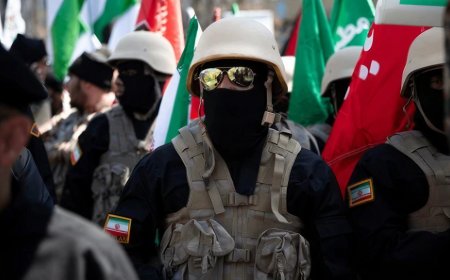
Former American Secretary of Defense Donald Rumsfeld’s phrase “unknown unknowns” best captures the near impossibility of predicting what comes next. That said, the ongoing Iran-United States ceasefire, offers a brief window of opportunity to take stock: A highly precarious, at best partial, cooling-off period in a region that remains very much in turmoil.
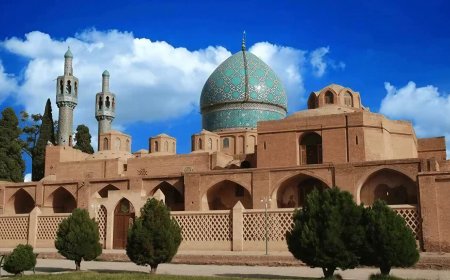
This piece marks the first in a multi-part series that seeks to place a human face on the Iranian people, moving beyond the abstractions of politics and stereotype.
It is a clear admission that the war failed to deliver its stated objectives. No regime change, no oil conquest, no uncontested control of the Strait of Hormuz, no elimination of Iranian nuclear capabilities without serious concessions.

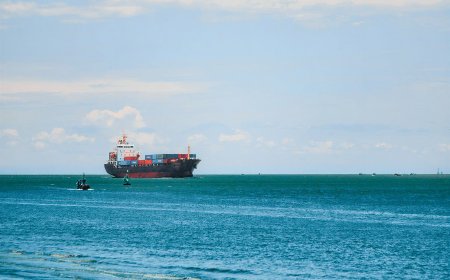
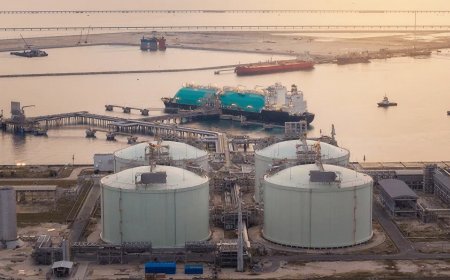
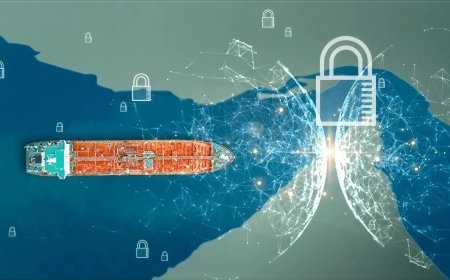
The Strait of Hormuz is in crisis, disrupting the global economy. Asia, in particular, faces a coming storm with a prolonged closure -- the Strait carries the lifeblood of Asia's economy.
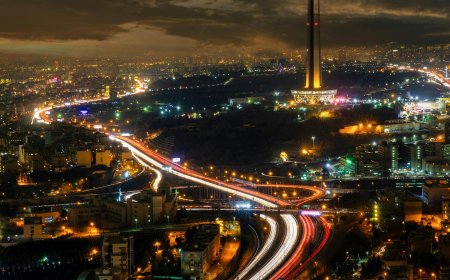
Iran is more than just a state; it is a civilization capable of developing a new system or model that others might follow, beyond the Westphalian framework. Without wise leadership, the ongoing conflict could not only lead the world into a prolonged economic downturn but also reshape global power balances.
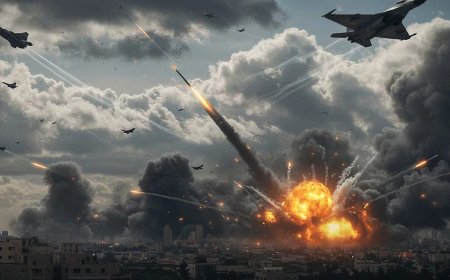
From the Strait of Hormuz to the Bay of Bengal, the United States is fighting a war it has never fully declared -- one waged not against Tehran or Caracas, but against the architecture of a Chinese-led economic order.
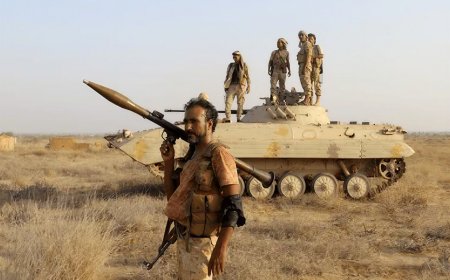
Iran is delivering a master class in asymmetric warfare with real life military, geographic, and economic consequences.
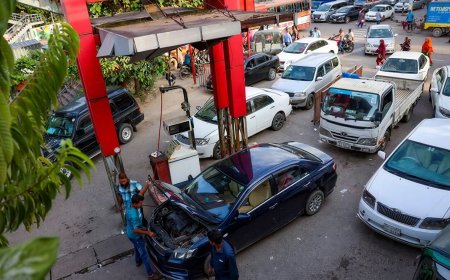
Already, there are signs of classic crisis behaviour. Panic buying, hoarding, informal resale of fuel at inflated prices, and rising tensions at petrol pumps. These are not the symptoms of a stable system. They are the early tremors of a breakdown in trust.

International law appears to bind only the weak nations but not the powerful, mighty ones. Afghanistan, Gaza, Guantanamo Bay, and targeted actions against foreign leaders all show how rules can be bypassed without consequence.
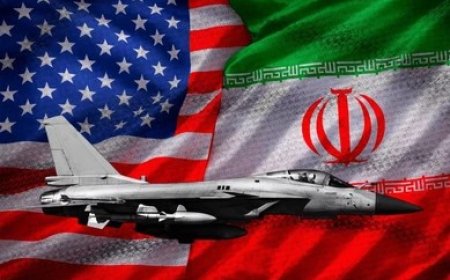
Iranian leadership has demonstrated remarkable resilience, shaped by the mosaic defence, the bolster policy of Iran after the death of Kashem Soleimani.
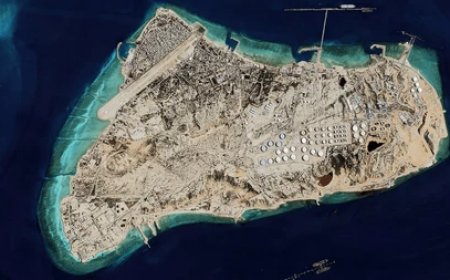
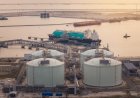
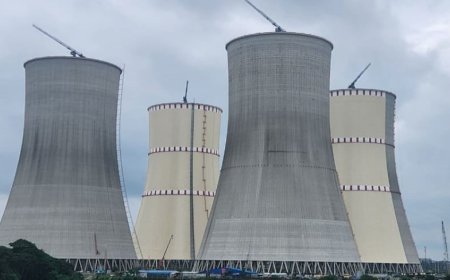
Modern warfare increasingly targets economic infrastructure rather than traditional military formations. Oil terminals, pipelines, power plants and ports have become instruments of pressure in conflicts across the world. The objective is not merely to defeat an enemy army but to weaken an adversary’s economic foundations.
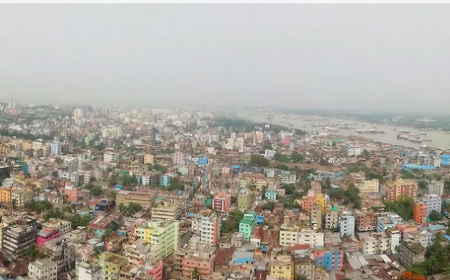
International law and global stability are not distant abstractions for Bangladesh but essential pillars of economic resilience and national planning.

Both the USA and Israel have adopted evasive strategies influenced by various factors, such as diverting attention from the Epstein scandal, preventing Iran from developing a nuclear weapon despite Iran repeatedly denying its intent through negotiations in Geneva, the potential failure of Trump’s MAGA project, and notably, projecting a false sense of control over Iran before Trump’s visit to China to gain bargaining leverage. The length of the conflict will depend on the conflicting attitudes of the USA and Iran’s determination to withstand the war.
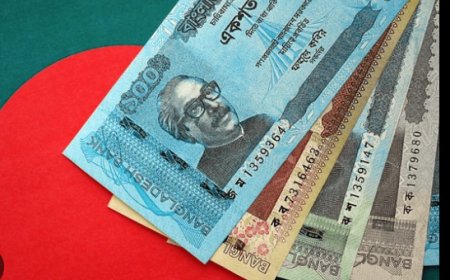
A prolonged conflict in the Middle East would likely trigger a slump in consumer demand in Western markets, leaving the RMG sector vulnerable to the dual blow of dwindling orders and the logistical nightmare of disrupted maritime routes.

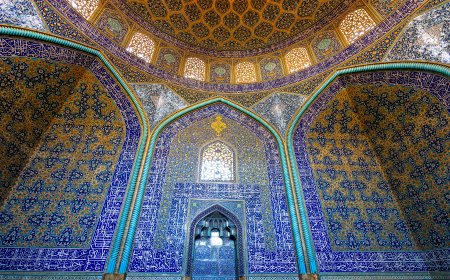
Firdaus embodies the Iranian identity, Hafiz brings ecstasy, Sadi offers wisdom, Khayyam presents doubt, and Rumi provides answers. The psychology of the Iranian people is more complex than Westerners might understand.
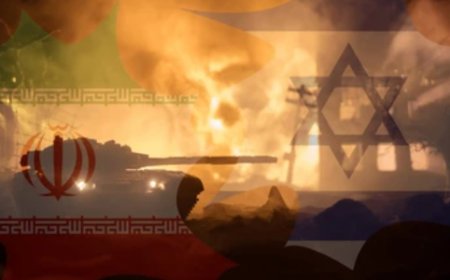
Since 1945, and specifically since colonizing Palestine with Israel and taking the baton of Empire from Britain, the US has been waging imperial domination around the globe, with the safety of claiming the distinction of not being an overt colonial force.