


































































A Contingency Plan for Our Migrants
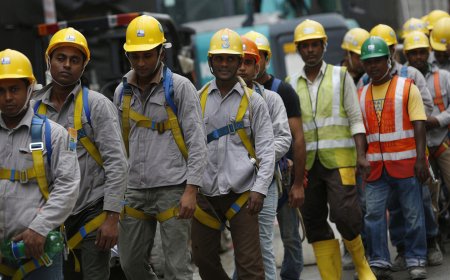
An extended war would not only upset the oil market, but could also disrupt development projects. Our workers, mainly in construction, cleaning and other blue-collar professions, are thus at high risk of mass layoffs.

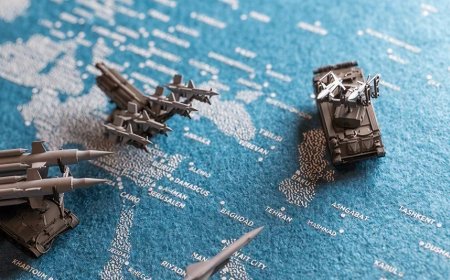
The Middle East is rife with the scent of gunpowder in the air. The shadow war that Iran and Israel have fought for years in the shadows is now a direct conflict. If the scale and scope of this confrontation keep expanding, it will not only redraw the geopolitical map of the region but also send economic and humanitarian shock waves thousands of miles away to countries such as ours.
In this globalized age, no war can be confined to a distinct geographic entity. For a developing country like Bangladesh, such a conflict brings real anxiety, especially around the lifeblood of our economy -- the millions of our migrant workers in and around the Middle East as well as the remittances they send home.
This crisis is much more than an international headline; it is a critical national issue directly affecting our macroeconomic stability, national security, and the pocketbooks of millions of American families. If the conflict spreads to Lebanon, Jordan, Syria or other Gulf states as a result, then we will have fundamentally endangered the safety of our workforce across its region.
Let alone, under these tumultuous circumstances, there is an immediate need to develop a reasoned and all-consuming national discussion and debate on the life-threatening risks endured by our expatriates, as well as the impending threat of a spiraling downtrend in inward remittances and contingency plans that we must implement immediately to prevent potential humanitarian disaster.
How We Depend on the Middle East
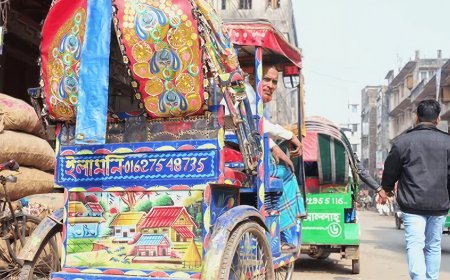
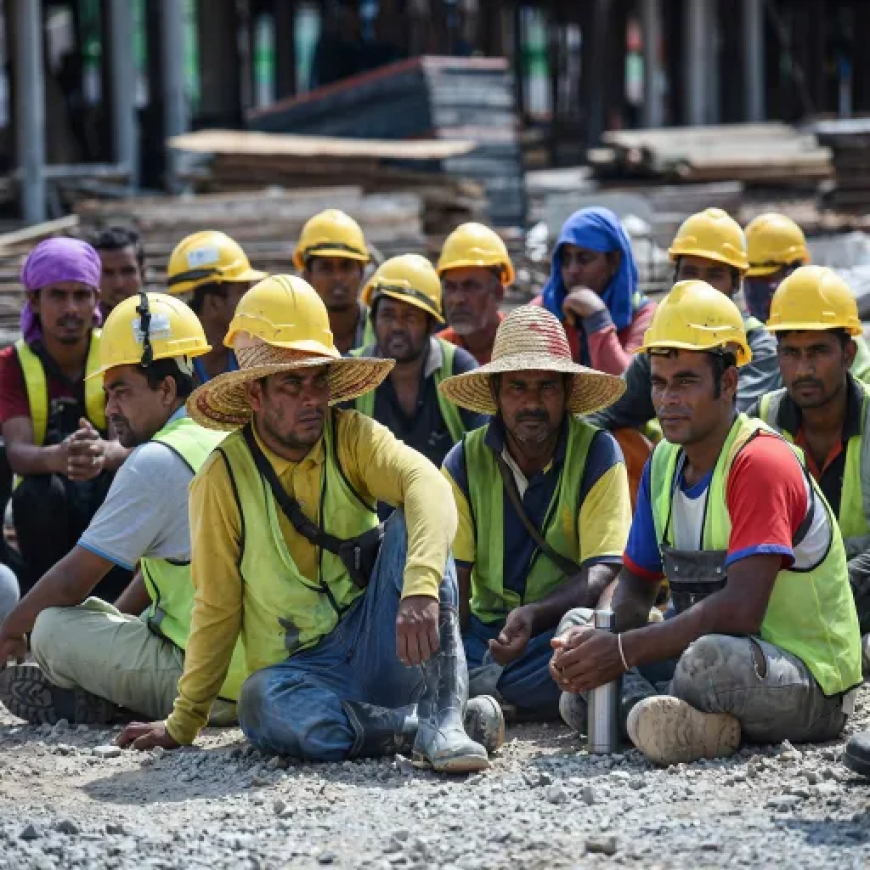
When we focus on the key enablers of our economy, then remittances undoubtedly play front and center. More than 50% of our total remittance inflow comes from Middle Eastern countries, according to data from the Bangladesh Bank. We have over five million of our people now working in Saudi Arabia, the UAE, Oman, Qatar, Kuwait, Jordan, and Lebanon. This money earned by our workers abroad pays our import bills, keeps some stability in our foreign exchange reserves, and provides life to the rural economy of the country.
Should these nations be affected by the Iran-Israel war, this vast job force will be in immediate jeopardy. At its core the Middle Eastern economy is an oil-based one. An extended war would not only upset the oil market, but could also disrupt development projects. Our workers, mainly in construction, cleaning and other blue-collar professions, are thus at high risk of mass layoffs.
Increasing Conflict and Threats to Expat Lives
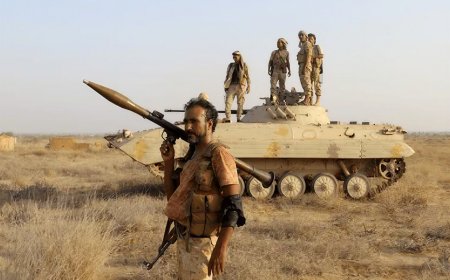
In any war, migrant workers are the most vulnerable demographic. The heat of the current tension is already being felt across Syria’s borders in Lebanon and Jordan.
The safety risks posed to our workers in these countries are complex. In times of war, the local citizens are the only ones who have access to bunkers and safe shelters while migrant workers have nothing. Many of our workers are in remote areas where the emergency protocols don’t reach.
Moreover, many Middle Eastern nations are still employing the sponsorship system, which makes a worker’s legal status completely dependent upon his or her employer. If our employers pack up and leave for the cities, we’ll have our workers stranded there -- without passports or work permits. Cut off from food and communication lines, they may confront an unthinkable humanitarian disaster.
Lessons We Need to Learn
History informs us of a bitter lesson: Whenever the Middle East goes off in flames, we pay a heavy price. During the Gulf War of 1990, we saw thousands of our workers when they were compelled to come back from Kuwait and Iraq destitute.
Later, in 2011, during the civil war in Libya, we had to evacuate and repatriate nearly 36,000 Bangladeshis.
More recently, we saw thousands of our expatriates losing their jobs and returning home in distress during the COVID-19 pandemic.
It is time we learn from these past experiences. But if the current conflict escalates into a regional war, it would be far more destructive. For a resource-constrained country like ours, the simultaneous evacuation of millions of people is simply a staggering logistical undertaking.
Shock to the Macroeconomy
The safety of our migrant workers is crucial and any disruption will immediately affect the inflow of remittances. But the banks cannot function normally during wartime, this means that no worker can send money to us even if he wants. Moreover, if they lose their jobs and go home, this crucial source of income would dry up forever.
We are already struggling to cope with the pressures of inflation and depleting foreign exchange reserves. If remittances suddenly drop, our cost of imports will go up exponentially, especially that of fuel oil and essential food items. It is therefore our hope that the cost of living for the average citizen in this country does not and cannot become too difficult a burden for us to bear as a people.
Contingency Plan
Having a well-defined and effective contingency plan is the most important precondition to handle any disaster.
Before the crisis gets worse, we need to take some urgent steps:
Start the conversation: We need to put our embassies in the Middle Eastern countries on a red alert right now. We should also activate 24/7 crisis management cells and keep backchannels of diplomacy open to secure the legal and physical safety of our personnel.
Emergency evacuation fund: A massive logistical operation will be necessary to safely repatriate hundreds of thousands of our citizens. We must put in place an emergency evacuation fund and plan safe passages now.
Coordination: Humanitarian crisis of such a large scale cannot be tackled alone. We should urgently reach out to the UN, IOM and ILO. We will greatly need their aid.
Free flow of information: Rumors may do more damage than the war itself. It is our job to share accurate and timely information with anxious families who are sitting at home.
In the Long Run
This crisis exposes us to an old-fashioned truth of the matter: Our dependence on one region for remittances is a naive risk. That is why we are left with no option but to diversify our workforce.
We need to diversify away from the Middle East, and seek out new customers in East Asia, Europe and Africa. We have tried that for far too long and we need to switch from exporting unskilled manpower to making our national priority the goal of creating a technically capable manpower.
At the same time, a complete approach must be framed for the economic rehabilitation of our workers who have been travesty-driven to return home. We need to give them soft loans and entrepreneurial training. We need to make sure that we see these returning workers not as a burden, but as our best human resource.
The war between Iran and Israel might be an existential clash for the countries of the Middle East, but as far as we are concerned, it is a death knell. Our “remittance warriors” abroad don’t simply wire foreign currency; they’re keeping our economy afloat. Today, as the dark clouds of war loom, protecting them must be our greatest national priority.
Crisis does not come with any notice but if we are prepared, then the damage can be reduced tremendously. We need to come on the track now. Inter-ministerial coordination, diplomatic foresight, and a proper contingency plan are all we have to save the lives of our expatriates and shield our economy.
Fail to wake up now and all we are left with is regret.
Md Shihab Uddin is a volunteer for UNICEF Bangladesh and is a legal researcher and student of Folklore and Social Development Studies at the University of Rajshahi.