



























































Time for Some Tough Love
Failure to act appropriately will have catastrophic consequences, sooner rather than later. The AL had 15 years before their malgovernance caught up with them. The current government won't have 15 months.

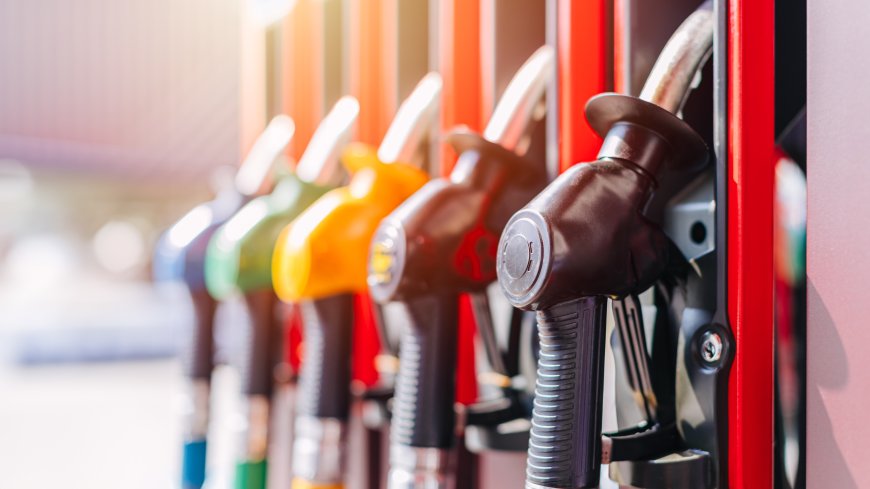
The current fuel crisis is an opportunity in disguise for the government.
In policy circles one often hears experts and bien pensants discuss the “political economy,” which really is just a fancy way of talking about which economic decisions are politically feasible.
Oddly, perhaps, one would have thought that this was a problem that all governments face, so why it would present apparently unique challenges in Bangladesh remains a mystery.
Indeed, given the fact that most Bangladeshi governments do not seem to care too much for public opinion one wonders why they therefore do not more often make policy decisions which while unpopular would without doubt be beneficial.
On the one hand Bangladeshi governments typically rule with an authoritarian high-handedness, while on the other they rarely if ever take advantage of their power to push through legislation and regulations that would actually advance the country.
For the long-suffering Bangladeshi people it is the worst of both worlds. Neither do we get a government that listens to us, nor do we get one that is willing to take the political hit that comes with doing the smart thing.
Which is how we get saddled with things like energy subsidies that benefit the middle classes and above but are paid for by all Bangladeshis, in effect having those who do not have access to fuel subsidizing those who do.
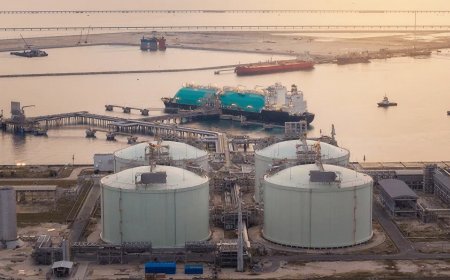
Which brings us to the current crisis. The fuel situation is unsustainable. The obvious solution for the government is to end the subsidy for octane and petrol and make consumers pay what it costs.
This would be unpopular but would have a number of salutary effects.
In the first place, it would save the treasury billions of taka. In the second, it would lower the demand for fuel which would in turn help reduce our import bill during these troubled times.
In order to minimize the negative impact on the working poor, the subsidy for diesel could be retained, though in time we may need to even consider bringing the price of diesel into line with its market cost.
It is true that higher fuel prices can ripple through the economy, raising prices for everything else. But simply subsidizing these prices at an unsustainable level is not the solution, and letting the market work to reduce the demand for fuel would also have many knock on beneficial effects for the everyday Bangladeshi, from cleaner air to less congested roads.
The greater lesson here is that we need a government that is willing to take the tough decisions that will benefit the country as a whole and not continue to be held hostage by powerful or influential coteries or sections of the society.
Whether it is the price of fuel or interest rates or industrial policy or zoning regulations, Bangladeshi governments routinely put the interests of the few ahead of the interests of the many.
Because, make no mistake, whenever there is a poor policy or regulation or piece of legislation in place, a big part of the puzzle is that someone somewhere is reaping the benefit.
This is what has to change.
We need a government that understands that continuing to accommodate the small minority of beneficiaries of lousy policy at the expense of the general public is a recipe for disaster.
Even more importantly, we need a government that understands that sometimes doing the right thing may prove unpopular across the board, but that it needs to have the steadiness of purpose to see it through, knowing that in the long run both they and the country will emerge the better for it.
The price of fuel is one such instance. There is a simple, obvious solution that will ultimately help the people far more than it will hurt, that is available to the government.
If they don’t seize this opportunity with boldness, the negative impact on the economy and therefore for the government itself will far outweigh any hit they will take in the immediate term.
Failure to act appropriately will have catastrophic consequences, sooner rather than later.
The AL had 15 years before their malgovernance caught up with them. The current government won't have 15 months.
Zafar Sobhan is the Editor of the weekly Counterpoint.