
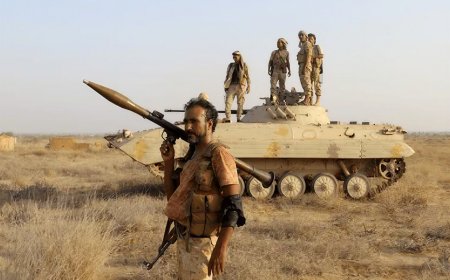




























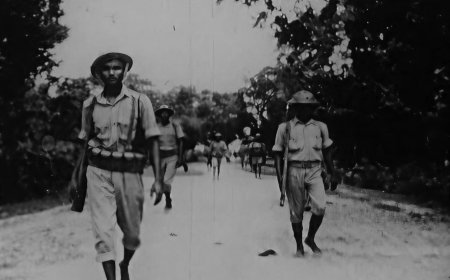











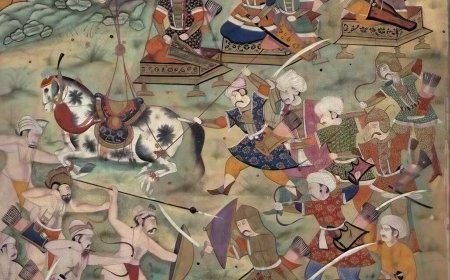


























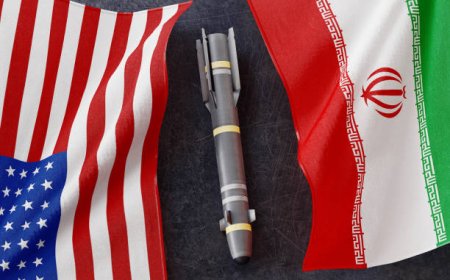
Instead of a single battlefield, the United States could find itself managing simultaneous crises across several countries, dramatically increasing the complexity and cost of military operations. Recent history offers sobering lessons about the limits of military power in such environments.
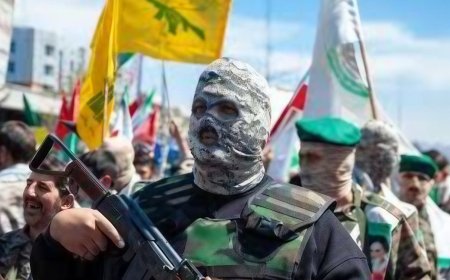
Bangladesh deserves better than slogan-driven geopolitics. It deserves journalism that can critique American power without romanticizing Iranian power, question Israeli policy without indulging conspiracy, and evaluate Russia, China, or Pakistan without reflexive alignment.
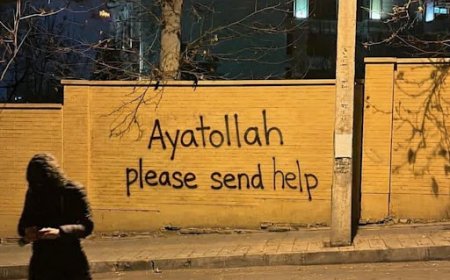
We have a choice: To be passive consumers of the spectacle, or active collaborators in writing a different ending -- one based not on fear and division, but on the unbreakable, transnational solidarity of those who believe, against all odds.
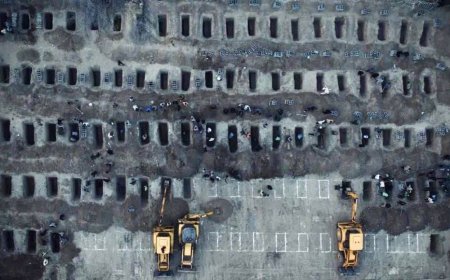
It is often said that there is no personal loss to the architects of war. That statement may be rhetorically exaggerated, yet it captures an essential imbalance. Decision-makers operate at a distance from the battlefield. Their families are rarely in the line of fire.

What we may be witnessing is not the eruption of uncontrolled conflict -- but a controlled application of force designed to close a 30-year nuclear standoff. History will not judge this moment by the explosions. It will judge it by what follows them.
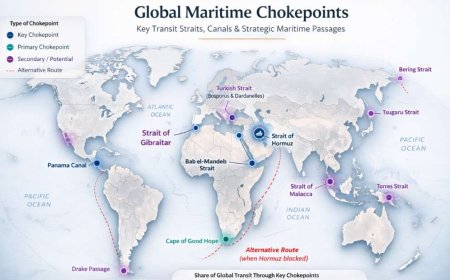
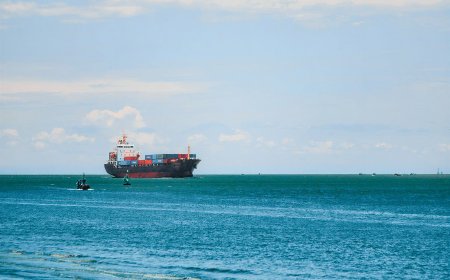
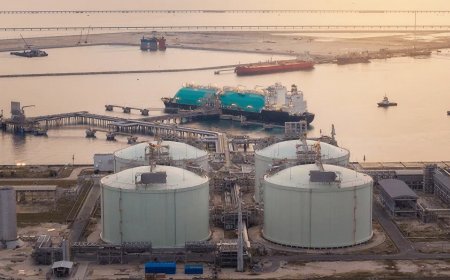
For Bangladesh, the closure of the Strait of Hormuz would not represent a diplomatic crisis with Tehran. It would represent a market crisis. The country’s exposure lies in its increasing dependence on globally traded LNG without deep diversification, strategic reserves, or substantial domestic alternatives.
Emerging markets ETFs’ rally has been somewhat of a surprise: They own shares of companies in less-developed nations. For decades, these stocks took a backseat with investors who would rather pay up for shares of giant companies in developed nations like the U.S. But now, many factors are working in emerging markets’ favor.
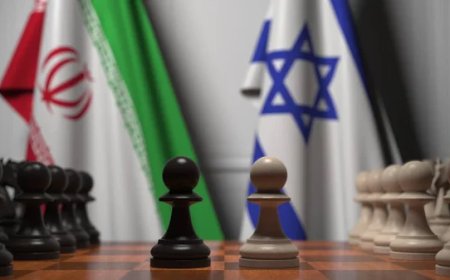
This is not peace. And it is not war. It is the controlled demolition of the Sykes-Picot agreement in favour of an integrated Middle East. Iran is reshaping its internal power structure and regional posture. The Middle East is not descending into chaos. It is being reorganized.
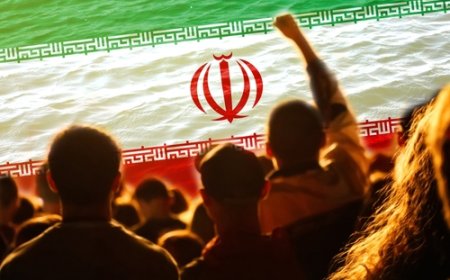
Echoes of the 1979 Islamic Revolution are loud and clear, except this time the ayatollahs are on the receiving end. To save this nation from calamity, it’s time for Khamenei to leave.