





























































Iran to Bengal: Religion, Culture, Beauty, and Cuisine
The aesthetics, love of poetry, the beauty of roses, love of delicious food, and love and respect for religion and culture are ideas and practices of the subcontinent, particularly Bengal, that are credited to Iran.

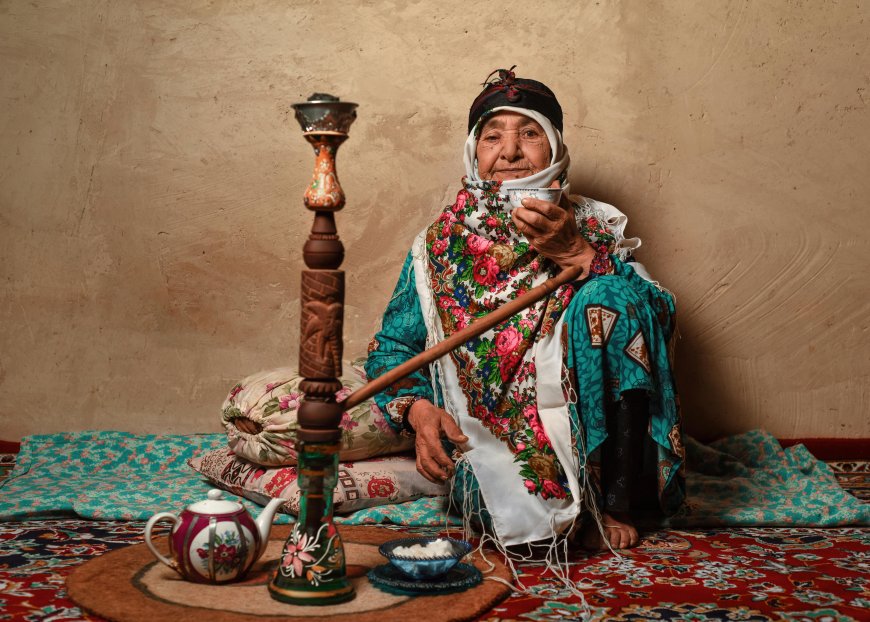
Iran drew global attention for its oil and potential nuclear power, as well as for its system of governance, inherited from its rich civilization and gradually modified as the modern world necessitated. Iran doesn’t boast of its oil or regime as much as it does of its beauty, from gardens of flowers to the world-famous fish, spices, and cuisine, and of its religious influence across continents.
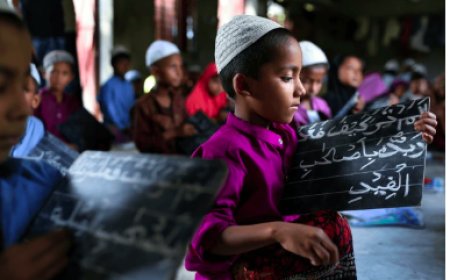
Like many parts of the world, the Indian subcontinent and Bengal have been influenced by Iranian-influenced religions, and so too have Iranian cuisine and the garden of roses influenced them. The Avesta of Zoroastrianism is believed to have influenced the writing of the Hindu scripture, the Ved, and, similarly, the Sufi doctrine left an enormous influence on the spread of Islam in the subcontinent.
From Puthi to Gitanjali, from naming Gulistan and Gulshan to Shalimar and Shalimarbagh, and from Gazhal to Vajan, all have their roots in Iran, in the beauty of poetry, flowers, and religious chanting. The subcontinent's skill in gardening roses, farming delicate spices like saffron, and using herbs for medicinal purposes also has its roots in Iran.
The spices from Iran, mixed with those of the subcontinent, have produced many delicious, world-famous cuisines. As much as Firdaus, Hafiz, Sadi, Omar Khayyam, and Rumi are read, no Western literature has found that depth in literature study and writing of poetry in Bengal.
The Red Gold, as it is called, is saffron, the most precious spice in the world. It is also popularly known as a healthy flower and the king of spices. The production of saffron requires not only suitable, fertile land but also the delicate production skills that only Iranian farmers possess. Saffron had been produced in the foothills of the Kermanshah and Hamadan provinces of Iran before CE, and Iran is known to have spread the cultivation of this plant beyond its borders.
But Iran alone produces 90% of this saffron; Afghanistan, Morocco, Spain, Greece, and India share the remaining 10%. Harvesting saffron is labor-intensive, and, as usual, Iranian farmers are the most skilled at producing and harvesting it. The final production of saffron from the plantation takes almost a whole year; it is sown in the autumn, matures in the winter, and is harvested only in the spring. Apart from using it as a spice, it is also used in various medicines.
The old Arab physicians, such as Al Raji, Ibn Sina, and Al Biruni, were known to have shown how to use saffron as medicine. The price of one kilogram of saffron is roughly $2,000, and the higher price is due to the fact that one kilogram of saffron is produced from nearly 150,000 flowers. The market valuation of these expensive spices is about 1.5 to 2 billion dollars. Iran alone produces around 300 tons annually and earns about $300 million.
Iran is world-famous for producing roses, especially its Damask rose, a species known for its fragrance and medicinal qualities. Iran supplies around 90% of the world's rose production. Kashan province in Iran is the main production hub for roses, but there is also production in Fars province.
A seminal work of Iranian literature is ‘Gulistan’ (‘Rose Garden’) by the poet Sadi of Shiraz, which narrates a journey through a beautiful rose garden. Unfortunately, a walk along the road around Gulistan and Gulshan, an Iranian synonym of Rose Garden in Dhaka, finds only crowds, the sounds of horns, and the smells of Garbage, not the fragrance of roses anymore.
Unlike the oil industry, there is barely any mention of Iran's fish industry, which produces 1/5 to 2 million tons of fish annually and exports half a billion dollars. The most famous of the fish Industry is Caviar, popularly known as the black gold. It is the eggs of the sturgeon fish; Iran calls it caviar, too, and it is the most expensive food in the world.
These eggs are famous not only for their enormous energy but also for their deliciousness and fragrance. This fish is found in a few other seas but is most abundant in the Caspian Sea of Iran, accounting for more than 90% of total availability. The annual production of Caviar is roughly 20 to 30 Tons, and each kilogram of these eggs sells for 35,000 to 40,000 dollars for export to Europe and many other parts of the world.
Iran has long been a haven for the culinary arts. Iran isn’t famous for its delicious food, but its culinary traditions have also influenced the cuisines of Turkey, Russia, many Central Asian countries, and the subcontinent. Ash-e-Anar is a famous soup made with minced meat and pomegranate seeds, and is served mostly in winter.
Obgosht and Khoresht are famous Iranian stews made with meat from sheep, chicken, or duck, and mixed with walnuts, tomatoes, and pomegranate molasses. Khoresht-e-Fasenjan, Gheimeh, and Bademjan are among Iran's famous stews. Keimeh Bademjan is also a kind of stew cooked with chickpeas, tomatoes, potatoes, and eggplants.
Besides other stews, Khorest-e-karafs is also famous for its unique combination of tender meat, fragrant herbs, and celery. The Pilav, popularly known in the subcontinent as Polaw, is a rice dish cooked with rice, vegetables, chicken, or other meats, and served at ceremonial events and in restaurants worldwide. Most importantly, Kebab, Ghormeh, and Kofte, which are cooked and available worldwide, have their origins in Iran.
Kebab Kubideh is the most famous kebab in Iran, served in all Iranian restaurants, and is cooked with beef or lamb. Kofteh, the meatball found in every retail shop, is the second most famous food of Iran. The eggplant kebab, also known as Mirza Kashemi, is popular and is made by mixing eggplant, tomato, and eggs, then serving it as a kebab.
The famous verses of Hafiz’s Divana include the line, ‘The sweet-speaking parrots of India will be enchanted by this Persian sugar traveling to Bengal’. Hafiz symbolized Persian sugar as the sweetness of Persian poetry and language, while the ‘Parrots of India’ represented eloquent speakers and poetry lovers.
The aesthetics, love of poetry, the beauty of roses, love of delicious food, and love and respect for religion and culture are ideas and practices of the subcontinent, particularly Bengal, that are credited to Iran.
The success of the British Empire in converting the subcontinent into its sphere of influence was reflected in the change of the official language from Farsi to English, which undermined the subcontinent's strong cultural heritage. Though less pronounced in North India, Iran's impact on Bengal's culture and religion remains immense.
The five famous religious terms used in Bengali, such as Khoda, Namaj, Roja, Behest, and Dojokh, are Persian in origin. Dhaka still has the two most important areas, Gulistan and Gulshan, which have retained their names since Mughal rule in Bengal. Rose, Kebab, Koftah, Polaw, and Korma are items for any kind of celebration, from a marriage to a cultural show, and are often found in every affluent house.
Brigadier General AF Jaglul Ahmed (Retd) is a regular contributor to national dailies. He can be reached at [email protected].