


































































The Mecca Agreement will be remembered less as a wartime alliance against a weakened Iran and more as the founding document of a new, durable axis within the Muslim world, one whose rivalries with Israel, the UAE and India will define regional politics for a generation.
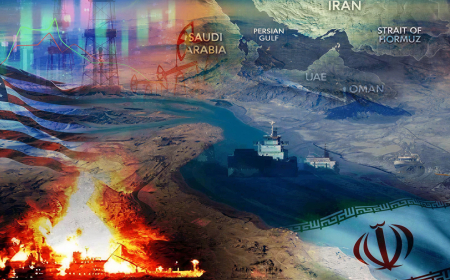
Destruction is useful only when it contributes to the political end. If overwhelming military force cannot produce that end at an acceptable cost, battlefield superiority becomes strategically insufficient.
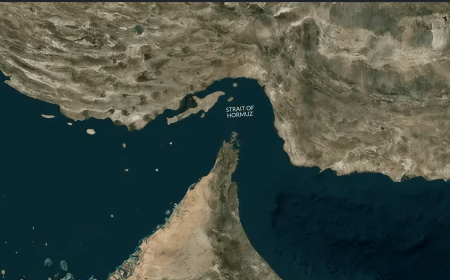
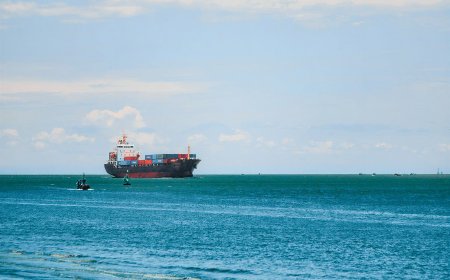
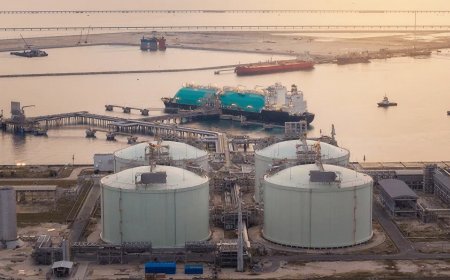
The latest ceasefire between the United States and Iran has failed to restore confidence in the Strait of Hormuz, exposing the world's continued dependence on a chokepoint that remains vulnerable to disruption.
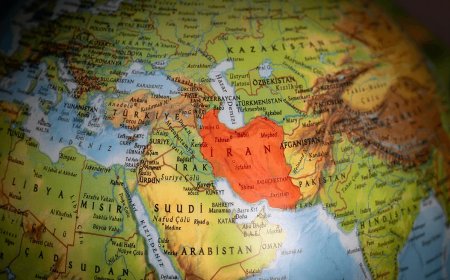
The ceasefire has created an opportunity. Whether the parties seize it will depend not only on the negotiators in the room but also on political leaders willing to accept outcomes short of their maximalist positions. Transforming that opportunity into lasting peace remains the region's greatest challenge.
The Strait of Hormuz is more than a regional flashpoint; it is the definitive laboratory for the 21st century maritime warfare.
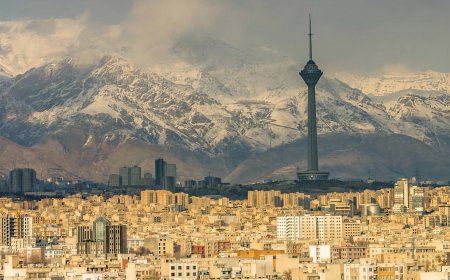
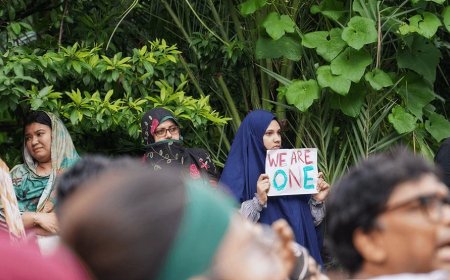
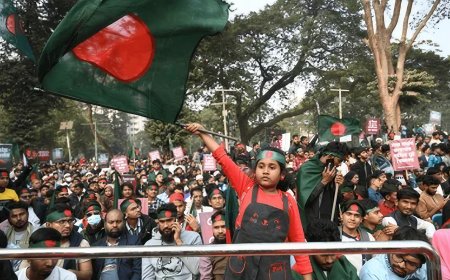
A comparison between Bangladesh and Iran may not be pragmatic, given the vast differences in their rich historical heritages. What is comparable is the repeated dedication and courage shown by the people of both nations in standing up for their respective countries.
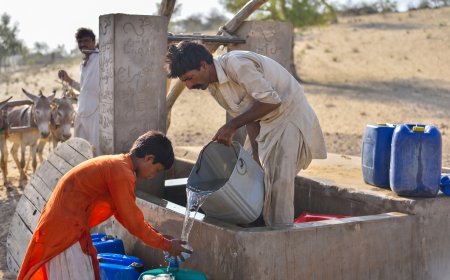
In the brutal, transactional mechanics of international survival, Pakistan does not need to plead for a seat at the diplomatic table; the raw architecture of global crises ensures that the table cannot be built without it.
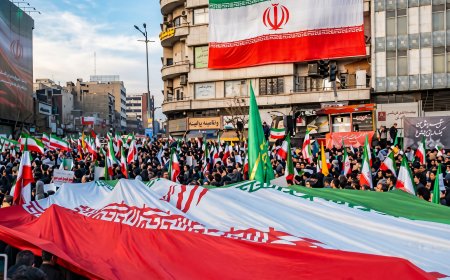
A nation fighting for its survival generates a depth of will that a nation fighting for its credibility simply cannot match.

The aesthetics, love of poetry, the beauty of roses, love of delicious food, and love and respect for religion and culture are ideas and practices of the subcontinent, particularly Bengal, that are credited to Iran.
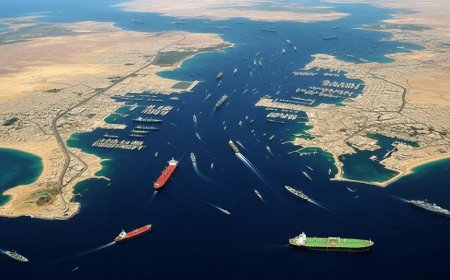
For Bangladesh and other maritime-dependent nations, the lesson is clear. Security can no longer be conceived in predominantly territorial terms. It must be understood as a function of connectivity, resilience, and access -- all of which are fundamentally maritime.
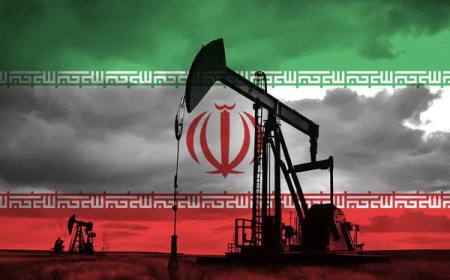
If Iran is honorably invited back into the financial system its 90 million refined and energetic people, backed by huge oil wealth, will be able to make the greatest possible contribution to strengthening not only the whole world economy but specifically to saving the US currency.
When a nation stands strong to protect its land from aggression, facing the threat of annihilation solely to preserve the dignity of its geography and people, its model of governance can’t align with any universal model for the sake of others.
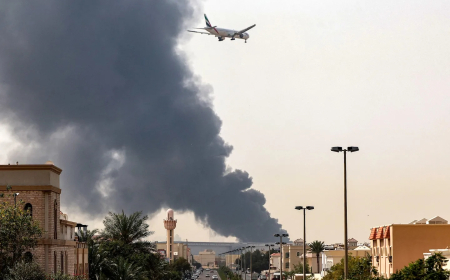
Iran and the UAE are bound by historic trade and migration networks and, more recently, by Dubai's role as a key hub for Iran to the global economy. Iranian missiles have shattered those ties.
The final irony of our current moment is that while the world watches the dramatic surface conflicts and the crises that dominate headlines and social media feeds, the deeper system is already adjusting, already adapting, already moving towards a different configuration.
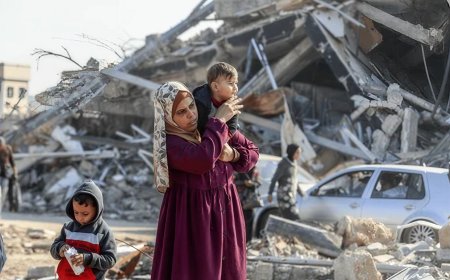
For civilians, of course, the distinction between pause and resolution may seem academic. The absence of immediate violence is a tangible relief. But from a structural perspective, the conditions that produced the war remain unchanged.
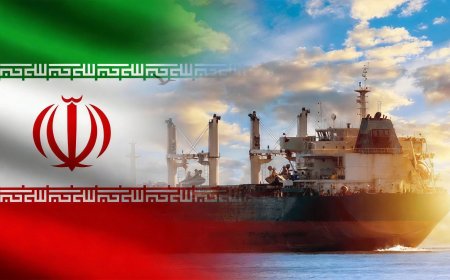
The strategic balance of the world has changed because from this point onwards. Future crises will be shaped by deterrence from multiple directions. The lesson from Iran’s victory is nothing short of a paradigm shift