





















































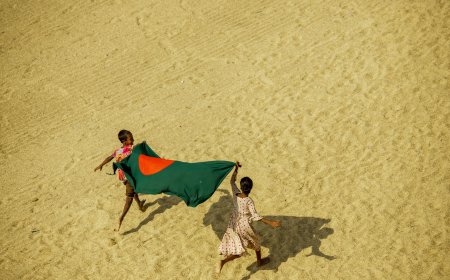
Our historic task is not merely to change who governs Bangladesh, but to change how Bangladesh is governed -- and how we, as citizens, understand our responsibilities to one another and to the nation
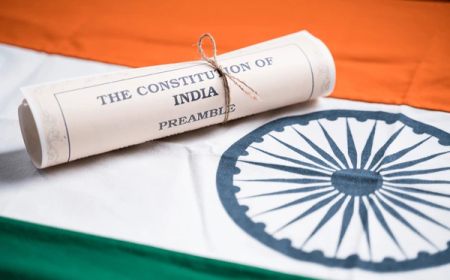
Societies often come to believe that electoral victories are all that is needed to save democracy, when in fact they end up undermining constitutional democracy through their electoral triumphs.
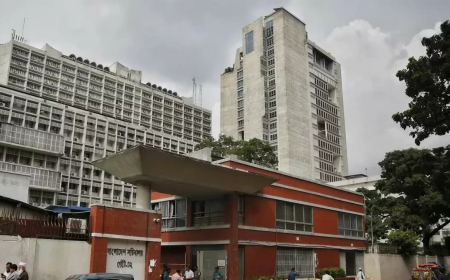
Democracy should not borrow the language of rulers to describe public servants.
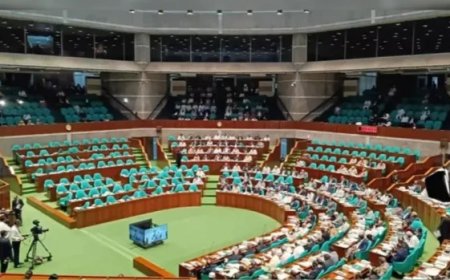
In functional democracies, losers succeed by diagnosing the situation precisely and organizing methodically. The goal is to defend the uncertainty of the next election. If an opposition misdiagnoses a policy defeat as a regime collapse, it loses the ability to speak to a combination of public segments.
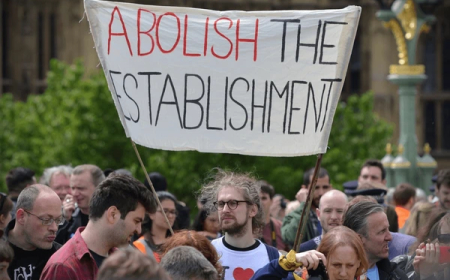
Whether a party is “Center-Left” or “Right-Wing” matters less to the modern voter than whether that party appears capable of breaking the system to improve the average person’s life.
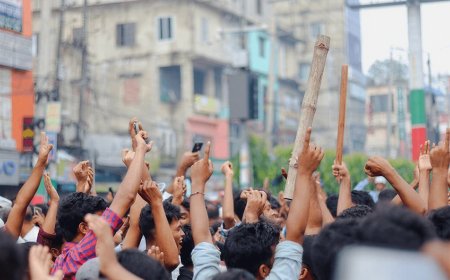
BNP must ensure that the caretaker government system, now revived, is built to last, not as a tool of partisan advantage but as the institutional guarantee that, now and going forward, no government, can close the door on the voters' right to choose their leaders.
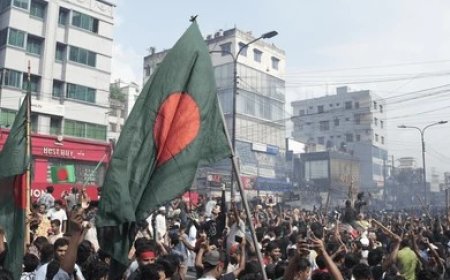
A dual crisis of legitimacy in the opposition and civil society is creating a “twin vacuum” that weakens democratic accountability in Bangladesh
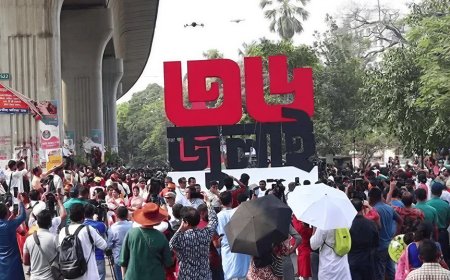
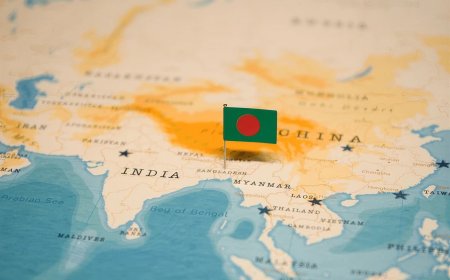
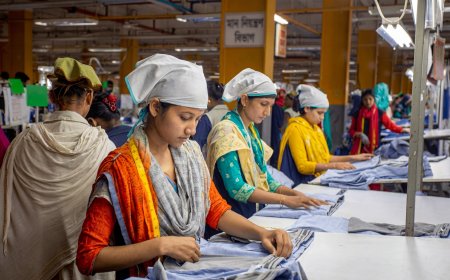
Bangladeshis need to understand who they are and develop the self-confidence necessary to chart their future destiny. Bangladesh is the eighth-largest country in the world by population, it is the 26th-largest economy by GDP-PPP at approximately $1.9 trillion, and one of South Asia's fastest-growing economies -- with GDP per capita projected to reach $10,850 by the end of 2026.

Ensuring accountability is the key, and a state cannot design a system, cannot create an institutional design where the only protection is a party's or an individual’s goodwill. A state’s guiding operational principle cannot be to be ruled by the angels.
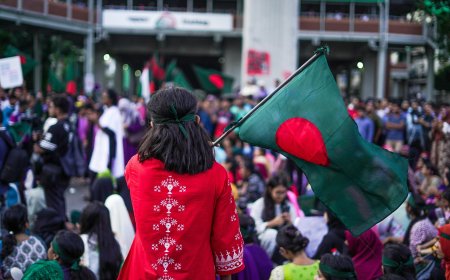
A stronger Bangladesh will not emerge overnight. But with patriotism and civility, it will rise -- steadily, confidently, and together. To the conscious citizens of Bangladesh: This is your moment. Do not wait for perfect leaders or ideal conditions. Be the example. Act locally. Think nationally. Stand firmly for honesty and integrity, nurture skills, and practise good manners persistently.
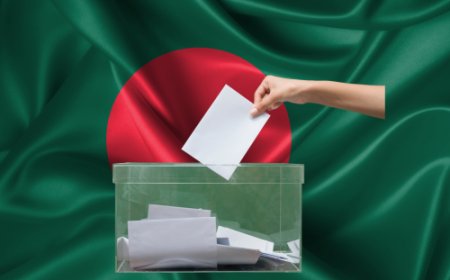
The question is not whether this election will solve all of Bangladesh’s problems, it will not. The real question is whether it can reopen a democratic pathway that has long been blocked.

At the end of the day, the final test of this government is not whether the referendum passes or not, but whether they have been able to hold a credible election and whether the referendum process itself was managed without a hitch.

As Bangladesh prepares for the long-awaited national election, it is important to remember that strengthening democracy and building peace on the foundation of collective amnesia will be a disaster for our nation.
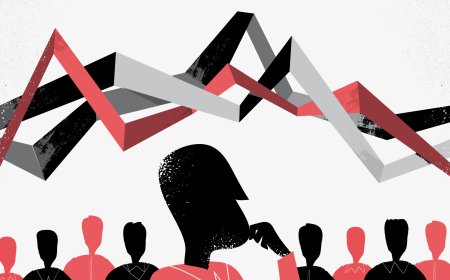
What if Bangladesh's problem isn't the divides themselves? Secular versus religious. Bengali versus Muslim. Shahbag versus Shapla. Aspiration versus stagnation. What if the real problem is our inability to tolerate disagreement at all?

Until 2019, people in the country used to say the country was on the right track. After 2020, there has been a sharp decline. Recently, 53% of people now say the country is running well again.

Here is the cruel asymmetry that exposes the game. Hurt religious sentiment is always, unfailingly, something felt by the majority or by those who claim to speak in its name. No minority, no freethinker, no ordinary citizen can ever demand accountability for the trampling of their own emotions.