
































































The country doesn’t need to own its AI stack; the economics rule that out. It needs people who can keep it running on its own terms. Sovereignty is not what you own. It is what still works when someone else changes their mind.

Bangladesh survived many mistakes during the past several decades because growth was strong enough to absorb them. The next decade may be different. The countries that prosper in this new world will not necessarily be those with the smartest experts.

If Amodei, Altman, and Musk actually believe what they're saying about the stakes, the test isn't whether they write an essay or post a tweet. It's whether they support external, binding, independently enforced rules that apply to everyone equally, including the possibility that a genuinely safer path is a slower, smaller AI industry than the one currently raising trillion-dollar valuations.

History is filled with lessons of how not to escalate wars and perhaps even avoid them; we have now known for decades what we need to do to limit and perhaps even reverse anthropogenic climate change; and the supernova of AI can be regulated to fit and work for human dignity and agency
History rarely tells countries in advance that the rules of economic advantage are being rewritten. This time, the warning is already visible. Bangladesh cannot recover the technological revolutions it entered late. But it can still decide whether it arrives late to this one.

The future will depend not simply on how intelligent machines become, but on whether society remains committed to nurturing emotionally healthy, critically thoughtful, and socially connected human beings.
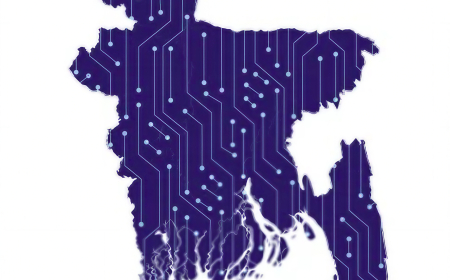
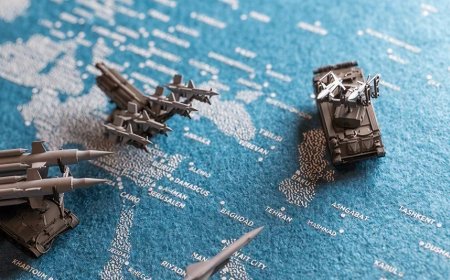
Why should this matter to Bangladeshi readers? The future of high-performance computing will likely be led by the United States and China.

The foundations of a prosperous nation are not built in the cloud. They are built on the ground, in plants and workshops and export zones, by people who make things the world needs. It is past time to look down from the screen and begin.

In many ways, the deployment of AI-controlled traffic signals represents a test of whether Dhaka is prepared to embrace smarter urban governance.

The client eyes you across the desk, not the screen. Efficiency kneels to trust; betray it, and no algorithm absolves. Guard that human bond fiercely: Our future depends on it.

Who is the Facebook or Instagram of this era? Which AI platforms are being deployed into children’s bedrooms, classrooms and social lives without full transparency about internal research? Which companies are already measuring how certain prompts, filters or recommendation engines affect adolescent self-image, loneliness, or compulsive use?

If Bangladesh treats artificial intelligence simply as another digital tool, it risks falling behind in a world where advantage increasingly rests on capability and commodified intelligence rather than labour alone.

From Victorian automata to today’s AI girlfriend apps, we have sought to mechanize intimacy, to distill love into algorithms. This musing traces that arc, using Joi as a lodestar to navigate the shadows of desire, capitalism, and digital isolation.

Success depends on three commitments that cannot be deferred: Speed. Visible, funded action in year one. Not plans for action. Action. Resources. Specific, budgeted commitments, not proposals

The crisis of politics is not its end, but its hollowing. The machinery we inherited was not designed to govern algorithmic power or planetary limits. Recognizing this is not defeatism but intellectual honesty.

I’m not against using AI, I never was. I just want you to use it cautiously. Because the more you are replacing AI with your own mind, the more it will take space in your soul. If we keep asking AI solutions for every simple problem, our mind will become too fragile to face challenges.