

















































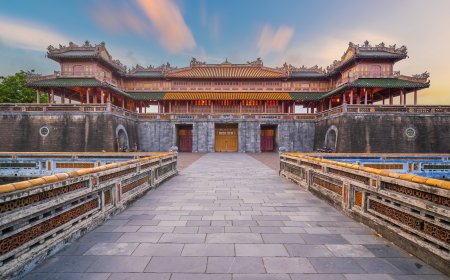
Keeping India and Pakistan as the main mirrors will always make Bangladesh look respectable. but adding Vietnam to the frame as a benchmark is more meaningful.
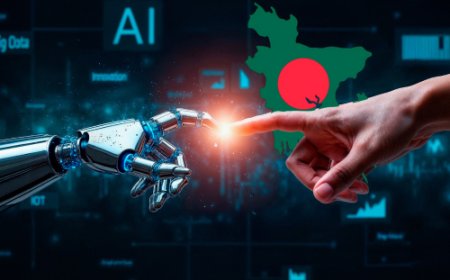
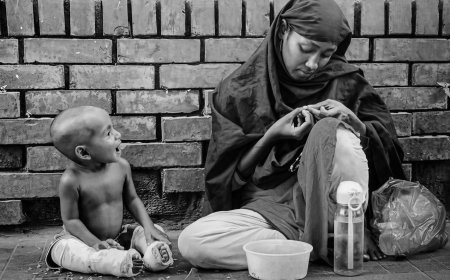
AI systems don't operate in a vacuum. They operate on people and amplify the society beneath them. That brings us to the uncomfortable question at the heart of Bangladesh's AI future: if we deploy these systems on top of our existing inequalities, do we fix them or automate them?

The real question is not why Tarique Rahman has not returned yet. The real question is whether the nation will stay focused on restoring democracy rather than chasing distractions.
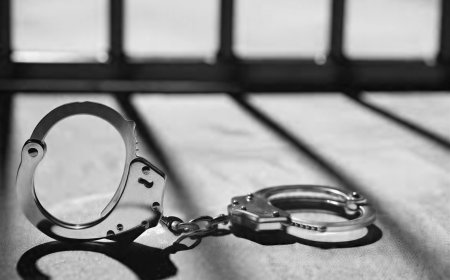
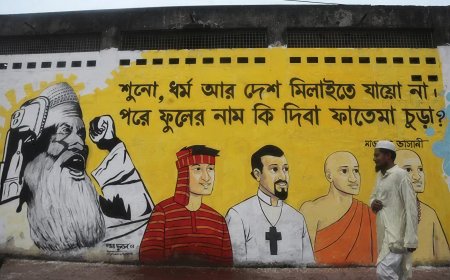
The arrest of Baul singer Abul Sarkar exposes a deeper struggle over who gets to define Bangladesh’s cultural and religious identity, portraying a growing state-backed exclusion of syncretic and minority traditions from the national narrative.

Political life becomes a stage where guilt is assigned by association, not by evidence.

A policy without execution mechanisms is not a plan. It is a press release.

Until 2019, people in the country used to say the country was on the right track. After 2020, there has been a sharp decline. Recently, 53% of people now say the country is running well again.

True judicial independence cannot rest on the discretion of one office, no matter how elevated.
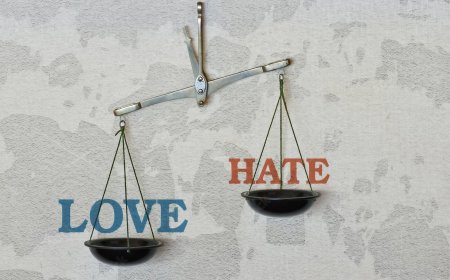
This emotional polarity is not irrational -- it is Bangladesh rediscovering its moral compass. It is the people reclaiming ownership of their history, their pride, and their right to choose who deserves their trust: Not through coercion, but through character.

Can an Approver still be an accused in the Hasina case? It is difficult to defend the proposition that a person who has been formally pardoned, can remain in law an accused for the same conduct.

Here is the cruel asymmetry that exposes the game. Hurt religious sentiment is always, unfailingly, something felt by the majority or by those who claim to speak in its name. No minority, no freethinker, no ordinary citizen can ever demand accountability for the trampling of their own emotions.
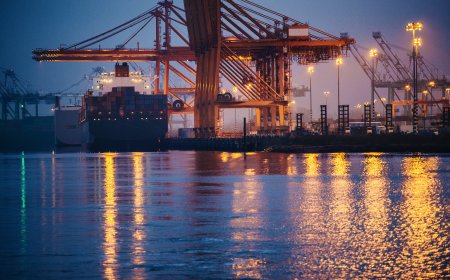
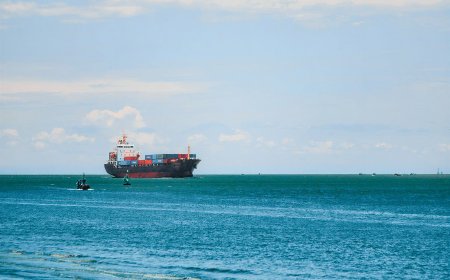
The development of Chittagong Port is more than just a project; it is the key to Bangladesh's next wave of economic growth. If we cannot raise the FDI-GDP ratio from 0.3% to 2.5%, the ambition of becoming a trillion-dollar economy will stay just a dream.
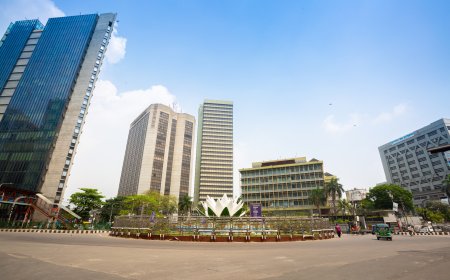
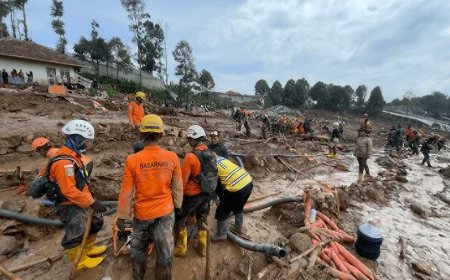
Dhaka’s earthquake threat lies in poor construction, not geology. We need to be concerned about and plan soberly for what would happen if a 6.0 quake hits instead of catastrophizing doomsday scenarios.

In a few words of thanks, the ICT judges suggest partiality towards the prosecution side

We do not need to be perfect voters, and we do not need to know every answer. In a transitional period, what matters is the willingness to participate and the courage to relearn what authoritarianism tried to take away: that our voices count and that democracy is a skill we can rebuild together.
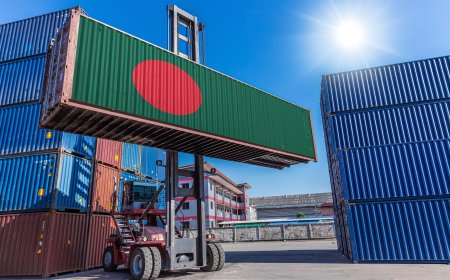
The reality in Chittagong is: three days at the outer anchorage, indefinite waiting inside the port for a berth, one week to discharge using small lighter vessels, discharge stops if the sea is rough -- all added up, instead of 2 days, in some cases it is taking 25 days.