

























































A Tale of Two Leaders
This emotional polarity is not irrational -- it is Bangladesh rediscovering its moral compass. It is the people reclaiming ownership of their history, their pride, and their right to choose who deserves their trust: Not through coercion, but through character.
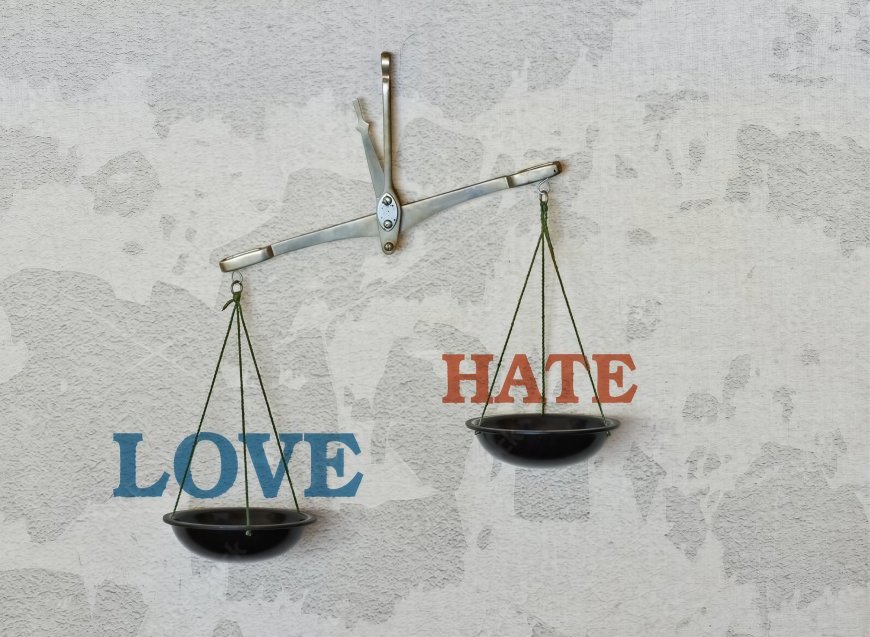
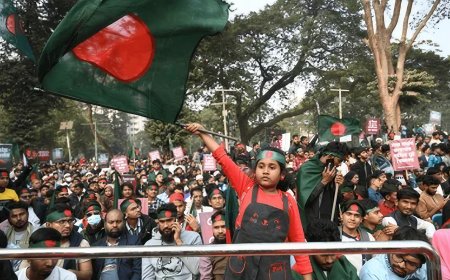
Over the past 10 days, I have encountered a sentiment across Bangladesh that is as striking as it is revealing: The nation appears united in two profoundly emotional, yet seemingly opposing, impulses.
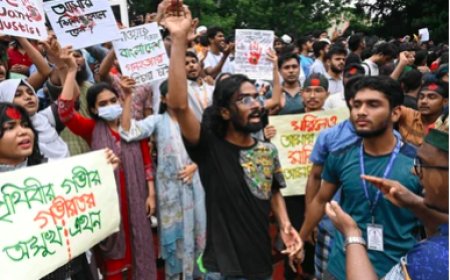
On the one hand, there is an unmistakable and overwhelming demand for accountability for former Prime Minister Sheikh Hasina.
Across classes, generations, and regions, people speak with a moral certainty that the abuses, disappearances, corruption, and violence inflicted upon Bangladeshi citizens during the 2009-2024 period constitute crimes that cannot go unanswered.
For many, this is not about political rivalry -- it is about justice, dignity, and the restoration of a moral order they feel was violated. The call for the harshest punishment is, in their minds, a reflection of the scale of pain endured.
And yet, at the very same moment, in the last few days, those same people are offering heartfelt prayers for former Prime Minister Begum Khaleda Zia, since her latest illness was revealed.
Despite leaving office nearly two decades ago in 2006, Khaleda continues to command a unique emotional space in the hearts of millions.
The sincerity of their prayers: That she recovers, regains strength, and lives long; reflects not simply nostalgia, but a deeply rooted belief that she represents something bigger than politics: A symbol of resilience, motherhood, and national memory.
This juxtaposition tells us something profound about Bangladesh’s soul.
It is not merely tired of tyranny; it yearns for leaders who feel human, who bleed when the nation bleeds, who rise and fall with its people.
Khaleda Zia occupies this emotional archetype: Not just a political figure, but a matriarch of the republic.
The rejection of Sheikh Hasina is not just a rejection of an individual: It is a rejection of a period marked, in public perception, by fear, arrogance, and the systematic suffocation of national spirit.
The fact that a leader who left office in 2006 still evokes love, compassion, and loyalty; while one who remained in power until 2024 inspires fury and demand for accountability is not political trivia.
It is evidence that Bangladesh cannot be ruled by force. It can only be led by love.
This emotional polarity is not irrational -- it is Bangladesh rediscovering its moral compass. It is the people reclaiming ownership of their history, their pride, and their right to choose who deserves their trust: Not through coercion, but through character.
In a nation where memory runs deeper than fear, and where affection outlives power, the message is unmistakable:
Leaders who stand with the people are remembered. Leaders who stand above them are judged.
Toffael Rashid is a global marketing professional.