






























































Climate Talks and Local Power
Bangladesh’s third Nationally Determined Contribution identifies adaptation and loss and damage as policy priorities. A locally developed resilience plan could connect those priorities with practical funding decisions.

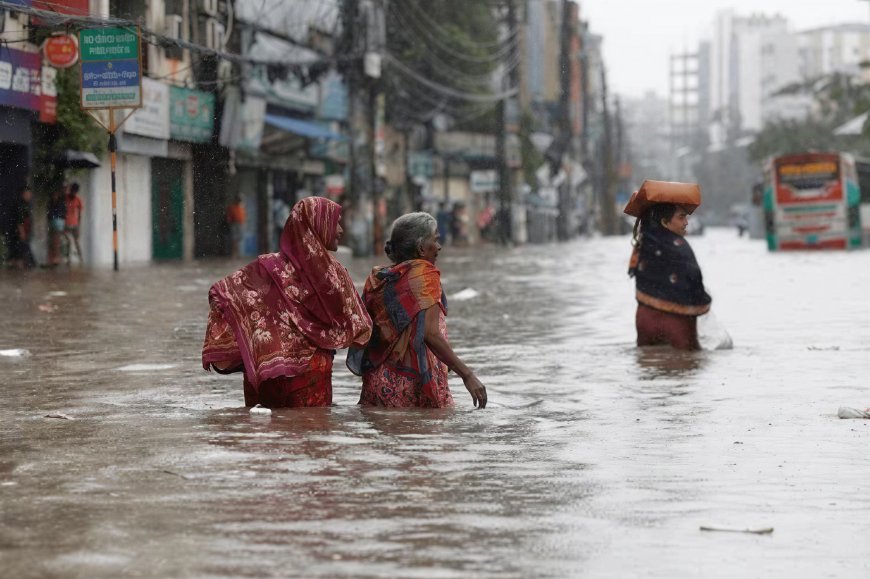
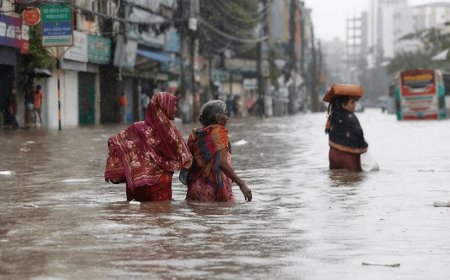
A family facing a flood has immediate decisions to make. Can they afford to leave? Where will they take their livestock? Will the clinic stay open? How will they earn again if the crops are lost?
Governments and donors may treat these questions as separate matters of humanitarian response, climate adaptation and development. For the family, they are part of the same crisis.
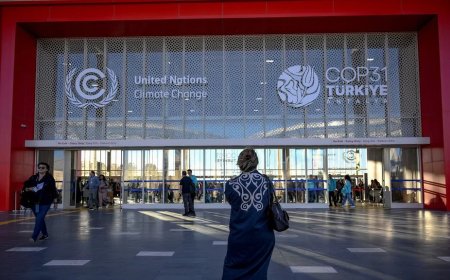
As COP31 unfolds in Antalya, Türkiye, the gap between climate promises and delivery is again under scrutiny. Arriving at the summit, Swedish climate activist Greta Thunberg called the annual climate talks “greenwashed circuses” and urged leaders to act on what they have discussed for decades.
Her criticism poses a question for this COP. What can communities point to today that is safer, better funded or more accessible because of commitments made at earlier summits?
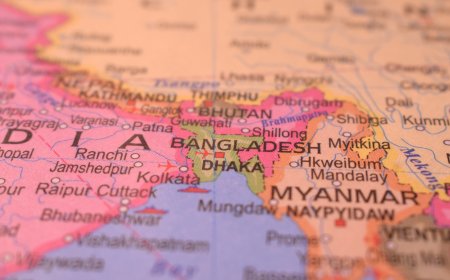
Bangladesh offers one way to examine that question. The country has a National Adaptation Plan for 2023-2050 and a Delta Plan extending to 2100. Its National Framework and Action Plan for Locally Led Adaptation gives local governments and communities a route to shape climate priorities.
The credibility of these plans depends on whether a coastal community knows who will maintain its embankment, what budget will keep its drinking water safe and how its clinic will stay open when roads become impassable. Development partners can help by funding maintenance and strengthening the institutions responsible for these services after individual projects end.
Anticipatory action shows how a commitment can translate into protection. The UN Office for the Coordination of Humanitarian Affairs (OCHA) combines an agreed forecast trigger, financing arranged in advance and a plan for what to do when the trigger is met.
A UN snapshot in May 2026 identified 24 mechanisms on standby in Bangladesh, covering eight hazards and representing more than US$36 million in financing and preparedness capacity. A separate government and World Food Program review of 2024 found that nearly 430,000 people received support across 20 districts, while more than 54% of households identified as needing assistance remained unsupported.
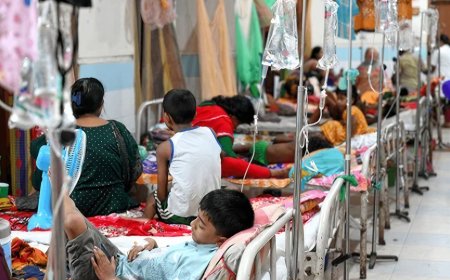
For a household, the test is whether a warning comes with the means to act. A farmer may need transport for livestock. A pregnant woman may need a way to reach a functioning clinic.
A person with a disability may need assistance getting to a shelter. Residents and local responders should help identify these barriers before the monsoon, when there is still time to arrange transport, prepare accessible shelters and set aside emergency cash.
Nepal’s experience shows why the findings of disaster reviews must carry through to the next budget and preparedness plan. Nepal has a national disaster risk reduction strategy through 2030, yet research on the September 2024 Kathmandu Valley floods found inadequate preparedness and response despite advance warnings of heavy rainfall.
The August 2026 disaster in Rasuwa exposed a different challenge. Preliminary findings from the US Geological Survey point to rapid slope failure involving a glacier as the likely trigger for the debris flow and flood, with uncertainty about exactly how it began.
The Kathmandu floods raise questions about how authorities acted on warnings. Rasuwa raises questions about how communities can prepare for cascading hazards with very little warning time.
Residents and local researchers should help establish who received warnings, what prevented people from acting and which changes would reduce future losses.
Before the next hazard season, authorities should publish the corrective actions, identify who is responsible and explain how the work will be funded. Bangladesh and Nepal could put South -- South cooperation into practice through joint exercises and direct exchanges among local authorities, civil society organizations, researchers and emergency responders.
International commitments already support this work. The Sendai Framework calls for investment in disaster risk reduction and for recovery that reduces future exposure. As one of the organizers of the 2016 World Humanitarian Summit, I saw firsthand the push for stronger local responses and more predictable financing.
The Grand Bargain, launched at the summit, set a target of channelling at least 25 per cent of humanitarian funding to local and national responders as directly as possible by 2020. A decade later, who controls the budget? Can local responders adapt spending as needs change? Can affected people challenge a decision that excludes them?
As the Network for Empowered Aid Response (NEAR) emphasizes in its policy work, local leadership requires both resources and decision-making authority.
Donors can put that principle into practice by financing readiness between disasters. Local organizations need trained staff and working relationships with clinics, municipalities and residents well before a forecast triggers assistance. Locally governed pooled funds can help sustain that work.
In Cox’s Bazar, UNHCR’s localization guidelines and the Global Compact on Refugees provide a basis for refugee and host communities to help shape preparedness, backed by sustained international support.
Financing local preparedness starts with recognising what communities already contribute. Bangladesh’s Local Contribution Accounting (LoCA) model, developed by the National Alliance of Humanitarian Actors Bangladesh (NAHAB) and piloted in three disaster-prone districts, brings local cash and in-kind contributions into standard humanitarian financial reports.
Counting volunteer time, donated supplies or storage space offered by a local business alongside external funding helps show where donors and public authorities still need to invest.
COP31 delegates can answer the criticism in Antalya by showing what earlier pledges have delivered and specifying who will finance the work that remains. Bangladesh’s third Nationally Determined Contribution identifies adaptation and loss and damage as policy priorities.
A locally developed resilience plan could connect those priorities with practical funding decisions. Adaptation finance can help keep a coastal clinic functioning. Anticipatory funding can pay for transport before flooding. Recovery funding can restore damaged services to standards that reduce future risk.
Emergency assistance should remain available according to need when a disaster strikes without adequate warning.
Before the next monsoon, communities should be able to ask what has been funded, when it will be ready and who will answer if the work falls short. The answers will tell us what the commitments discussed in Antalya mean for people living with the risk.
SM Shaikat is a policy analyst and Executive Director of SERAC-Bangladesh.