










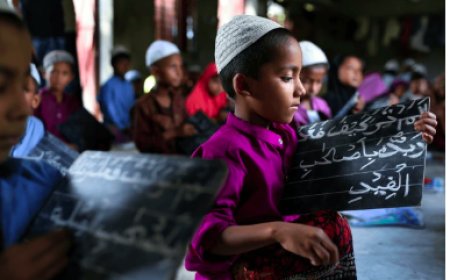




















































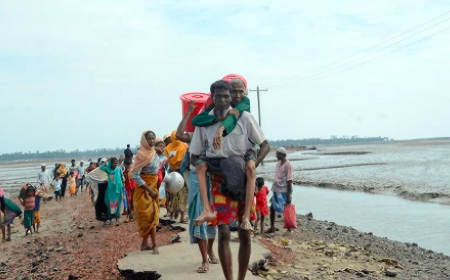
Nine years ago, the Rohingya crossed into Bangladesh expecting to stay for a season. They are still there. The speeches have changed hands three times, but the camps have not moved.

As the global aid system shrinks itself by design, Bangladesh is being asked to do more, with less, twice over -- once for a million Rohingya it did not create, and once for a climate crisis it did not cause.
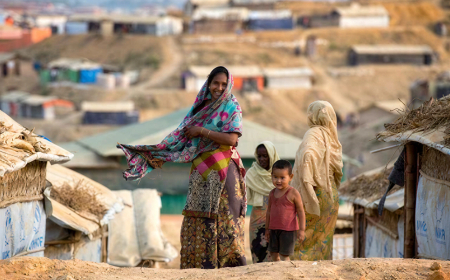
The Rohingya do not need another anniversary of international concern. They need a credible pathway to a future.
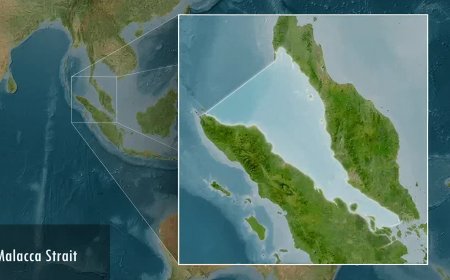
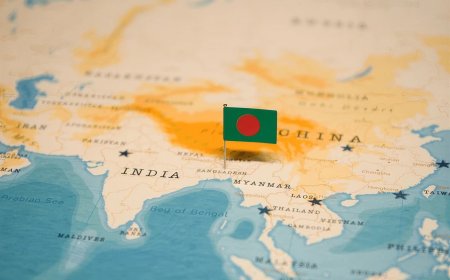
There is the India-shaped hole in the map. By excluding New Delhi, Beijing has made the corridor more diplomatically tractable, but it has also converted an economic connectivity project into a more explicit piece of the China-India strategic contest in the Bay of Bengal.

The image of Aall remains striking precisely because he was an outlier. He did not speak the language of diplomatic balance. He spoke about calories, mortality and responsibility. He insisted that humanitarian action was not morally neutral when people were dying.
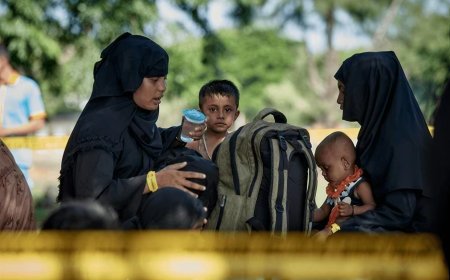
As the crisis in Rakhine worsens, Dhaka should consider drawing on that combat experience. This is not to pursue meaningless adventurism, but to formulate an internationally credible response to ensure safety, stability and humanitarian access in Arakan.
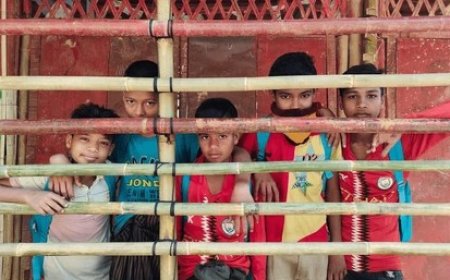
Bangladesh finds itself in a cruel diplomatic trap. Everybody says “patience,” but no one is stepping up to share the cost.

The Rohingya are not “fully dependent” on anyone. They are dependent only to the extent that they have been made dependent -- by design, by policy, and by a system that manages dependency rather than ending it.
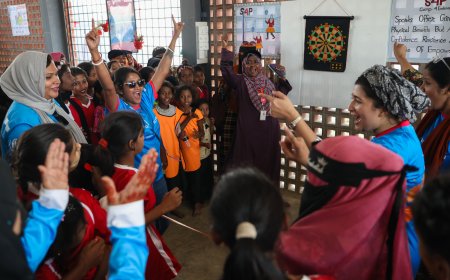
Beyond food, water and shelter, refugees make it clear that safety, dignity, and purpose are also essential to a meaningful life. But cuts under the prioritization exercise jeopardize this holistic commitment to Rohingya well-being.
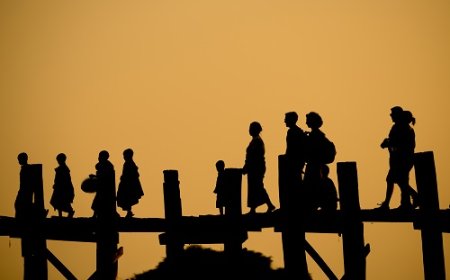
Bangladesh’s model of Rohingya containment is not a temporary holding pattern -- it is politically and economically rewarding for the state. International actors must stop sustaining it.
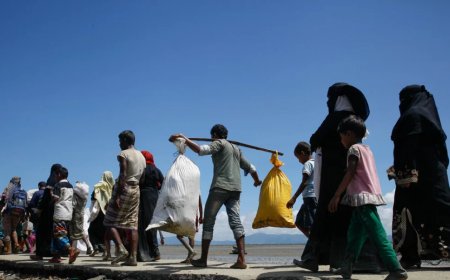
Bangladesh’s debate about a humanitarian corridor highlight broader issues

It is merely another performance in a long-running tragedy of control, optics, and missed opportunities for real change
While much of the trafficking narrative involving Rohingya women focuses on destinations like Malaysia, Asma's story is a reminder that trafficking can take many forms and lead to various destinations