































































So, Should the Education Minister be Fired?
Bangladesh needs emergency protocols that operate before photographs go viral, independent technical review of every national question paper, public disclosure of examination failures, and a transparent remedy for affected candidates.
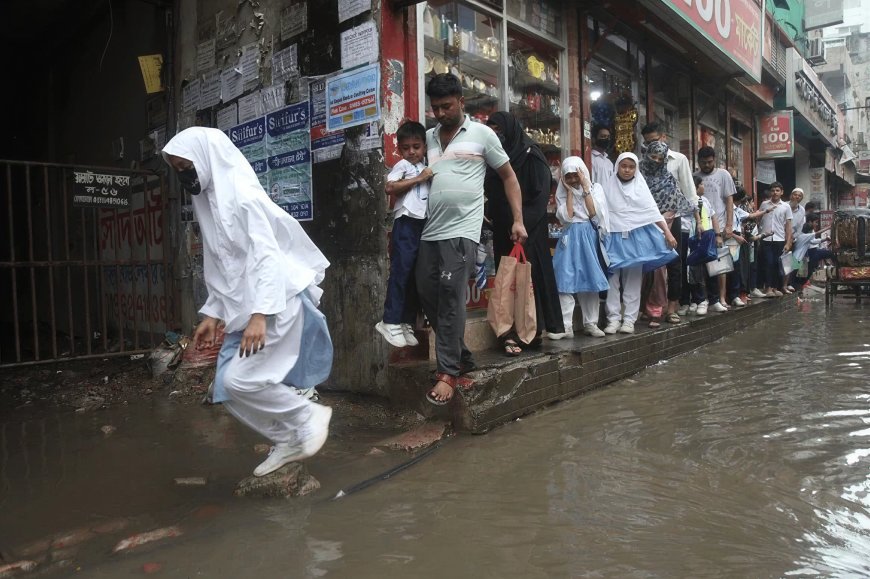
The photograph from Comilla is almost too perfect an indictment of the state.
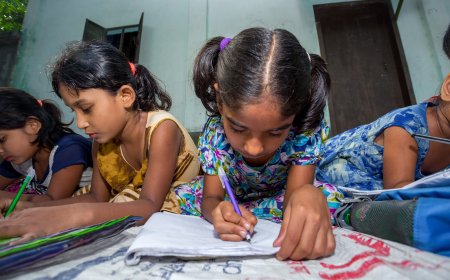
Teenage girls, on their way to one of the most consequential examinations of their lives, are being carried across a flooded college campus in plastic boats. Others wade through knee- to waist-deep water, holding shoes, files and admit cards above their heads.
Some enter the examination hall in wet clothes. Then, once seated, they discover that the physics paper itself may be defective.
At Comilla Government Women’s College, the campus and surrounding roads were submerged. The centre had 1,209 candidates. Some students arrived by boat or van; others walked through filthy water. Comilla recorded 107 millimetres of rain in three hours. Students in Bogura and Noakhali also struggled through waterlogged roads and campuses.
For some girls, the ordeal was more intimate than the photographs could show. Students have described menstruating examinees whose clothes and sanitary pads were soaked by contaminated floodwater. Many had spent the previous night without electricity, moving books and furniture away from rising water. Some developed fevers afterward.
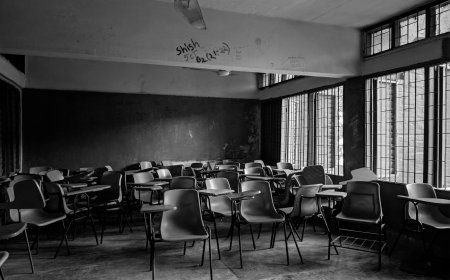
Yet they were expected to return almost immediately to their books and prepare for the next paper -- assuming, of course, that their desks were not themselves underwater.
Then came the questions.
Students and teachers reported that two physics questions contained errors and that another lacked the information needed to reach an answer. In the examination hall, students tried the calculations, failed, assumed the mistake was theirs, crossed out their work and tried again. Each attempt consumed time.
More important, each failure weakened their confidence. Once a student begins to suspect that she cannot solve one problem, she may begin to distrust every answer that follows.
A promise of full marks later cannot return the lost minutes or undo the panic. Nor does it make every student whole. Some may have abandoned the defective questions and attempted harder alternatives.
Others may have spent precious time wrestling with an impossible problem and left answer sheets unfinished. A flawed question is not merely a printing error. In a high-stakes examination, it can rearrange a young person’s future.
The failure is especially difficult to excuse because this year the education authorities chose a common question paper for all boards. Previously, separate boards prepared separate papers.
A single national paper should have reduced the workload and created more time for checking. Every numerical problem could have been independently solved by several experts. Every piece of information could have been verified. Every ambiguity could have been challenged before the paper reached more than a million students.
Instead, centralization appears to have concentrated error without concentrating accountability.
The official defense is that most centres remained usable, repeated postponements would disrupt results and university admissions, and a common-question system made a nationwide suspension impractical.
Chittagong Board examinations were postponed, while most others continued. Those concerns are not frivolous. A national examination cannot be rearranged casually.
But the choice was never between canceling the examination everywhere and forcing every student to proceed. A competent system would permit rapid local postponements according to clear thresholds: Submerged access roads, water inside a centre, unavailable public transportation, electrical danger, or an extreme-weather warning.
The most revealing fact is that, after public outrage, the Comilla board moved the women’s college candidates to another centre with sufficient capacity. The alternative existed. The urgency did not.
This is also not the first time an Education Ministry has needed to be reminded that students and teachers are human beings.
During Sheikh Hasina’s government, amid an intense heat wave, I had the unhappy experience of reminding the Education Minister at the time, Mohibul Hassan Chowdhoury, that classes should be postponed to protect students and older educators.
It should not require a private citizen’s last-minute intervention for a ministry to notice extreme heat. Nor should it require viral photographs for officials to notice that children are traveling by boat to examinations.
In Bangladesh, Education Ministers have too often been chosen not because they spent decades defending students and teachers, but because they were considered dependable political loyalists.
The portfolio is treated as a reward for proximity to the Prime Minister, rather than as a public trust requiring moral courage, technical competence, and a record of advocacy.
That matters because an Education Minister must sometimes tell the head of government something inconvenient.
Schools must close. An examination must be delayed. A favored policy has failed. The budget is inadequate. A group of students is being treated unfairly.
Blind loyalty may be useful to a Prime Minister. It is dangerous in a ministry whose first duty is to millions of young people and educators.
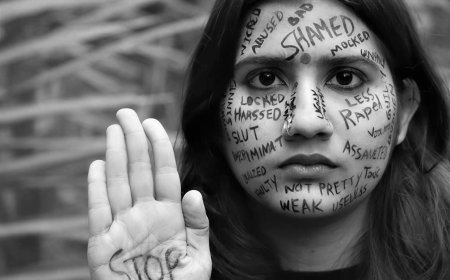
The reported mockery of sick examinees as “farm chickens” makes this failure even uglier. Students who walked through contaminated water, sat in wet clothes and returned home with fevers deserve protection, not ridicule.
If the remark attributed to the minister is authentic, it should by itself raise grave questions about his fitness for office.
So, should the Education Minister be fired?
Yes -- if they cannot explain who approved the defective questions, what verification process failed, why flooded centres were not moved in advance, and why affected students were required to continue under conditions that plainly compromised safety and fairness.
But dismissal alone would be theatrical if the same political logic simply produced another loyalist in the same chair.
Bangladesh needs emergency protocols that operate before photographs go viral, independent technical review of every national question paper, public disclosure of examination failures, and a transparent remedy for affected candidates.
It also needs a new standard for appointing an Education Minister: demonstrated service to students and teachers, not merely demonstrated obedience to power.
The students have already been examined. Now the minister should be.
Omar Shehab is a theoretical quantum computer scientist.