



































































Assessing Trump's Iran Deal
A war fought in part to eliminate Iranian leverage ended with Iran holding more of it, over Hormuz, over Lebanon, and over the sanctions regime, than it had before the first missile was fired. Whether that trade was worth it depends on whether the next 60 days produce a durable peace or simply a longer, costlier version of the same unresolved fight.

When President Trump signed a memorandum of understanding with Iran at the Palace of Versailles on June 17, he closed the books on a war that began February 28 and reshaped his own legacy in the same stroke.
But the terms he agreed to raise an uncomfortable question: If the United States and Israel dismantled Iran's uranium enrichment capacity and battered its military to the point it's no longer operational, why does the resulting document read like a win for Tehran?
Washington committed to lifting US and UN sanctions on Iranian oil, banking, insurance, and transportation sectors. It agreed to help build a reconstruction fund worth at least $300 billion. It pledged to release roughly $100 billion in frozen Iranian assets.
It ended the naval blockade on Iranian ports within the next 30 days and promised to withdraw US forces from Iran's vicinity once a final deal is reached.
In exchange, Iran offered comparatively little: A pledge not to build nuclear weapons it was already far from possessing after the strikes, a vague commitment to "resolve the disposition" of its enriched uranium stockpile, and language that explicitly preserves Iran's "nuclear needs", the kind of civilian program carve-out that sounds a lot like the 2015 deal Trump spent years denouncing.
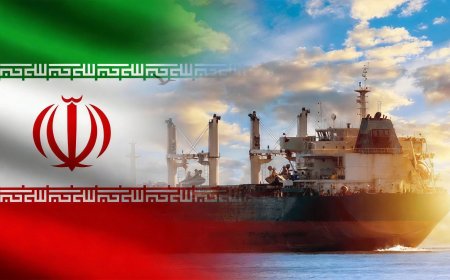
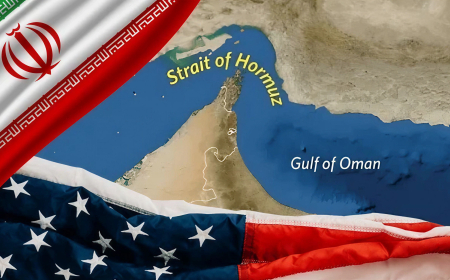
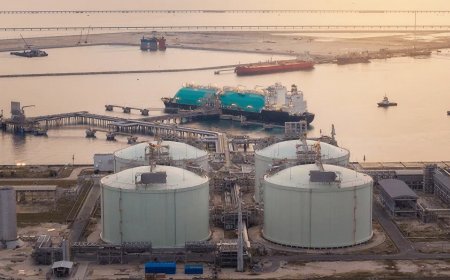
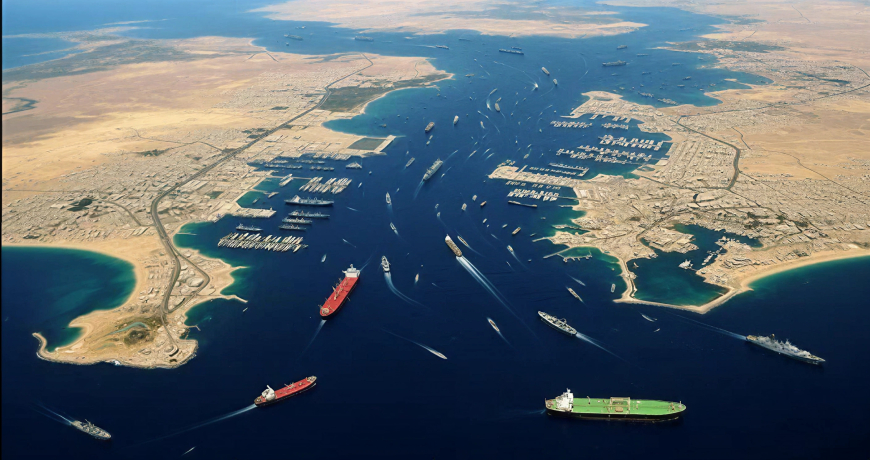
Then there is the Strait of Hormuz, arguably the memorandum's most revealing clause. Iran agreed to reopen the strait to commercial shipping, but only "free of charge" for 60 days, after which it is left to negotiate a "future administration" of the waterway with Oman and other Gulf states. Tehran read this as a license to charge transit fees and assert lasting control eventually; Trump insisted on Truth Social that Iran has no such right.
That the two governments cannot even agree on what they signed is itself a warning sign about how durable this arrangement will be.
The deeper problem for Trump is one of narrative consistency. He built his political brand on calling the Obama-era nuclear deal "the worst deal ever," withdrew from it in 2018, and pursued a "maximum pressure" sanctions campaign for years afterward.
Now he has signed a document that lifts sanctions faster and more completely than the deal he tore up, while imposing fewer restrictions on Iran's nuclear activity than the agreement it replaces. He effectively conceded the stakes himself at the G7, saying he didn't want to preside over an economic catastrophe if the war dragged on, an admission that the war itself had backed him into a corner.
Lebanon is the memorandum's most fragile pressure point. Iran insisted, under its "unity of fronts" doctrine, that any deal include language ending military operations there, over Israeli objections.
Prime Minister Netanyahu has treated that clause as nonbinding, keeping Israeli forces in a buffer zone inside Lebanese territory and drawing an unusually public rebuke from Vice President JD Vance, who noted that American taxpayers fund the bulk of Israel's weapons and that Israel cannot fight its way out of every security problem.
Netanyahu, weakened politically by a war that produced no decisive victory and facing elections this fall, has every incentive to keep the Lebanese front simmering rather than let Washington and Tehran consolidate a deal that sidelines him. This is not the first Trump-Netanyahu rift; earlier clashes over Yemen and Syria never proved fatal to the alliance.
Whether this one follows that pattern, or marks a genuine break in Washington's patience with Israeli conduct, remains an open question.
None of this means the agreement is destined to collapse, and critics of the "capitulation" framing have real grounds to make a case too.
Iran's enrichment capacity was knocked out during the war and, as of this writing, has not restarted, a genuine security achievement that a memorandum alone cannot undo.
The US has also opened alternate shipping and pipeline routes that reduce its long-term exposure to Iranian threats against Hormuz, and Washington maintains that reconstruction funds and asset releases are contingent on Iran's actual compliance, not automatic.
Seen that way, the memorandum is not a giveaway so much as a bet: That a fragile, transactional peace bought with sanctions relief is more durable and less costly than an open-ended war Trump himself worried could tip into recession.
That bet may pay off. But it is a bet, not a triumph, and the gap between the administration's rhetoric about victory and the document's actual terms is where the real argument lies.
A war fought in part to eliminate Iranian leverage ended with Iran holding more of it, over Hormuz, over Lebanon, and over the sanctions regime, than it had before the first missile was fired. Whether that trade was worth it depends on whether the next 60 days produce a durable peace or simply a longer, costlier version of the same unresolved fight.
Shafqat Aziz is a barrister (Lincoln’s Inn) and an accredited Civil-Commercial Mediator (ADR-ODR International).