

























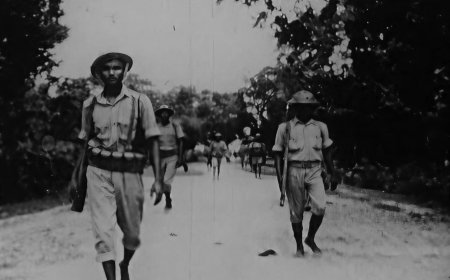










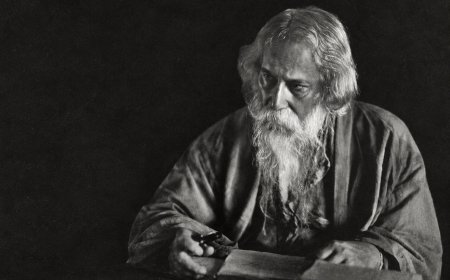




























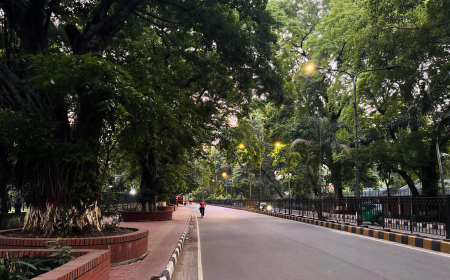
They Packed Their Bags in 1947. But Their Names Are Still Embedded in Dhaka's Oldest Roads.

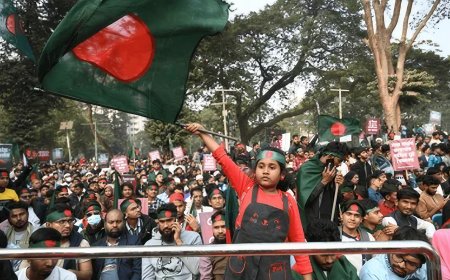
Maybe the greatest tribute to July is not in another speech or another procession but to remember that revolutions are not only moments of triumph but also the collective memories of sorrow carried quietly by thousands of ordinary citizens.
When the monsoon comes and two thirds of the land submerges, that is not devastation alone. The water withdraws and leaves behind a fine sediment of silt, and the landscape turns into vast patches of fertility, and then the wind comes and moves across it.

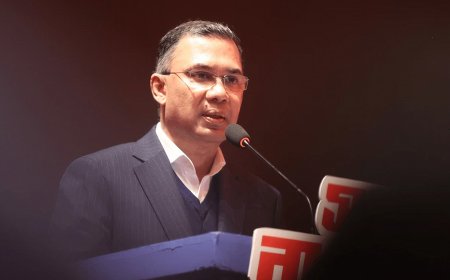
The significance of this visit lies in whether Dhaka brings the political alignment and focused preparation to match it. The advance preparation of specific project proposals, the investment conference architecture, and the push on FTA negotiations suggest it does.
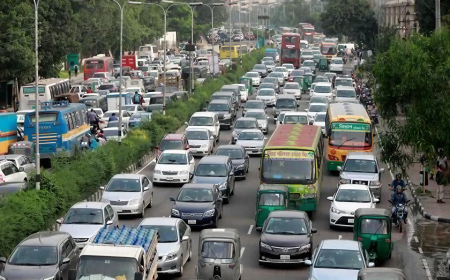
A farmer in Rangpur, a student in Barishal, an entrepreneur in Khulna, or a patient in Sylhet should not feel disadvantaged simply because they live outside Dhaka.
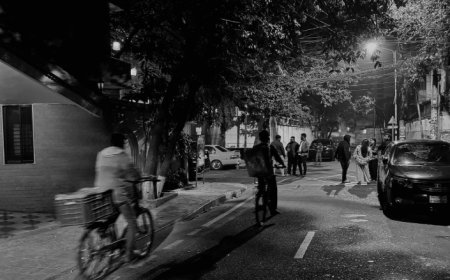
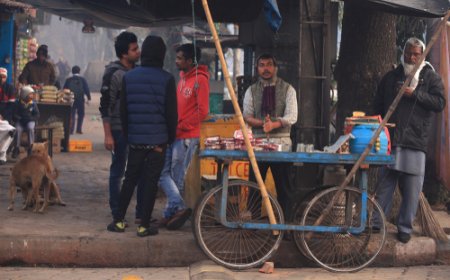
Their visibility is not loud, neither in the broad daylight nor in the evening's glowing streetlights; they do not occupy any news headlines, yet they keep pedaling to meet the city's hunger. Therefore, the city we live in is not equal for all its citizens.
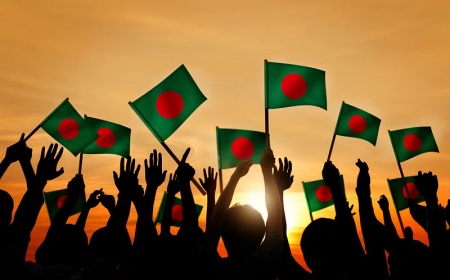
Marginalizing Sylhet and other peripheral districts is more than a regional grievance. It is a strategic mistake that weakens Bangladesh’s national economy, even as policymakers tout the country’s global competitiveness. Yet it also reveals the contradictions and idiosyncrasies in modern nation-building exercises.
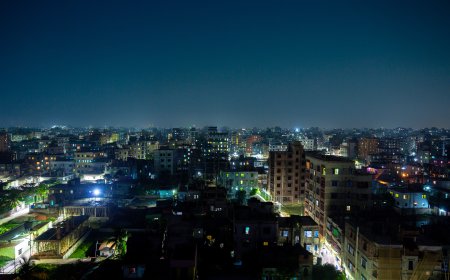
The night is not one thing. It is a thousand negotiations, a million small decisions about where to stand, how long to stay, who to trust. The city's soul is not a fixed thing but a process -- an ongoing negotiation between collapse and creation.
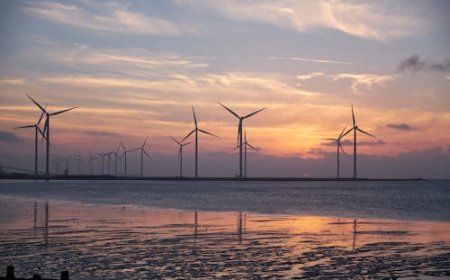
By erecting solar canopies over these historic arteries, we can generate thousands of megawatts of clean energy while providing the shade necessary to preserve our water levels. Beneath these canopies, the state must build structured aquaculture systems, renting them back to local farmers.
Bangladesh has debated itself intensely this season . Now the debate shifts from imagination to implementation. Dhaka is not beyond saving. But it will not be saved by manifestos alone.
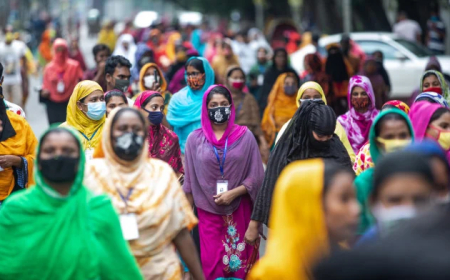
Dhaka’s walkers are not Darwinian subjects -- they are Darwin’s teachers. They have mastered the art of evolving within the apocalypse, turning every sidewalk and sewer into a classroom.
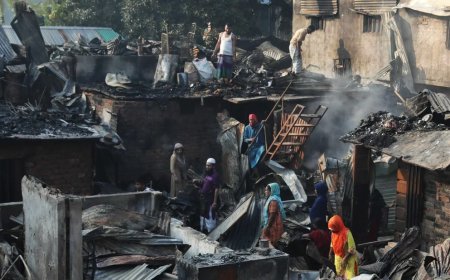
The Korail high-rise promise is not just a construction project. It is a governance challenge shaped by misaligned incentives, fragmented land control, extreme density, contested beneficiary selection, weak tenure enforcement, and post move-in affordability.
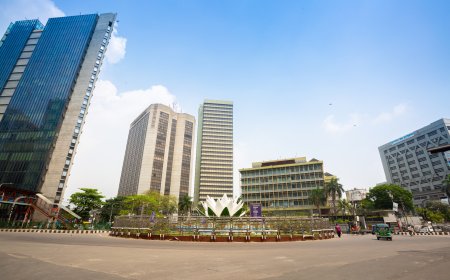
Ashfaq Chowdhury Piplu’s death is a question thrown at our feet by the city we are building. The falling rod asks: What do you value more? The abstract future value of a building, or the concrete, present life of a person walking?
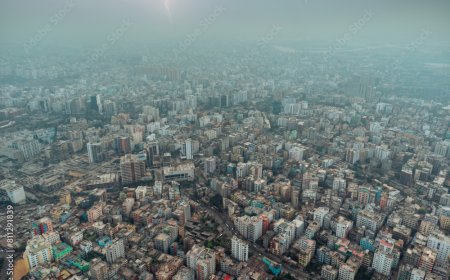
What is needed is neither complacency nor catastrophizing, but a sober, hard-headed assessment of the threat and a realistic and tough-minded plan for how we should deal with it.
Dhaka’s earthquake threat lies in poor construction, not geology. We need to be concerned about and plan soberly for what would happen if a 6.0 quake hits instead of catastrophizing doomsday scenarios.

The November 21 earthquake was unprecedented in our recent memory. What does this mean for the future of the city, how prepared are we, and what needs to be done now?