























































The Digital Shalish Court
The most obvious solution is the legal system must criminalize online shaming and punish the cyber-harassers instead of forcing women to disable their accounts.

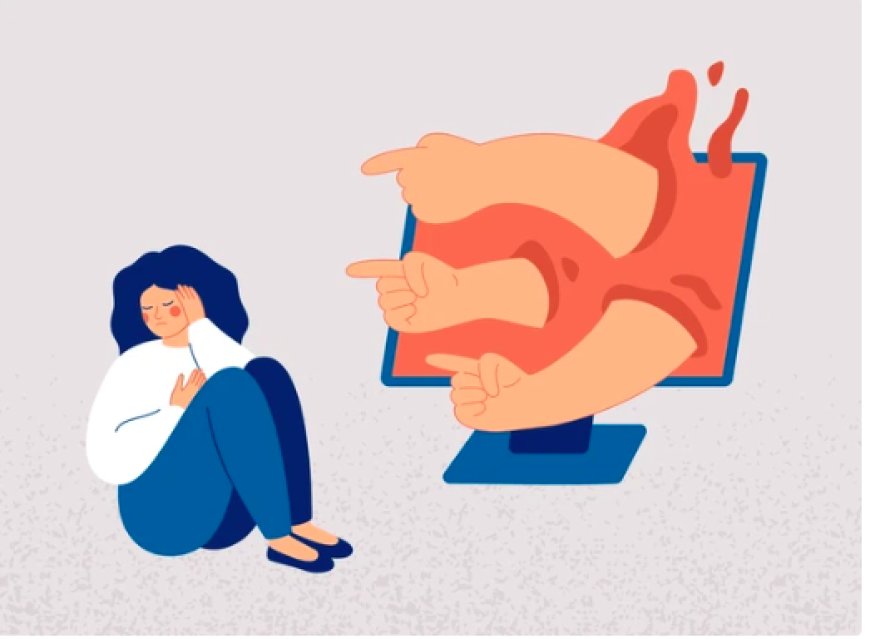
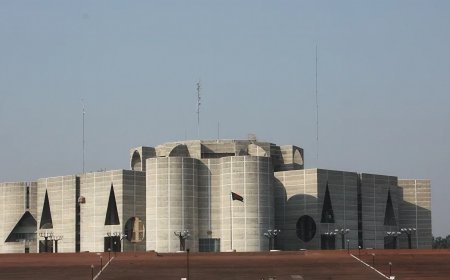
A recent speech by a female MP in the parliament has garnered significant attention -- and for all the wrong reasons. It is not entirely because of her choice of language in mixing Bangla with English and more disturbingly, what the online voyeurs claimed they could see; the contours of her body through her clothing.
When a highly sensitive issue of scrutinizing women’s bodies is discussed on public digital spaces, it reflects a deeply troubled society.
Gender based harassment and cultural policing and surveillance of a woman’s covered silhouette is extremely intrusive.
When I scrolled down the comment section of a YouTube video the way the female MP was targeted about her anatomy to hyper-sexualize her was mind-blowing.
Despite wearing modest, fully covering attire a lot of men went so far as to analyze and comment on the shape of her body.
The intense hyper-fixation coupled with the public cheering on those vile comments show that even high profile women in public offices are not immune to systematic vulnerability.
I detest social media -- not because of the technology itself but for many reasons including the sudden rise of the digital Shalish court. The comment sections quickly degenerate into targeted harassment of women with mindless vitriol.
The only exception to this rule is my occasional viewing of YouTube videos concerning Bangladesh.
It is my way of staying rooted to my homeland, yet I feel highly disappointed to see on this platform our worst cultural habits of online harassment.
Social media platforms have become a breeding ground for predators that cannot even look at a female leader outside of a sexualized lens.
Whether they are internet savvy or not, the unlimited and easy accesses to social media outlets have enabled the malicious bullies to degrade women, even powerful ones who were elected to represent their respective constituents.
It is not too far-fetched to say that in the case of women in position this is a subconscious futile attempt to reclaim dominance over them who have surpassed men in social hierarchy.
It has become possible because the digital age simply has modernized the centuries- old tradition of public shaming of women in Shalish court style usually presided over by the village matabbar.
Such vile online attacks come from a place of immense insecurity as most men cannot tolerate when women are doing better than them. So they use the most powerful organ; their tongues (in this instance, the social media network) to lash out, diminish, reduce, shame, and push women past the point of no return. By the time the tech platforms intervene the damage is already done.
For cyberbullying women, a man perhaps feels no moral qualms or bears zero responsibility when leaving such derogatory and sexualized messages for the opposite sexes.
It is rarely about a specific woman or her clothing, rather it is driven by deep-seated psychological anxieties about women getting empowered and their fear of losing control over them. It is especially true of the developing nations.
The recent case of the MP highlights a cultural acceptance of how men are permitted to abuse women under the guise of moral policing. They are neither apprehended nor made accountable for destroying women’s peace of mind and continue to use social media platforms with ease.
A lot of the people who leave vile messages in the comment sections bypass AI keywords flag or swap letters for symbols. There are ways around it in identifying who these parasites are by holding potentially inappropriate comments for review or hiding users from channel.
The obvious question is: Who appointed men to be gatekeepers of digital Shalish court? Traditional Shalish system in rural Bangladesh was conducted by patriarchal village elders where they arbitrated, shamed, and punished women for any kind of digression that was viewed as ‘immoral.’ It was like an open court system where some women only gathered to witness and their opinion was never asked for.
Years ago, I witnessed some of these proceedings held at the village chairman’s courtyard through a crack in the door. The verdict always was the patriarchs’ way or no way.
Unfortunately, the same judgement applies to the modern internet today. Since comment sections are not usually regulated, some men feel they have the license to anonymously leave messages. They appoint them as a judge, jury, and executioner.
Not much evidence is needed to condemn a woman by the social media mob. When someone doesn’t like how a woman is dressed, or disagrees with her appearance in the social media post, is enough to crucify her. No due process is followed as they usually can get away with it.
Women typically stay away from committing such reprehensible acts with a few exceptions, of course. A lot of the times when women post contents that are deemed too ‘western’ face intense condemnation from female users aiming to ‘protect’ societal morals.
Women bully other women for trivial things like manicured nails as they automatically assume that a woman with acrylic nails is unfit for domestic bliss.
As a way of undermining her authority there were some women who criticized the female MP’s diction and mixing of English and Bangla. Because of that they instantly concluded she speaks neither language flawlessly; hence the mixture in an attempt to pass herself as someone educated, well rounded, and knew what the regional issues are. In this instance men outnumbered women in writing nasty comments.
After the female MP’s speech went viral I saw a follow-up interview that she gave to one TV channel. She stated that the enormous amount of negative backlash she took in stride. In her view it was a blessing in disguise as she interpreted it as people paying attention to what she was saying.
She quoted an outrageous number of times the video was shared across multiple platforms.
Is this really the point or the point should have been how she was portrayed for her choice of clothing and way of speaking? Such reaction only feeds the trolls.
Recognizing viral mockery helps a politician to stay focused on legislative duties. The strong statement she should have made is no amount of digital media users nasty comments would not deter her from the job she was chosen to do (such as turning dirt roads into paved ones) nor is she going to stop speaking in whatever way she prefers to speak.
The overarching question remains: Can men drive women from public, political, and digital spaces through intimidation? What can be done about the social media vigilantes who use the same village Shalish tactics not out of genuine sense of morality but to control women?
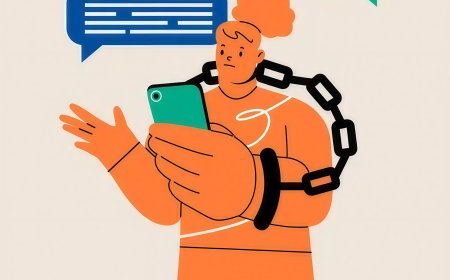
A lot of women who do not want to subject themselves to such abuse routinely deactivate their social media accounts. But this is only a temporary safety measure, not a long term solution.
The most obvious solution is the legal system must criminalize online shaming and punish the cyber harassers’ instead of forcing women to disable their accounts. Social media platforms must freeze the viral harassments by transitioning from reactive content moderation and make everything automated.
Weaponization of technology with features like comments, shares, and social media algorithms has created a mob who replaced the traditional Shalish court as the arbiter of public morality.
Social media has become the easiest outlet for this behaviour; a man in my family’s village of Ghorashal can drop a toxic comment with just a swipe of his smartphone. Meanwhile, sitting on the other side of the globe I can vent my own frustration by writing a sharp commentary.
Zeenat Khan is a regular contributor to South Asia based journals and literary magazines.