














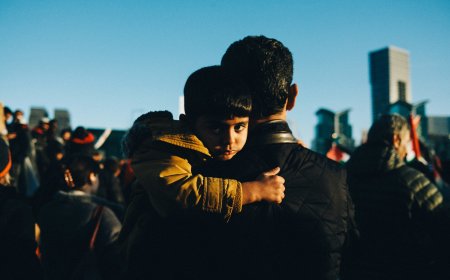




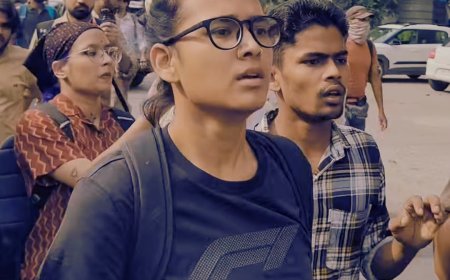
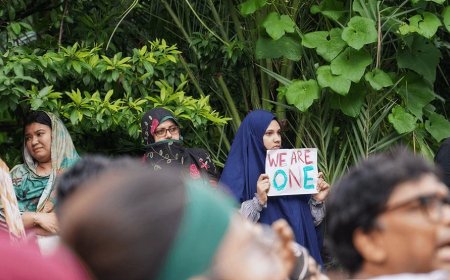
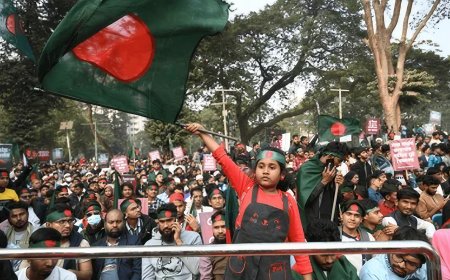




































With the election scheduled to take place in the coming days, the need to heighten and strengthen protective measures is now immediate and critical. Preventive security, early warning, and community engagement efforts must be intensified not only on polling day but throughout the pre-election and post-election period, particularly over the next month, when risks of retaliation and intimidation have historically been highest.
The polls close. One by one, the live streams flicker and die. The official pages go dormant, saving their energy for victory declarations or accusations of theft. The meme pages are quiet. The deepfake bazaar has shut its stalls. Your thumb, trained for twelve hours on a refresh-loop, finally has nothing to pull.

When a society burns its own newspapers, attacks its artists, and restricts freedom of thought, that fire does not stop there. It spreads to courts, classrooms, and homes. When a city burns, its temples do not survive. Our temples, culture and freedom of expression, are no longer matters of personal preference. They are matters of collective survival.
One of the core reasons behind Bangladesh’s political malaise is blind partisan loyalty. The tendency to select candidates based on party identity, factional allegiance, religion, or gender -- rather than competence -- has repeatedly rendered parliament ineffective. The entire nation has paid the price.
Opponents of the referendum write as though rejecting this package will clear the way for a more measured, item by item process of constitutional improvement. But nothing in Bangladesh’s recent history suggests that such a sequence will materialize on its own.

Jamaat can only win if this is a wave election, signaling a tectonic shift in the national mood. There is little evidence of this in the polls and available data. It is possible, but not probable.

Key Stories Shaping Emerging Markets: Thai Election Fuels Stock Market Rise, EM Rises as Wall Street Looks Global, The Race for Brazil Rare Earths, US-Bangladesh Trade Deal, Uber Buys Getir Stake from Mubadala
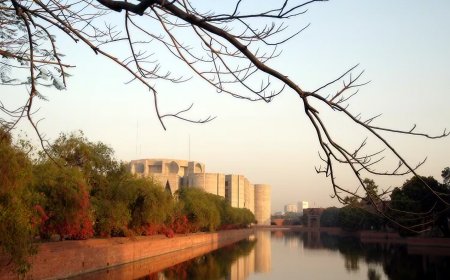
The question is not whether this election will solve all of Bangladesh’s problems, it will not. The real question is whether it can reopen a democratic pathway that has long been blocked.

Lima’s commitment to centering worker’s voices and futures, and the combination of pragmatism and integrity that drives her have been on full display in the past two decades, long before the most recent elections were announced. Equally at ease organizing in the industrial belts as in negotiating policy reform in Dhaka or Geneva, she is exactly the kind of candidate the country needs right now.

Bangladesh’s citizens face a crucial choice: Will they allow the state to bypass constitutional limits, pressure institutions, and control the vote, or will they insist that the Constitution not the government remains the ultimate authority?
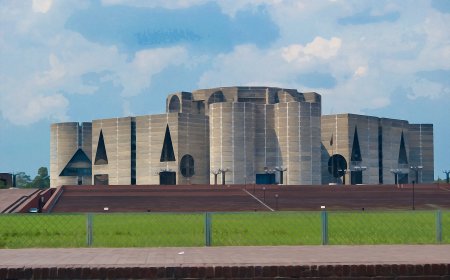
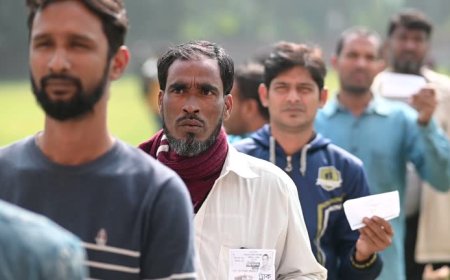
While turnout may not reach historic highs, it is nonetheless expected that up to 70% of voters will participate. Yet, as election day draws near, a palpable sense of anxiety and security concern has settled over the public.
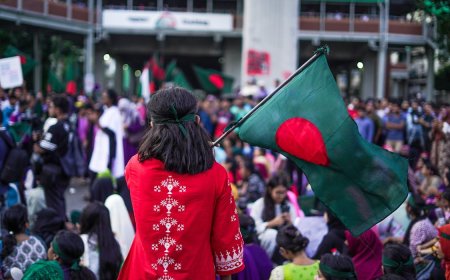
If states tighten control over digital spaces to prevent manipulation, how do democracies function? How do we distinguish between organic, bottom-up people’s movements and those that are partially orchestrated or externally influenced?

Bangladesh has tremendous potential to grow both economically and institutionally but the growth depends on the trust that people and investors place in its institutions, and that trust is nurtured through elections that are fair, transparent, and conducted with integrity.

The US has accidentally left a vacuum that Europe has been taking advantage of to establish itself as a geopolitical power. Europe does not have to remain hooked to the shackles of the dependency that was the Cold War, but now, it can move in its own direction and make new alliances and address what concerns it.
The wording in the referendum question, set out in the four separate categories of reforms, only clearly match with 20 of the 47 numbered proposals set out in the July Charter