





















































Can the 2026 Election and Referendum Heal Bangladesh’s Long Democratic Wounds?
The question is not whether this election will solve all of Bangladesh’s problems, it will not. The real question is whether it can reopen a democratic pathway that has long been blocked.
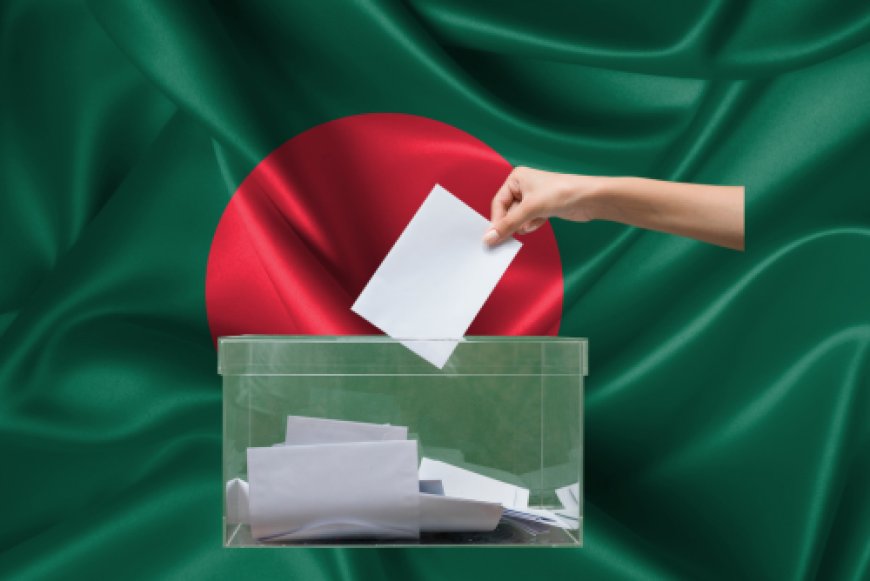
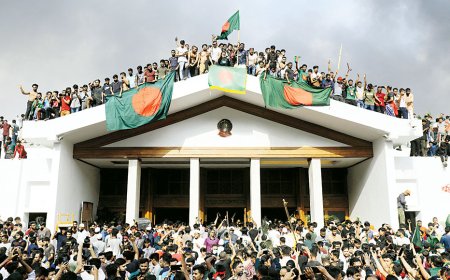
Bangladesh stands at a historic inflection point. The anticipated parliamentary election and referendum scheduled for February 12 under the Interim Government of Professor Muhammad Yunus have generated cautious hope among citizens weary of political dysfunction.
More than a routine electoral exercise, this moment is widely seen as a test of whether the nation can finally confront the unresolved challenges that have haunted it since independence in 1971.
For over five decades, Bangladesh has achieved notable progress in economic growth, social indicators, and resilience. Yet these achievements coexist with deep governance failures. Democratic institutions have weakened, elections have lost credibility, accountability has eroded, and the rule of law has too often bent under political pressure.
As a result, many citizens, especially the youth, feel excluded from meaningful participation in shaping their future.
Against this backdrop, the proposed election and referendum are significant not because of personalities, but because of process. A genuinely free, fair, and inclusive election could restore public trust in the ballot box as the primary instrument of political change.
The referendum, if framed responsibly, could provide a direct democratic mandate for structural reforms that elected governments have historically avoided or postponed.
However, expectations must be tempered with realism. Elections do not automatically resolve systemic problems. Without institutional safeguards, even a well-intentioned transition can reproduce old patterns of patronage, polarisation, and centralized power. The critical challenge, therefore, lies in ensuring that the 2026 process is anchored in transparency, neutrality, and accountability.
Several conditions will determine whether this moment becomes transformative. First, the independence and credibility of election administration must be beyond question.
Second, political participation must be genuinely open, allowing dissenting voices, opposition parties, and civil society to operate without fear.
Third, the referendum agenda must be clear, limited, and focused on fundamental governance reforms; such as judicial independence, electoral oversight, checks and balances, and decentralisation, rather than vague or populist appeals.
Equally important is public engagement. The suffering and frustration of the people since 1971 stem not only from economic hardship, but from repeated betrayals of democratic promise.
Citizens must feel that their vote matters and that the outcome will lead to tangible improvements in governance, justice, and opportunity. Without this belief, even a technically successful election risks moral failure.
Professor Yunus’s government carries a unique moral responsibility. Its credibility derives not from traditional political power, but from public trust and international respect. This trust must be converted into strong institutional guarantees, not personalized authority.
The success of the 2026 process will depend on whether the government resists the temptation to manage outcomes and instead protects procedures.
Ultimately, the question is not whether this election will solve all of Bangladesh’s problems, it will not. The real question is whether it can reopen a democratic pathway that has long been blocked.
If the election and referendum establish legitimacy, accountability, and a reform mandate, they could mark the beginning of a new chapter aligned with the original aspirations of 1971: Dignity, justice, and self-rule. If they fail, the cost will be yet another lost opportunity, and a deeper erosion of hope.