


















































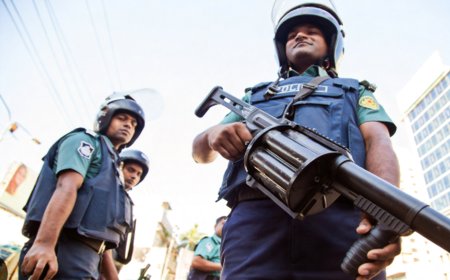
If unlawful killings by police are prosecuted while unlawful killings of police are ignored, the law becomes partisan. If mob killings are investigated while state killings are diluted, the law becomes cynical.
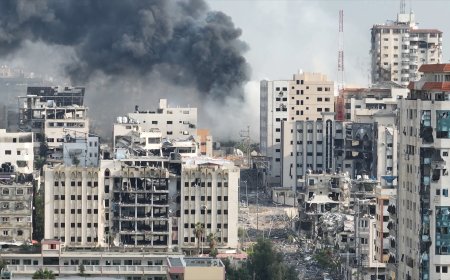
Israel’s budget deficit has tripled. Government spending has risen by 40%, while foreign investment has dropped by 60%. The economy is shrinking, and national income is falling. To cover its costs, the country is on its way to falling into a debt trap.

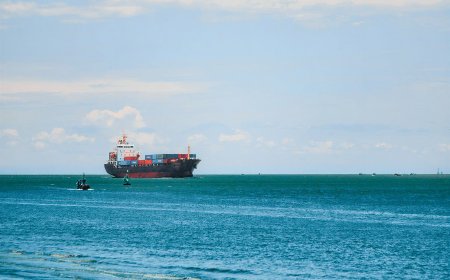
Import cost is ultimately a function of trust. When global banks and suppliers trust that payments will be made on time and that policies will remain predictable, they offer better terms. Conversely, when uncertainty prevails, they demand confirmation, higher spreads, and tighter conditions.
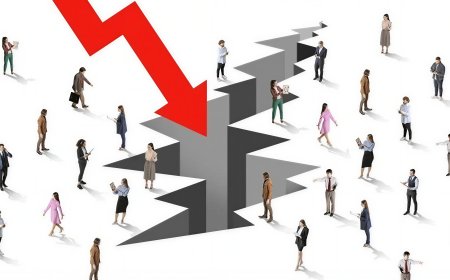
The constraint has never been a lack of opportunity. It has been risk, real and perceived. That is where development institutions can play a catalyzing role: Financing infrastructure, supporting regulatory reform and reducing risk.
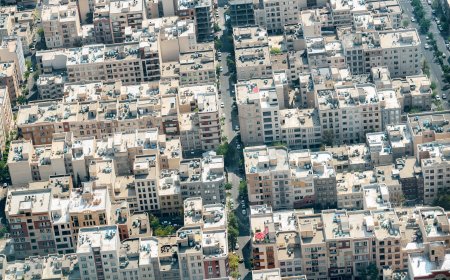
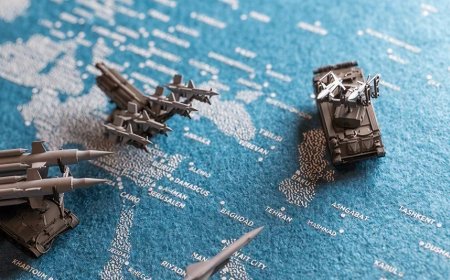
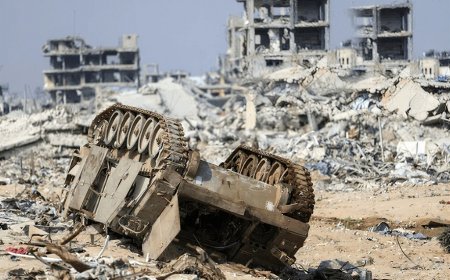
What we may be witnessing is not the eruption of uncontrolled conflict -- but a controlled application of force designed to close a 30-year nuclear standoff. History will not judge this moment by the explosions. It will judge it by what follows them.
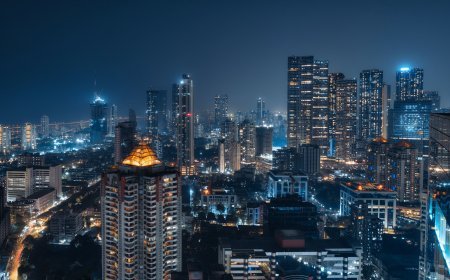
We must break the silence of the graveyard. The cure for inflation is found in the shovel, the tax holiday, and the cold-room -- not in a 15% interest rate. To follow India’s policy is to finally choose a stability that breathes.
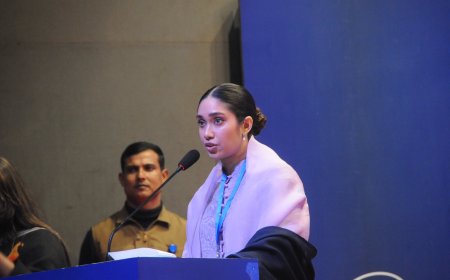
The masculinity crisis in Bangladesh is not a psychological issue alone. Young men possess smartphones but lack jobs, security, or agency. Powerless in real life, they become powerful on screens. Their remaining sense of control is exercised through digital domination of women’s bodies.
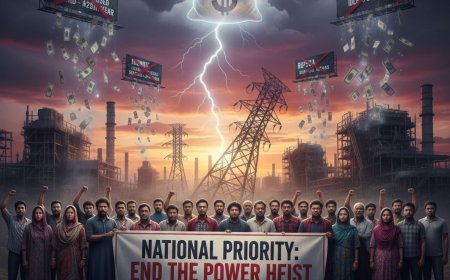
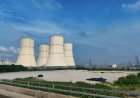
The National Review Committee’s report is not just an audit; it is a Directive for Sovereignty. The new government must now prove its commitment to the people by executing these three non-negotiable actions. The evidence is in. It is time for the new government to terminate the heist and reclaim our energy future.
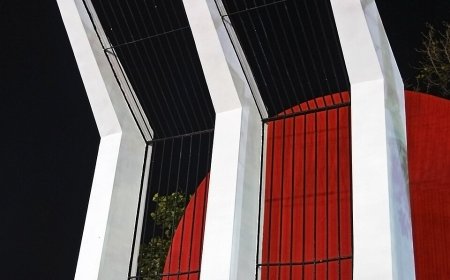
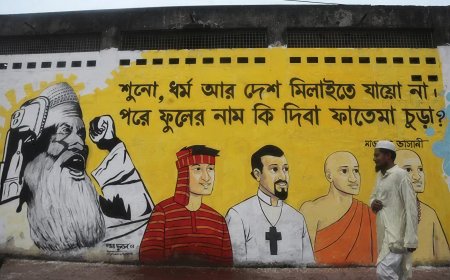
Certain cultural celebrations are deemed sinful by a segment, and overt religiousness seems inconsistent with culture by another group. Even in my own clan, I have seen relatives disown placing wreaths on the Shahid Minar as un-Islamic, versus those who believe that wearing a headscarf or burqa is being culturally backwards. However, I am grateful to have a place in the US where I can offer my prayers in Arabic and then pay respect to those who died defending the Bengali language, all on the same ground.

This is a silent but sure shift in how our outgoing women are viewing their freedom on the move, and prioritizing their choice of shoes accordingly. They seem to have realized that every step matters, and shoes are there for liberating, not constricting.
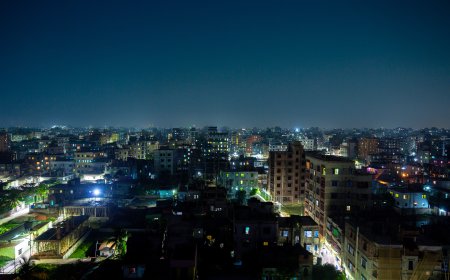
The night is not one thing. It is a thousand negotiations, a million small decisions about where to stand, how long to stay, who to trust. The city's soul is not a fixed thing but a process -- an ongoing negotiation between collapse and creation.

Bangladesh is not on the verge of collapse, but it remains fragile. During periods of economic uncertainty, central banks must stay above politics. When monetary authority appears negotiable, inflation expectations shift, currency stability drops, and fiscal discipline weakens.

Critical thinking should not be optional, If young people grow up learning how to think -- not what to think -- the appeal of simplistic grand narratives will naturally weaken.
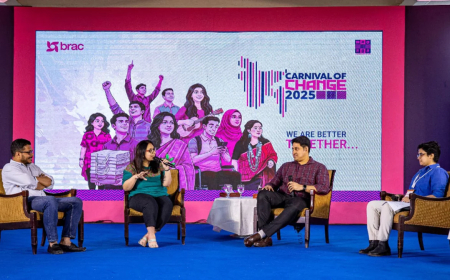
In nascent environments such as Bangladesh, early-stage survival rates are much more precarious, with student-led ventures facing closure within one to three years offormation. The demographic dividend of Bangladesh is still one of its biggest assets. But economic transformation doesn’t come through demographics alone. Systems do.
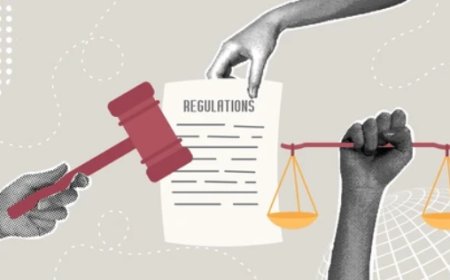
Political criticism will persist, that is the nature of democracy. But a government that governs through law, accountability, and judicial independence will find that criticism becomes manageable, trust becomes durable, and stability becomes achievable.
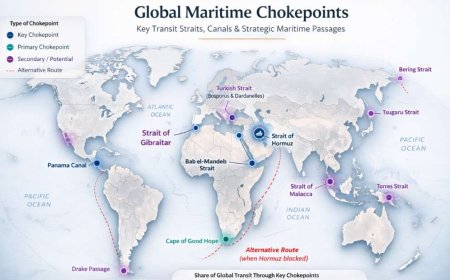
For Bangladesh, the closure of the Strait of Hormuz would not represent a diplomatic crisis with Tehran. It would represent a market crisis. The country’s exposure lies in its increasing dependence on globally traded LNG without deep diversification, strategic reserves, or substantial domestic alternatives.