






























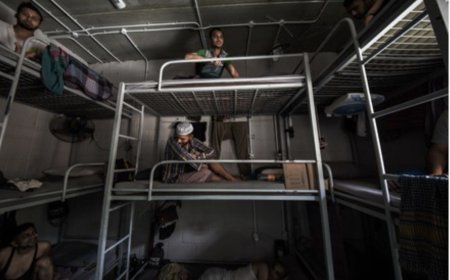

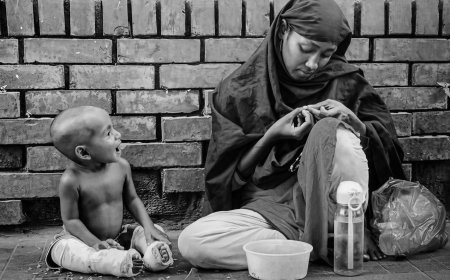



































Ensuring accountability is the key, and a state cannot design a system, cannot create an institutional design where the only protection is a party's or an individual’s goodwill. A state’s guiding operational principle cannot be to be ruled by the angels.
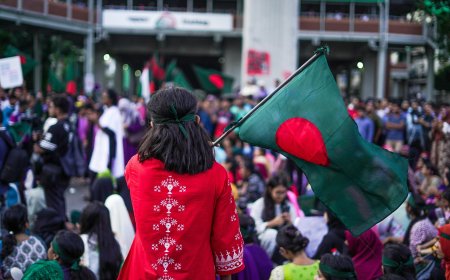
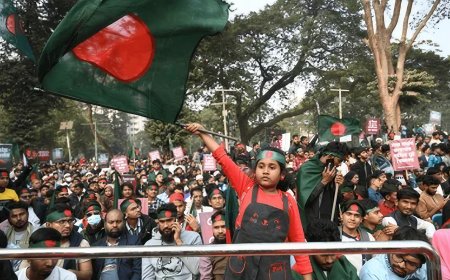
A stronger Bangladesh will not emerge overnight. But with patriotism and civility, it will rise -- steadily, confidently, and together. To the conscious citizens of Bangladesh: This is your moment. Do not wait for perfect leaders or ideal conditions. Be the example. Act locally. Think nationally. Stand firmly for honesty and integrity, nurture skills, and practise good manners persistently.
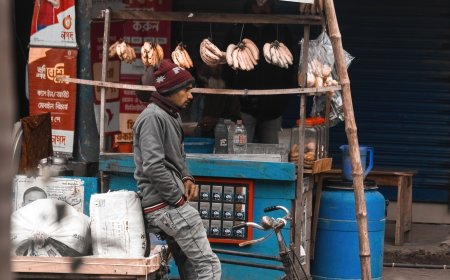
Albert Camus wrote that we must imagine Sisyphus happy but for those caught in Bangladesh’s cycles of performative governance, happiness is not the point. Each new deadline, each “operation,” each raid is a boulder pushed up the hill. The problem rolls back down, and we begin again.

Myanmar stands as a stark reminder that in today’s world, geography is destiny only until strategy intervenes

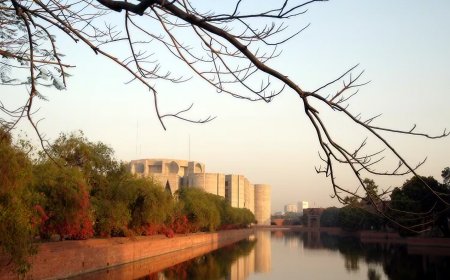
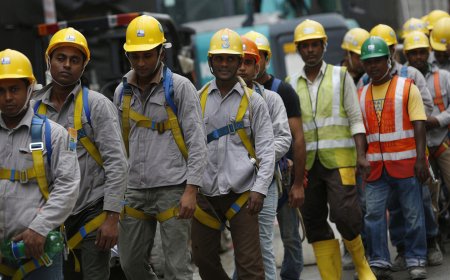
Sometimes the most revealing view of a country is not from above, but from within the flow of its everyday life

Bangladesh now needs a clear economic roadmap and renewed emphasis on economic and energy diplomacy.

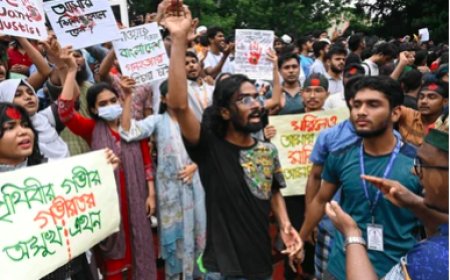
The goal is to have a unified and cohesive story, an antithesis to the common phenomenon of students accumulating certificates like trophies, so that when they finally face their goal, the student does not essentially become a detriment to the system.

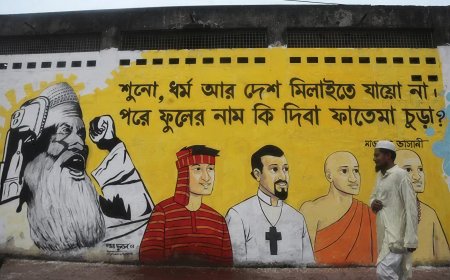
A class of divinely chosen people has the power, endowed by God, to read the esoteric meaning of the Quran and the capacity to guide their own path and that of their followers to connect to the ultimate reality through a mystic journey, which is the foundation of the doctrine of Sufism.

Justice must not only be done but must be seen to be done; impartially, consistently, and without fear or favor. For ordinary citizens to trust the system, they must believe that the law protects them equally, regardless of wealth, influence, or affiliation.
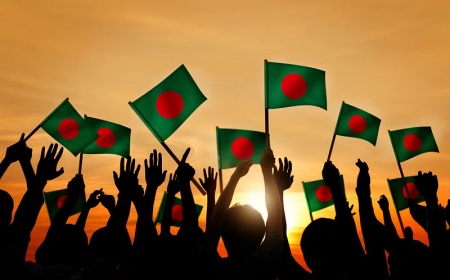
Marginalizing Sylhet and other peripheral districts is more than a regional grievance. It is a strategic mistake that weakens Bangladesh’s national economy, even as policymakers tout the country’s global competitiveness. Yet it also reveals the contradictions and idiosyncrasies in modern nation-building exercises.

The logical way forward is for the government to ensure that all large producers of perishable agricultural commodities set up daily auctions. Then government agencies can ensure fair prices by auditing the records of the auctions.
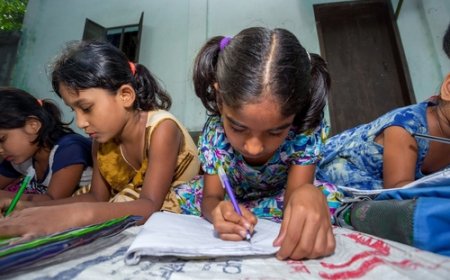
In the end, the controversy is not about a mechanism. It is about a mindset. It reveals a society that remains deeply anxious about opportunity and deeply divided in access to it.

International law and global stability are not distant abstractions for Bangladesh but essential pillars of economic resilience and national planning.
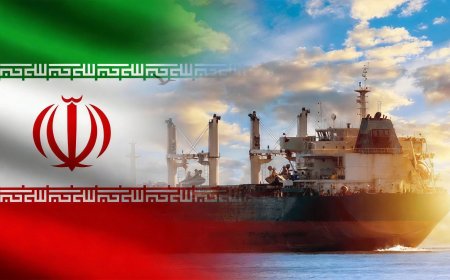
For the first time in decades, the United States risks strategic isolation within its own alliance network. If the United States is perceived as an unreliable negotiating partner, future mediation efforts -- both in the Middle East and beyond -- may suffer.

If the UN cannot prevent wars, cannot restrain powerful states, or even name the aggressors, then the world must confront an uncomfortable question: Is the United Nations still fulfilling its founding mission?

Reviving Saarc is a Sisyphean task, but it is one Bangladesh is uniquely positioned to undertake. In a world of hardening blocs, South Asia cannot afford to be the only region without a voice.