
























































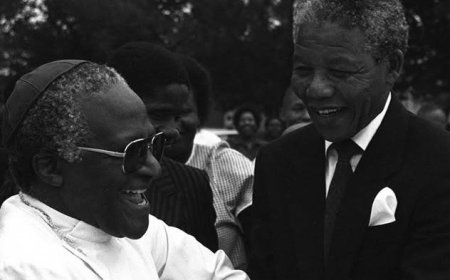
South Africa’s experience shows that legitimacy depends on perceived impartiality and transparency from day one. For a country at the crossroads, that is an invitation worth considering.
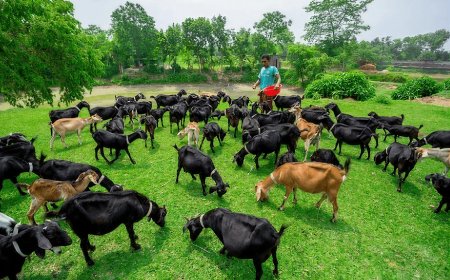
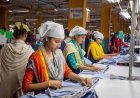
The country has already demonstrated remarkable resilience and creativity in its economic journey -- from garments to remittances to microfinance. The next chapter will require an equally bold shift in how capital is allocated.
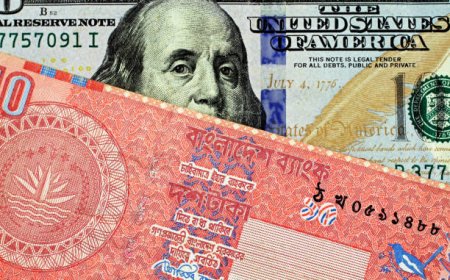
While the duration of the conflict and the peak of oil prices remain unpredictable, there is a silver lining. Analysts note that the BDT is not as significantly overvalued today as it was in 2022. Consequently, any potential "crash" or magnitude of depreciation is expected to be much lower than the volatility witnessed two years ago.

Bangladesh does not lack visible women, women in campaigns, women in commemorative posters, women seated at consultation tables, women repeatedly invoked in speeches. But visibility without authority is not empowerment; it is performance.

To return to democracy, we endured another undemocratic government after removing one. During this time, there were many human rights violations, many provocations. The people of Bangladesh gritted their teeth and waited for stability.

Unlike many bilateral relationships in South Asia that are defined by rivalry, the India-Bangladesh relationship began with cooperation and solidarity. That legacy continues to shape perceptions and policy even today.
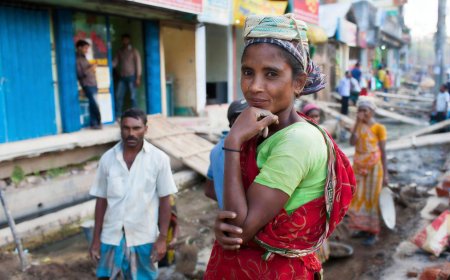
Frustration, when it has nowhere constructive to go, seeks a target. Too often, women become that target -- online through harassment and abuse, offline through control, intimidation, or violence.
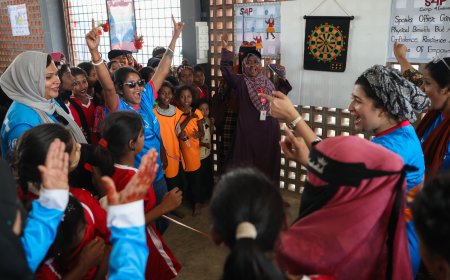
Beyond food, water and shelter, refugees make it clear that safety, dignity, and purpose are also essential to a meaningful life. But cuts under the prioritization exercise jeopardize this holistic commitment to Rohingya well-being.
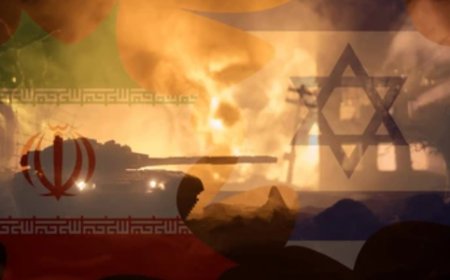
Since 1945, and specifically since colonizing Palestine with Israel and taking the baton of Empire from Britain, the US has been waging imperial domination around the globe, with the safety of claiming the distinction of not being an overt colonial force.

We now know exactly where we are, but we have lost all sense of where we could be.
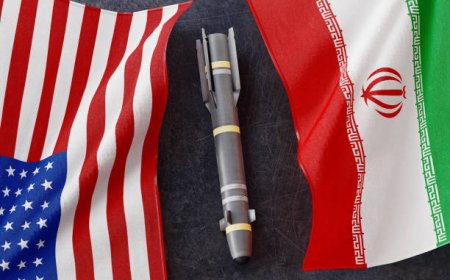
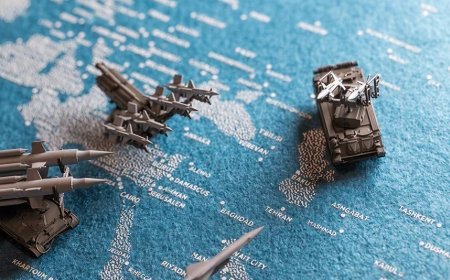
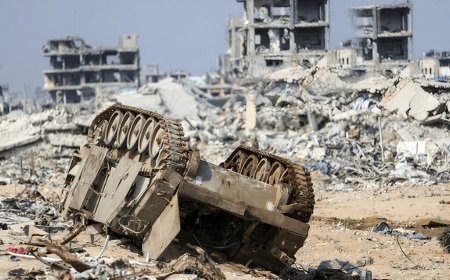
Instead of a single battlefield, the United States could find itself managing simultaneous crises across several countries, dramatically increasing the complexity and cost of military operations. Recent history offers sobering lessons about the limits of military power in such environments.
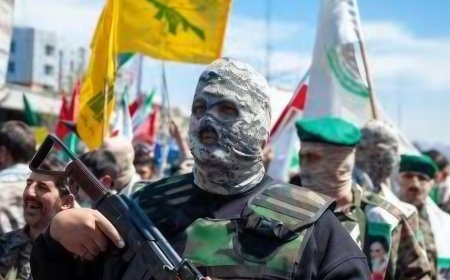
Bangladesh deserves better than slogan-driven geopolitics. It deserves journalism that can critique American power without romanticizing Iranian power, question Israeli policy without indulging conspiracy, and evaluate Russia, China, or Pakistan without reflexive alignment.

This isn’t just a normal switch in power. It’s a clear rejection of two parties that spent decades swapping control, making deals, and getting caught up in scandals while the country struggled.

In the end, that is what happened to NCP. It let itself be persuaded that the bravest thing a youth party can do in its founding election is to make itself small.

We need more than purple sarees; we need greater representation of women in Parliament to steer the budget toward safety and a localized commitment to the UN Security Council’s Women, Peace and Security agenda.
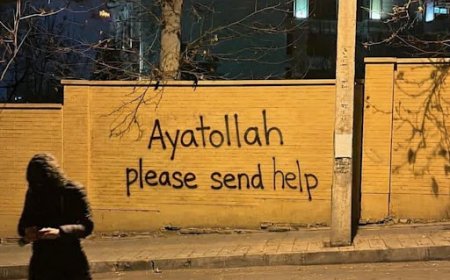
We have a choice: To be passive consumers of the spectacle, or active collaborators in writing a different ending -- one based not on fear and division, but on the unbreakable, transnational solidarity of those who believe, against all odds.