

















































Can GDP Tell the Whole Story?
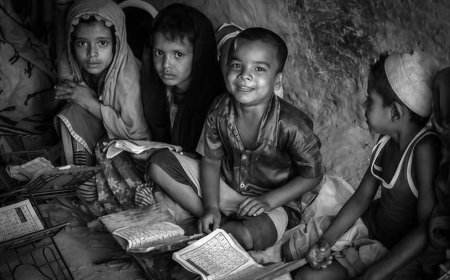
Since the purpose of development is to enhance people's quality of life, it would be appropriate for development professionals to listen to people's knowledge, culture, and experience as a primary means of enhancing their professional practice.

Economic growth can be viewed as one of the primary measures of national development. The performance of an economy is explained by such variables as Gross Domestic Product (GDP), per-capita income, foreign investment, and infrastructure development.
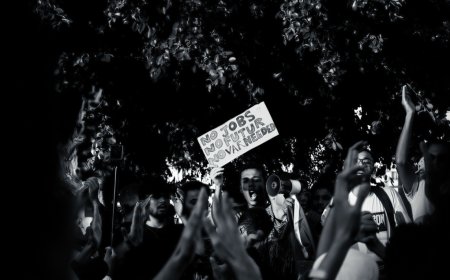
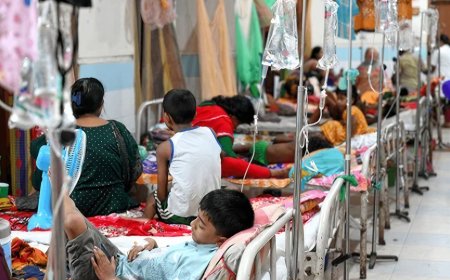
However, these variables alone cannot provide insight into how development benefits are being shared among individuals within a country; which segments of the population remain economically vulnerable; and what types of social and environmental changes are experienced by the population.
An increase in a country's national income does not automatically imply that every citizen will have similar opportunities, job security, access to government-provided services, and a reasonable quality of life.
Bangladesh provides an interesting setting to examine the complexities discussed previously.
For example, there are many variations in the development experience among those who live in the riverine "char" (islands) of Kurigram, the haor (wetlands) of Sunamganj, the drought-affected Barind region of Rajshahi and Naogaon, the coastal areas of Satkhira, and the Indigenous communities of the Chittagong Hill Tracts.
These groups have had very different experiences with respect to livelihood opportunities; environmental hazards; cultural traditions; and relationship to natural resources as a result of varying geographical and social circumstances. To comprehend such variations requires more than just statistical data on income levels.
It necessitates knowledge about how individuals organize themselves socially; how they share knowledge; how they perceive environmental changes; how they create and sustain social networks; and how they deal with uncertainty. At this point, folklore can be incorporated into development thought and practice.
Folklore is not just a collection of traditional songs, stories, rituals, beliefs, and performance that is preserved as cultural heritage. It is a living body of knowledge, memory, experience, and cultural expressions of communities.
Folklorists can assist development practitioners in understanding the realities of local communities through oral traditions, indigenous knowledge, folk performances, customary practices, and daily cultural activities which cannot be captured by traditional economic indicators.
Incorporating folklore into development planning will result in development that is more sensitive to the local context, participatory, inclusive, and sustainable in Bangladesh.
Beyond GDP: Whose Development Are We Measuring?
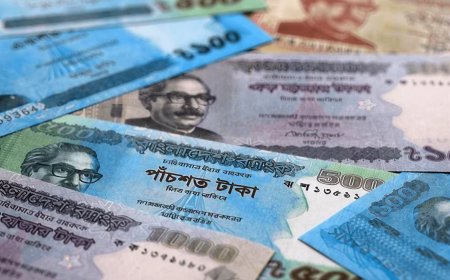
GDP per capita represents the average economic output of a country based on the number of people who live there. However, it does not show us the income each individual receives, nor does it illustrate the distribution of wealth and opportunity among different types of households, geographic areas, or social groups.
The World Bank's World Development Indicators indicate that in 2025 Bangladesh had a GDP per capita of about US$2,597 (in current US dollars). This represents the average amount of money generated through economic activity for each resident; however, it does not represent how much money each resident typically earns or receives.
We can clearly see the limitations of our analysis when we look at the poverty rates and household living conditions. The Bangladesh Bureau of Statistics conducted the Household Income and Expenditure Survey (HIES) in 2022.
According to the HIES, there is a total poverty headcount rate of 18.7% at the national level based on the upper poverty line. However, the poverty rates vary significantly across regions.
For example, the poverty rate in Barishal is 26.9%; the poverty rate in Rangpur is 24.8%; and the poverty rate in Mymensingh is 24.2%. On the other hand, the poverty rate in Khulna is 14.8%; and the poverty rate in Chattogram is 15.8%. It is evident from these statistics that although the national average reflects an overall trend, it does not reflect the significant geographical variations in economic well-being.
There are several additional limitations to using economic measurements. GDP doesn't accurately represent unpaid household and care work; cultural knowledge transmission; social relationships; environmental degradation; and the loss of traditional livelihoods.
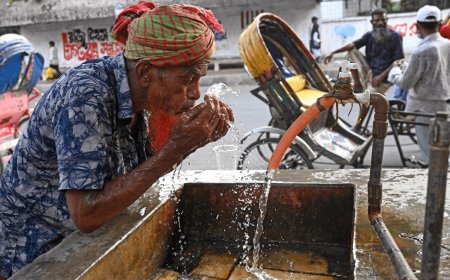
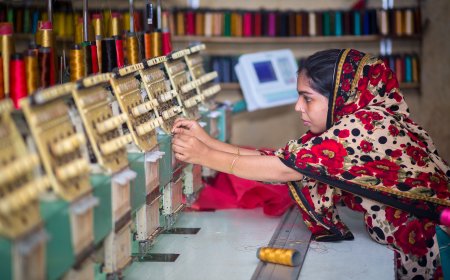
A rural woman who saves seeds, processes traditional food products, manages her family's resource use, and passes on traditional agricultural practices contributes significantly to her family's ability to withstand shocks such as droughts, floods, etc., but this contribution isn't adequately reflected in market transactions.
Additionally, the social networks that support families during times of crisis such as river erosion, seasonal unemployment, or natural disasters are difficult to quantify with GDP data. Therefore, the success of economic growth should be evaluated in conjunction with income distribution; poverty reduction; human development; environmental sustainability; and how people experience their lives.
Bangladesh's Geographical Diversity and Unequal Development Experiences
The economic opportunity and vulnerability experienced by people in Bangladesh varies greatly based on their location. This variation exists due to Bangladesh being made up of several distinct developmental landscapes, including rivers, wetlands, coastal ecosystems, drought-prone agricultural regions, forests, hills and growing cities.
Northern Riverine Regions: Many households in Kurigram, Gaibandha, Lalmonirhat, and Jamalpur are affected by seasonal livelihood insecurity, displacement, and river erosion. For those households that have lost their agricultural land due to river erosion, they may also lose their ancestral homes, communities, and local knowledge.
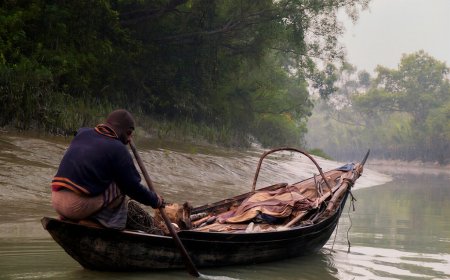
Assessments that determine only the financial cost of damage to property do not consider the cultural implications of these losses. The Northeastern Haor region includes the districts of Sunamganj, Netrokona and Kishoreganj. People in this area are very dependent on agriculture that depends on seasons and on the resources from wetlands.
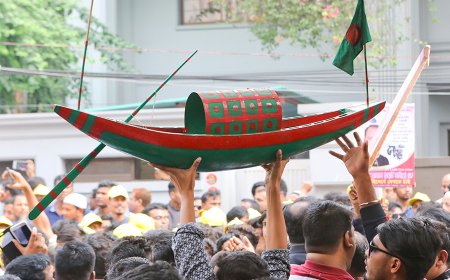
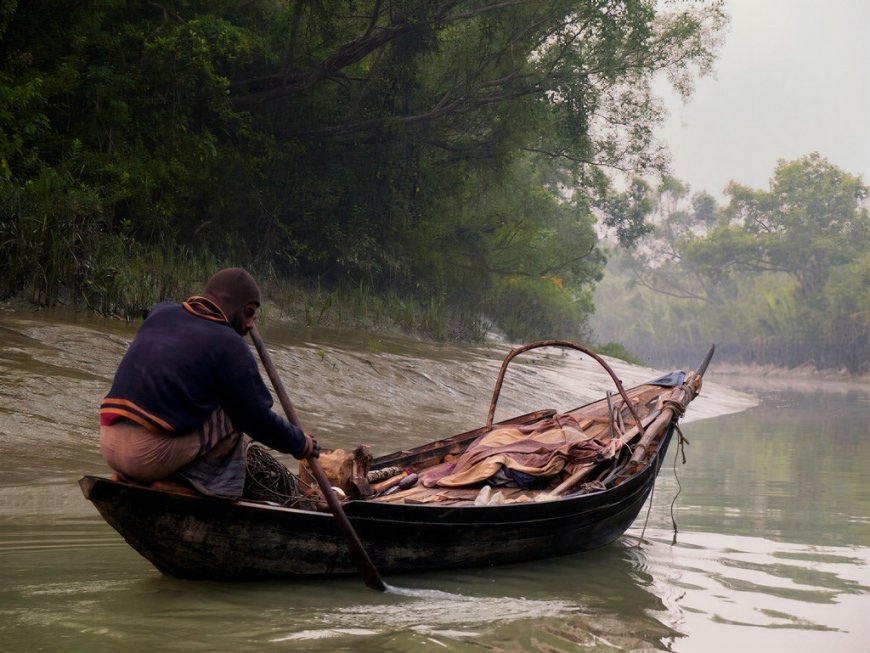
Serious economic insecurity is created by flash floods. The relationship between people, water and the environment is shown through traditional fishing knowledge, seasonal calendars, boat culture and Bhatiali songs.
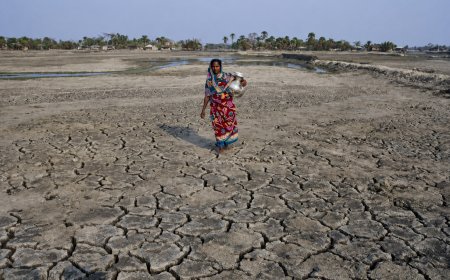
The Barind Tract: In addition to facing water scarcity, groundwater pressure, and increasing temperatures, the areas of Rajshahi, Chapainawabganj, and Naogaon have a rich history of local knowledge regarding agriculture, seasonal practices, and the ways in which communities have historically dealt with the effects of environmental changes.
These three aspects will help us to understand how rural households are responding to environmental uncertainty.
Southwestern Coastal Region: Satkhira, Khulna, and Bagerhat face challenges of salinity intrusion, cyclone impacts, and failed embankments. The cultural narratives of *Bonbibi and the Sundarbans show how people view forests, their own responsibilities to them, and their relationship to nature.
Chittagong Hill Tracts: The Chakma, Marma, Tripura, Mro and many other indigenous groups have maintained their own distinct cultures, traditional ecological knowledge (TEK) and customary law systems. Any intervention which ignores the Indigenous community's TEK or how they relate to the land is likely to be irrelevant to the needs of the community.
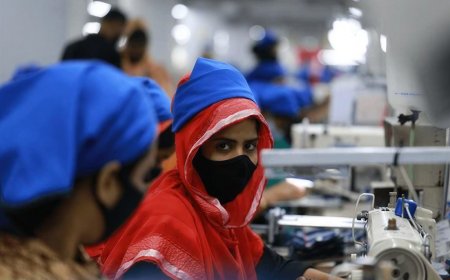
Urban and Industrialized Areas: Migration histories, work-related stories/folklore, and social support systems for migrants in Dhaka, Gazipur, and Narayanganj can aid in explaining how individuals are able to adapt to changing economic and cultural circumstances.
What Can Folklore Contribute to Development?
In addition to being a source of information about the past, folklore can provide useful guidance during the planning process of development projects as well as their execution.
Traditional Knowledge and Rural Livelihoods: Indigenous communities' traditional farming practices, seeds used for planting, methods of processing food, traditional ways of catching fish, and the knowledge they have about the seasons play an essential role in supporting the livelihoods of the communities.
Documenting these practices will enable people to understand what are the most appropriate approaches to addressing issues related to food security and developing the ability of a community to withstand shocks to their economy.
Adaptation to Climate Change & Resilience to Disasters: People who live in vulnerable areas gain knowledge by interacting with their environment on an ongoing basis.
Oral histories, folk indicators for weather, and the collective memory of past disasters can provide insight into how people perceive environmental changes. When combined with scientific forecasts, adaptation programs will be better able to respond to local needs.
The Role of Folk Performance in Social Communication: Bangladesh has many forms of folk theater, such as Gambhira, Alkap, Bhawaiya, Jari, and Sari. In Rajshahi, Gambhira performances often use satire and humor to initiate conversations with audience members regarding issues related to poverty, environmental problems, and governance at the local level.
Gender Equality and Acknowledgement of Women's Knowledge: Women are responsible for transmitting food traditions, preserving seeds, and maintaining cultural practices. Documentation through folklore research will allow development organizations to identify women's knowledge as a valuable resource for achieving household resilience.
Cultural Economy & Employment: Opportunities exist within folk music, traditional crafts, weaving, and festival-related businesses for individuals to pursue entrepreneurship. UNESCO has added Baul songs, Jamdani weaving, Mangal Shobhajatra, Shital Pati weaving, Dhaka rickshaw painting and Tangail Saree weaving to its Intangible Cultural Heritage List.
However, to achieve financial stability, artists must receive equitable pay, gain access to markets, and obtain intellectual property protections.
Cultural Memory and Participatory Governance: Oral history provides a glimpse into migration, relationship with the land, and changes in livelihood. Hearing from community members prior to beginning a project will increase participation, trust, and community ownership.
From Cultural Heritage to Development Practice
The use of oral histories of river erosion to supplement standard assessments of property damage may be utilized in Kurigram. The knowledge that is available from fishermen and those who live near wetlands in Sunamganj may assist in developing context-specific disaster preparedness.
The Gambhira performance form of Rajshahi could be used as a culturally appropriate way to engage the community in discussions regarding water conservation.
The Bonbibi stories of Satkhira provide insight into how the community views its relationship with the natural world, which can help support scientific approaches to environmental conservation.
However, all traditional practices are not sustainable. Some cultural practices can perpetuate social inequality, and some may promote harmful beliefs.
The role of development-oriented folklore research is to evaluate and critically analyze cultural knowledge, but at the same time respect the rights of those who practice it.
Towards Folklore-Informed Development (FID)
These opportunities can then be connected to real-world planning through the integration of community knowledge at all levels of development. The Folklore-Informed Development (FID) framework outlines five steps:
Documenting Local Knowledge and Practices: Document all local knowledge and oral histories, seasonal calendars, livelihood practices, and environmental vulnerabilities before you design your intervention.
Critical Cultural Assessment: Analyze traditional practices to determine how they have contributed to society and what limitations exist within them. Promote those traditional practices that are sustainable, while using a rights-based approach to address traditional practices that exclude individuals or groups from participating in society.
Community Co-Design to Be Inclusive: Include women, indigenous knowledge-holders, farmers, fishermen, folk artists, craftspeople, and senior citizens in determining the issues faced by communities and creating possible resolutions for those issues.
Use Local Languages, Folk Theatre, Storytelling, Community Communication Networks to Complement Formal Development Communication: Use local languages, folk theatre, storytelling, and community communication networks to enhance the effectiveness of formal development communication.
Fair and Long-Term Value Generation: Make certain that cultural practitioners are compensated fairly for using the economic value created by their cultural resources; receive appropriate compensation for practicing their culture; and have equal access to the benefits derived from the use of their cultural resources.
Rethinking Development: Listening to Communities: Bangladesh's development accomplishments need to be assessed by considering the experiences of individuals who reside in different geographical locations, have varying economic statuses and cultural backgrounds.
Although GDP growth and an increase in per capita income are indicators of development; these indicators alone cannot determine if the development is fair, equitable and sustainable.
To get a complete picture, we need to combine economic data with information from community-based research. Folklore provides us with the ways people cope with daily issues, including their experiences, connections, recollections, and cultural customs.
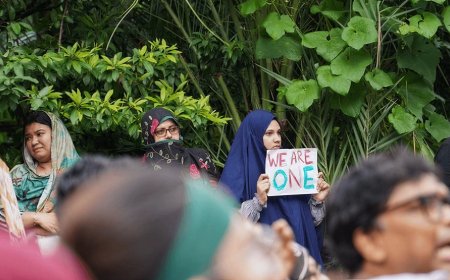
We shouldn't see development as just bringing in outside answers to local issues, but rather acknowledge the skills and knowledge existing in each community.
The ultimate goal of development is not just about the size of a country's production, but also about the way people live, the opportunities available to them, the knowledge that people bring to the table, and the extent to which people can influence their future.
Since the purpose of development is to enhance people's quality of life, it would be appropriate for development professionals to listen to people's knowledge, culture, and experience as a primary means of enhancing their professional practice.
Dr. Md Habibur Rahman is a Development Specialist, Folklorist and Professor of Folklore and Social Development Studies at the University of Rajshahi, Bangladesh. He may be contacted at [email protected]
Md Shihab Uddin is an independent researcher and a student of Folklore and Social Development Studies at the University of Rajshahi.He may be contacted at [email protected]