




















































What Good is COP?
COP will earn trust only when promises from air-conditioned rooms reach people on the ground. Otherwise, it stays a costly photo-op for leaders. Flashy declarations cannot stop the Teesta from eating away at the chars or irrigate parched crops.

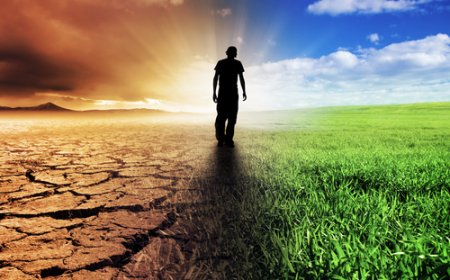
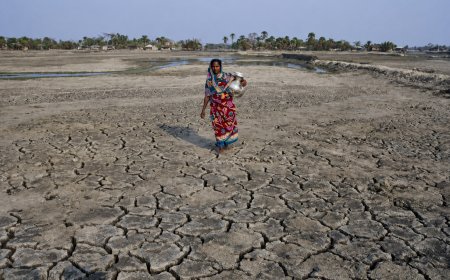
For people on the Teesta River's char islands, climate change is no PowerPoint presentation in an air-conditioned hall. When upstream monsoon surges send a ravenous river swallowing their homes, and Chaitra's drought cracks the grey sandbars, it is simply a daily fight to survive.
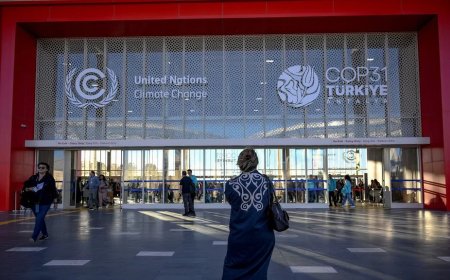
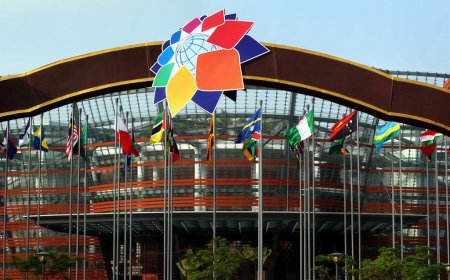
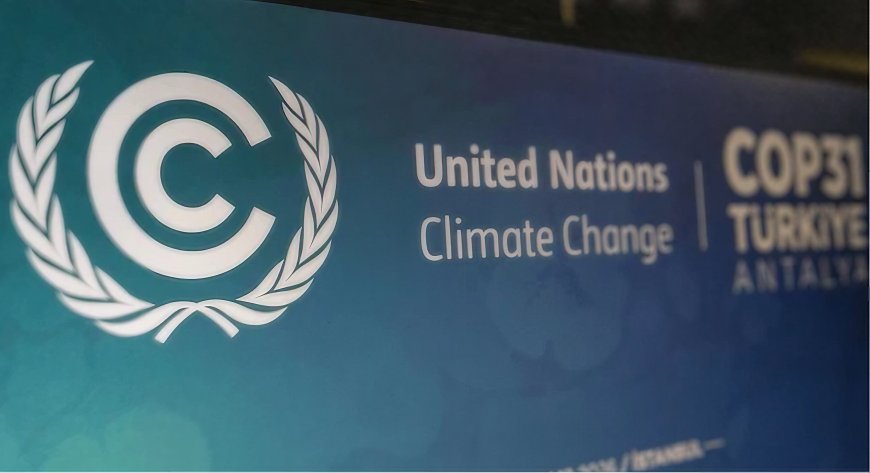
Yet their fate is written 1000 kilometers away in some gleaming city. Now COP31 has opened in Antalya, Turkey, from November 9 to 20, reviving an old question for the char dwellers: Is this global gathering a refuge for the vulnerable, or merely an expensive stage?
COP's value cannot be dismissed outright. It produced the 2015 Paris Agreement, where nearly every nation pledged to hold warming below 2 degrees Celsius, and ideally to 1.5 degrees. Small island states and downstream nations like Bangladesh rarely get another chance to look major powers in the eye.
Still, having a stage is not winning rights. The Global Carbon Budget 2026, published on November 10, projects fossil fuel emissions could dip 0.4% this year to 38.2 billion tons.
That offers little comfort. Solar and wind growth helped, as did an energy shock from the Iran conflict. Oil emissions fell 1.9%, likely a short-term wartime effect, while coal rose 0.6%.
Counting land-use change, total emissions hit 43.3 billion tons, above last year's 42.8 billion. Lead researcher Professor Pierre Friedlingstein warns that drops tied to geopolitical shocks are no lasting climate fix.
The flaw is structural. Under the Paris Agreement, countries set their own targets without penalties for failure, and consensus rules let any major power stall the talks.
For a 50% chance of staying within 1.5 degrees, just 150 billion tons of carbon dioxide remain in our budget, enough for under four years at current rates. Communities on the Teesta chars and in the Sundarbans pay for this diplomatic failure as their time runs out each year.
The sharpest hypocrisy surrounds fossil fuels. COP28 in 2023 called for transitioning away from them, yet when nearly 80 countries sought a roadmap at Belém's COP30 last year, it was dropped from the final text.
In April, Colombia and the Netherlands gathered 57 nations in Santa Marta outside the UN process to fill that gap. On November 3, Brazil handed a global roadmap to the UN Secretary-General in Antalya, but it is voluntary and binds nobody.
The Japan Times reports little chance of a new fossil fuel deal there. Any forum taking thirty years to name the root of the crisis invites doubt.
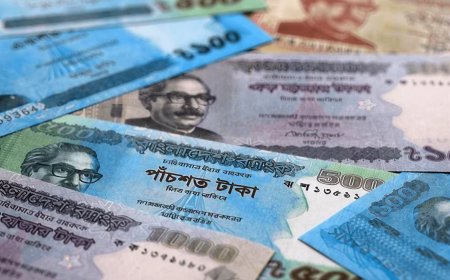
Nowhere is the trust deficit deeper than in finance. In 2009, rich countries pledged $100 billion annually from 2020. An OECD report in May 2026 shows they hit that mark two years late, in 2022.
Total finance provided and mobilized in 2024 reached $136.7 billion, including private funds. Closer inspection tells another story. Of the $101.6 billion in public finance, 67%, or $68.5 billion, came as loans, and only 29% as grants.
Roughly three-quarters of bilateral loans were concessional, compared with about a quarter from multilateral development banks. Low-income countries received just 7%. Those whose historic emissions heated the planet are deepening debt in vulnerable nations like ours.
At Baku's COP29, countries agreed on $300 billion annually by 2035, far below the $600 billion in public money within $1.3 trillion by 2030 that the G77 and China sought.
The Loss and Damage Fund looks bleaker still. An NGO network estimates developing countries need $400 billion a year. Pledges through March 2026 total $822 million.
World Bank data from July 7 showed assets of $474 million, barely one-tenth of 1% of annual need, while applications already reach $2.8 billion. In October, $20 million was earmarked for Nepal, where August flood reconstruction will cost around $4.8 billion.
Climate Change News reports that some board members from rich nations warned against setting a precedent. That gap between pledges and reality lays bare how hollow climate diplomacy has become.
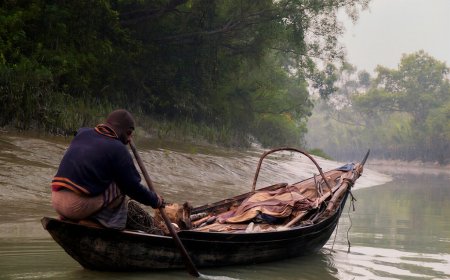
Bangladesh contributes under 1% of global emissions, yet faces acute risks from floods, erosion, salinity, and drought. Upstream water management and sediment also drive the Teesta's erosion, though climate change worsens the danger.
In Antalya, Prime Minister Tarique Rahman's delegation demanded grants over loans, tripled adaptation funding, and simpler access to the Loss and Damage Fund.
Our National Adaptation Plan needs roughly $230 billion from 2023 to 2050. Objectively, major emitters now include emerging economies, complicating the balance between historical blame and current capacity. Climate Change News notes limited week-one progress, leaving the hard fights for week two.
Still, judging the entire fight by COP's failures would be wrong. Between 2019 and 2025, 59 countries cut fossil fuel emissions while growing their economies. This year, solar, wind, and electric vehicles met two-thirds of new energy demand.
In July 2025, the International Court of Justice unanimously advised that states have a legal duty to prevent serious climate harm. Though non-binding, it strengthens compensation claims.
COP will earn trust only when promises from air-conditioned rooms reach people on the ground. Otherwise, it stays a costly photo-op for leaders. Flashy declarations cannot stop the Teesta from eating away at the chars or irrigate parched crops.
People need real delivery, and the struggle for our rightful share must rise strongly from our own soil.
AL Sharia is a Bangladeshi columnist, environmental activist, and student of Disaster Science and Management at Begum Rokeya University, Rangpur.