




































































The Rise and Fall of Anti-Establishment Populism
Whether a party is “Center-Left” or “Right-Wing” matters less to the modern voter than whether that party appears capable of breaking the system to improve the average person’s life.

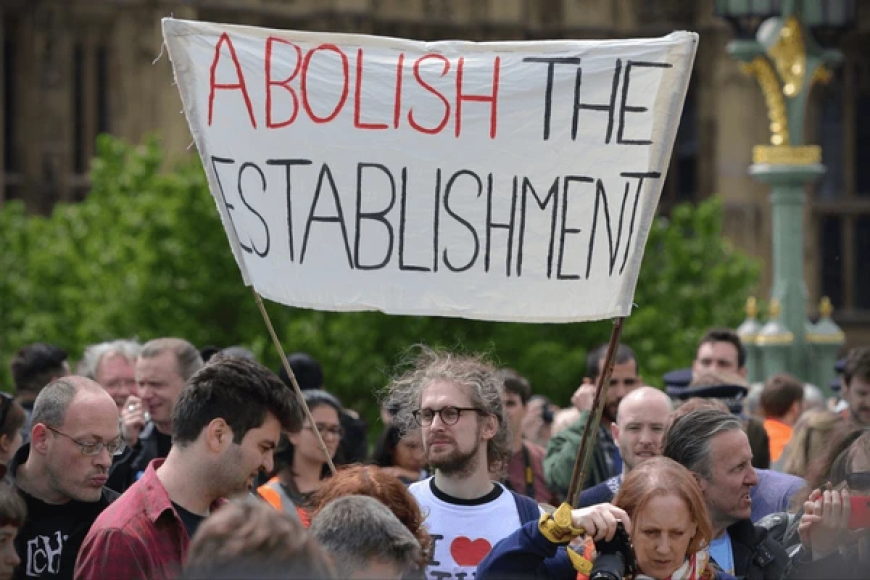
Across the globe, a significant political realignment is occurring. Voters are increasingly rejecting “establishment” parties -- those that have dominated the political landscape for decades -- in favour of new, outsider movements.
While these movements span the ideological spectrum from left to right, they are bound together by a shared focus on economic anxiety, declining living standards, and a direct, populist communication style.
Case Studies in Political Disruption
● Hungary (2026): In a historic upset, Péter Magyar and his Tisza Party ended Viktor Orbán’s 16-year “illiberal” rule. Magyar, a former insider who turned against the system, used his knowledge of the establishment to dismantle it. His campaign moved away from Orbán’s grand ideological battles, focusing instead on corruption and the struggling Hungarian economy.
● Sri Lanka (2024): Following a devastating economic collapse, voters turned to Anura Kumara Dissanayake and the NPP. His victory represented a complete rejection of the political dynasties that had ruled for generations. His platform was built on economic recovery, social welfare, and a promise to purge the government of systemic graft.
● Nepal (2025/26): The Rastriya Swatantra Party (RSP), led by figures like rapper-turned-politician Balen Shah, staged a “Gen Z revolt.” They bypassed traditional leadership by running on a platform of technocratic efficiency and anti-corruption, tapping into a youth population tired of political instability.
● New York City (2025): In a major upset, Zohran Mamdani won the mayoral race by running a bread-and-butter populist campaign. By focusing on radical affordability -- such as universal childcare and freezing rents -- he mobilized a coalition of young and working-class voters.
● The Netherlands (2023): Geert Wilders and the PVV shocked Europe by becoming the largest party. While his core message was right-wing, much of his support came from voters feeling the squeeze of the cost-of-living crisis, viewing the centrist establishment as indifferent to their struggles.
The Mechanics of Power: The Three A’s of Populism
To understand how these establishments maintain control -- and why they eventually face backlash -- researcher Liam Byrne identifies three fundamental traits of how populist leaders operate:
1. Appeasement: This refers to the tactic where the opposition or the public gives in or gives up because the populist leader has consolidated too much control, creating a sense of inevitability.
2. Autocracy: The systemic building of institutions and structures specifically designed to surround the leader and reinforce their power, weakening democratic checks.
3. Avarice: The focus on self-enrichment and the manipulation of state resources for personal or crony benefit. Exposing this corruption is a vital component for any political movement looking to successfully challenge populist leaders.
The Blueprint for Change: Strategies for Defeating Populism
As established systems seek to respond to these shifts, the campaign of Péter Magyar and the research of Liam Byrne offer a roadmap for challenging populist dominance:
● Relentless Grassroots Campaigning: To bypass restricted mainstream media access, successful challengers must engage in high-energy, physical presence (Magyar visited 95% of Hungarys parishes), building a connection that digital ads cannot match.
● Avoiding Divisive “Culture Wars”: Successful challengers refuse to be baited into debates over identity politics. By staying firm in the political center and focusing on universal needs, they prevent the incumbent from using divide and conquer tactics.
● Empathetic Messaging: One cannot win voters over by telling them they are “wrong”. It is necessary to acknowledge their frustrations while offering a new framing with concrete, better policies.
● Charisma and Communication: Defeating populists requires active, charismatic communication. A “gray, steady-as-you-go boring technocracy” often fails to inspire voters who are desperate for a visible alternative.
Reshaping the Indian Landscape
The anti-establishment sentiment sweeping across the globe has not spared India. In the 2024 elections, the BJPs slogan ”Ab Ki Baar, 400 Paar” (This time, beyond 400) was the ultimate declaration of hegemony. However, the results demonstrated that people are no longer satisfied with grand “ideologies” or theories of “inevitability”. This new turn in Indian politics is reflected through the following four significant changes:
1. The Collapse of “Inevitability” and the Balance of Mandate: Just as the “inevitability” of Orbáns long rule shattered in Hungary, the BJP in India lost its single-party majority after ten years (dropping to 240 seats). Specifically, the BJPs seat count in Uttar Pradesh falling from 62 to 33 proves that no party is “invincible”. The defeat of heavyweight leaders like Smriti Irani sends a clear message: Extreme charisma or high-profile imaging is ultimately insignificant in the face of public resentment.
2. Bread-and-Butter Politics vs. Identity Politics: While the Modi government campaigned on grand historical milestones like the Ram Temple or the abrogation of Article 370, voters were searching for solutions to unemployment and rising commodity prices. The BJPs defeat in the Ayodhya (Faizabad) seat itself marks a major political turning point. It has made it clear that people do not want to fill their stomachs with religious emotion alone. The “news of the pocket” is now far more powerful than grand “ideological” rhetoric.
3. Protection of Rights and the Constitution: As noted in Liam Byrne’s theory of “Autocracy”, people become fearful when rulers attempt to consolidate absolute power. The opposition’s “Save the Constitution” campaign -- and the fear that the BJP might change the Constitution if they secured 400 seats -- resonated deeply among Dalit and backward-class voters. This fear of losing fundamental rights was the primary reason behind the major setbacks the BJP faced in states like Maharashtra and Rajasthan.
4. A New Frontier of Accountability: Indian voters are now demanding a direct account of services. Local welfare projects, such as West Bengal’s “Lakshmir Bhandar”, effectively stalled the BJPs powerful nationalist campaign. This proves that voters are no longer interested in abstract promises; they are increasingly focused on concrete steps that directly improve their standard of living.
Lessons for Bangladesh
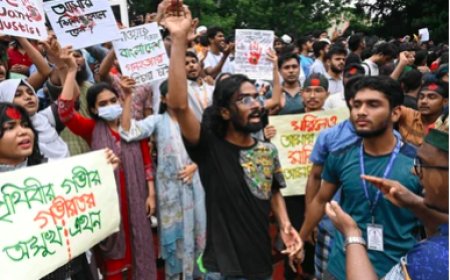
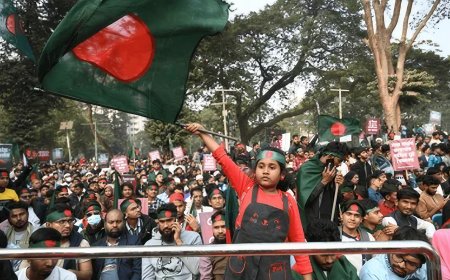
Bangladesh is entering its next electoral cycle under the long shadow of the 2024 student-led mass uprising, which essentially shattered the cycle of appeasement and challenged a long-standing autocracy. In the subsequent elections, there is a strong possibility of a significant “Third Force” or ”Third Space” emerging in the country, similar to the RSP in Nepal.
The youth population, disillusioned by the binary choice between the two or three major traditional parties, will likely demand leaders who represent “transparent politics” and “administrative competence” over dynastic loyalty. In the face of intense inflationary pressure on the Taka and a cost-of-living crisis, the winning campaign will be the one that can credibly tackle systemic banking corruption and money laundering while offering a charismatic and grassroots vision for economic stability.
The “Magyar Effect” may manifest here as a demand for a leader who is technically proficient yet possesses the populist fire necessary to challenge the old establishment.
The common thread across Nepal, Sri Lanka, Hungary, and now India is that economic survival has become the ultimate ideology. Whether a party is “Center-Left” or “Right-Wing”matters less to the modern voter than whether that party appears capable of breaking the system to improve the average person’s life. By exposing Avarice, refusing Appeasement, and out-working the Autocracy through grassroots empathy, new leaders are proving that even the most entrenched systems are vulnerable to a campaign built on the standard of living.
Syed Hasibuddin Hussain is the Secretary General of Rashtro Shongshkar Andolon.