







































































The War Against Iran May Have No Exit
Will Iran become another forever war for the USA?

History is embarrassing at mocking the overconfident. In August, 1914, European soldiers were promised to be home by Christmas, they were not.
USA sent troops to Vietnam to combat Communism swiftly & the Soviet Union invaded Afghanistan in 1979 to “stabilize the nation quickly”, those conflicts ran over a decade.
In recent times, Vladimir Putin invaded Ukraine expecting a 3-4 day war just like Hitler expected Russia to be overrun by German soldiers in a few months and we know how both of them panned out.
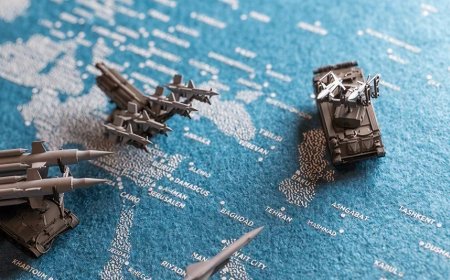
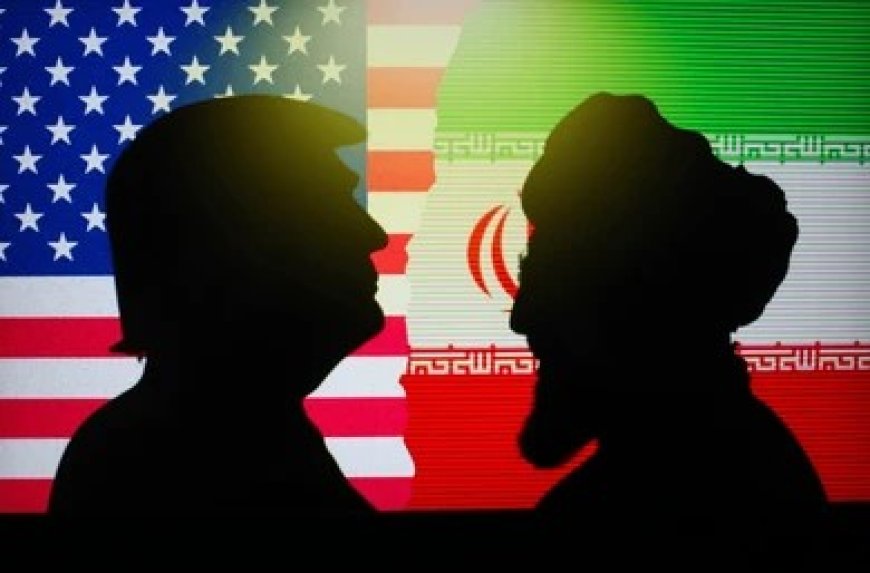
As the United States & Israel prosecute their campaign against Iran dubbed Operation Epic Fury & Operation Roaring Lion, an old question resurfaces in this age of modern warfare: Is it the end of the beginning or the beginning of the end?
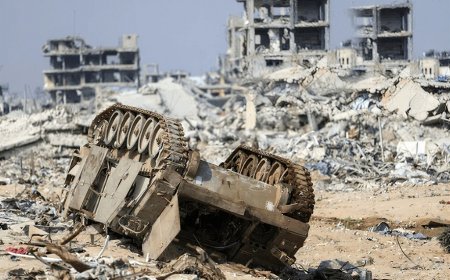
Operationally, it has been one sided for the US-Israel coalition, they have reportedly destroyed a third of Iran’s missile inventory, at least 29 launch sites have been struck and inflicted damage to the factories producing these missiles, damaging Iran’s nuclear infrastructure and the elimination of senior Iranian political figures and military leaders.
But military victories and political victories are not the same and confusing one for another is exactly how forever wars begin. Iran’s military arsenal was intentionally decentralized and most of their critical resources hidden deep underground.
This is partly why since the 10th day of the conflict, despite massive precision bombing campaigns by the US & Israel, Iran has maintained a steady launch rate of missiles and drones.
It only takes one hit by a missile or drone to shatter the sense of security. In short, if Iran retains their strike capabilities, the strategic balance will not tilt towards either side decisively.
Has Iran been hurt militarily and economically?
Yes.
But have they been broken?
Far from it.
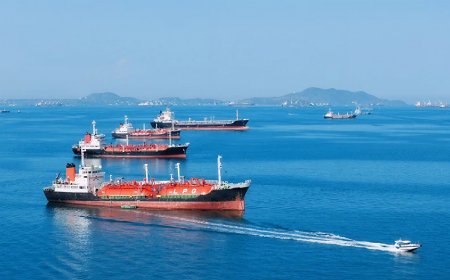
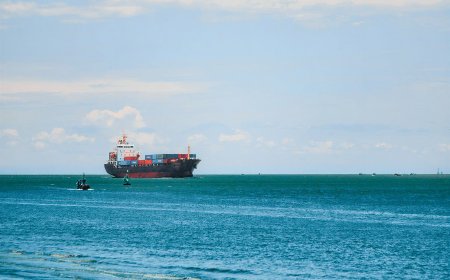
This creates a dilemma. Escalating the conflict by destroying Iran’s South Pars gas field, attacking oil infrastructure on Kharg Island or deploying troops to blockade the Strait of Hormuz risks global energy crisis to unprecedented levels.
On the flipside, Iran can retaliate against Qatar’s North Field, Saudi East West pipelines, UAE’s Fujairah post and many more. But the more critical targets would probably be the Gulf desalination plants which could create entire cities to become inhabitable overnight.
The mutual deterrence is why both sides are holding back, avoiding crossing any “red lines”. However, deterrence is not the same as peace.
Longer it remains closed, the more fuel costs rise which in turn raises the cost of every essentials due to heavy fuel dependency of supply chains globally.
President Trump facing a midterm election, a debt heavy economy, untamed inflation and restless public sentiments cannot afford to let this conflict go on indefinitely, but walking out without reopening the Strait of Hormuz would be humiliating as the US would essentially “hand over” the strait to Iran.
The US administration touted of leaving Iran within 2-3 weeks, but in recent times, Marco Rubio, the Secretary of State has omitted the initial objectives of regime change and total nuclear eradication from their objectives, potentially indicating a desire to abandon the Iran campaign.
This stance may be politically understandable in the short run probably even strategically wise, but undesirable in the long run as it achieves none of the objectives if the Iranian regime survives.
They will most likely emerge more radicalized and focused on restoring its military capacity and definitely leave this conflict with a better idea of how to conceal its military infrastructure from future American & Israeli aggression and surveillance.
Worse still for the US and Israel, their exit may bolster Russia and China’s future assistance to Iran as they would no longer be constrained by diplomatic ambiguity.
Israel is unlikely to stand down either, Prime Minister Netanyahu has made it clear the war’s goal is to eliminate Iran’s nuclear threat, elimination of Iran’s ballistic missile capacity and potential regime change. None of these conditions have been met.
Facing an upcoming national election and ongoing criminal charges have both been conveniently sidelined from discussions due to the ongoing war. The incentives for Jerusalem exiting this conflict are far fewer compared to Washington’s incentives.
American withdrawal from this conflict cannot ensure a formal ceasefire between Jerusalem and Tehran, low intensity exchanges of fire and proxy conflicts always retain the potential to re-ignite to a full-scale conflict.
There was an attempt by Pakistan to broker a ceasefire, but both the Iranian delegation and US Vice President JD Vance left Islamabad empty handed in less than 24 hours while Israel struck Lebanon and closed the Strait of Hormuz. Trump’s response was expected: A full blockade of the strait.
What sets apart a forever war from a decisive war is not really the duration, but the absence of any possibility that all belligerents can come to a middle ground and accept peace terms. This looked unlikely till now.
The US can’t accept a closure of the Strait of Hormuz while Iran cannot accept US terms of surrender. The resulting sunk economic, political and human costs here are enormous which makes both sides even more reluctant to absorb the cost of middle ground settlement.
Pandora’s boxes do not close easily once opened, the soldiers who boarded the trains to go to the trenches of World War 1 in 1914 learned this at a terrible cost, the question for both sides now is, will the statesmen of 2026 learn from history or repeat it?
Shafqat Aziz is a barrister (Lincoln’s Inn) and an accredited Civil-Commercial Mediator (ADR-ODR International).