






























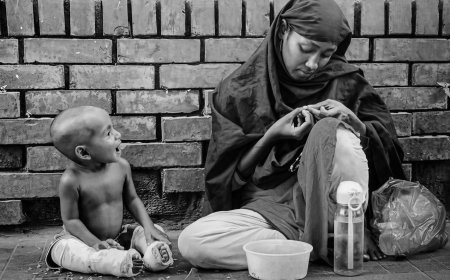



































The real question is whether Israel can remain the kind of Israel that the world has known for the past half-century without American power standing behind it. On that question, the evidence points in only one direction.
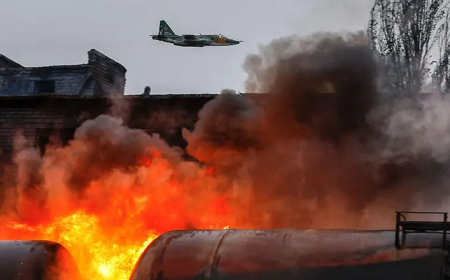
What Ukraine has executed is not merely a military operation. It is a masterclass in the psychological and strategic manipulation of an adversary whose leadership places symbolism above military reality.

The republic that declared itself in 1776 was, at bottom, an argument that human beings could be trusted, through reflection and iteration, to correct themselves. Two and a half centuries on, having stumbled badly and then caught itself, it has just offered fresh evidence for that argument. The experiment is older now, but it is still running.
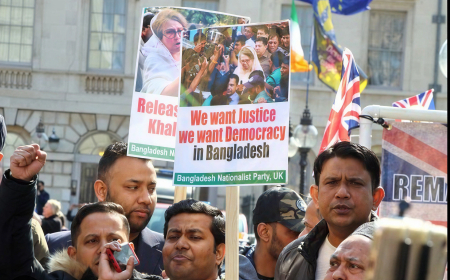
Democracy survives not because leaders are always virtuous, but because citizens possess the courage and awareness to resist injustice.
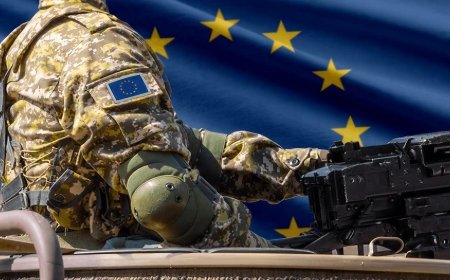
A more self-reliant Europe could also stimulate greater defence-industrial cooperation, increased arms exports, and new opportunities for technological and industrial partnerships with smaller states. It may ultimately contribute to a more multipolar international security environment in which European powers exercise greater strategic influence.

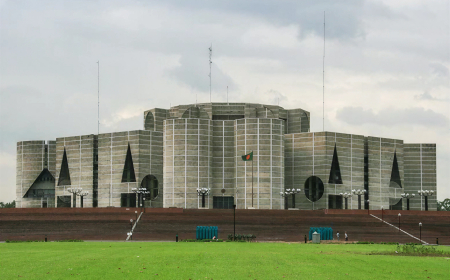
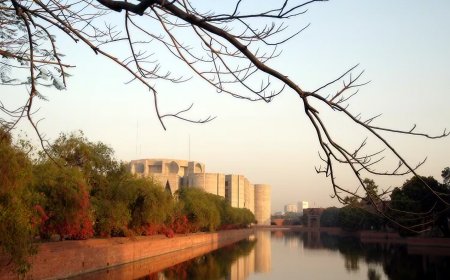
The significance of this visit lies in whether Dhaka brings the political alignment and focused preparation to match it. The advance preparation of specific project proposals, the investment conference architecture, and the push on FTA negotiations suggest it does.

The tragedy in Myanmar will not stop, the junta rules a hollow state, the rebels hold territory but don’t have a future vision moving forward.
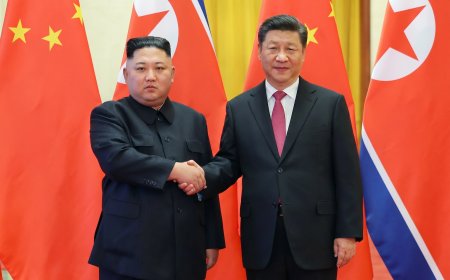
Kim is no longer the supplicant figure of earlier years. He bargains now. He postures. He makes patrons come to him.

If the former advisers genuinely believe that a small and influential circle bypassed established processes, then they should go beyond hints and partial disclosures. They should provide a complete account of how decisions were made, who made them, and why the broader advisory council accepted that arrangement.
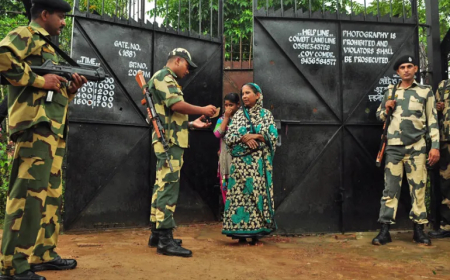
The clearest sign of gimmickry behind the so-called mission to control Bangladeshi immigrants is that the government has appointed a non-demographer to head an exercise on demographic change.

It has been exactly a month since the BJP emerged the winner in the Bengal assembly elections. Some changes are more visible than others.

Sovereignty is not maintained by lines drawn on a map or by seats held at the United Nations. It is maintained by the absolute certainty that if you attack the forces of the state, the state will break you.
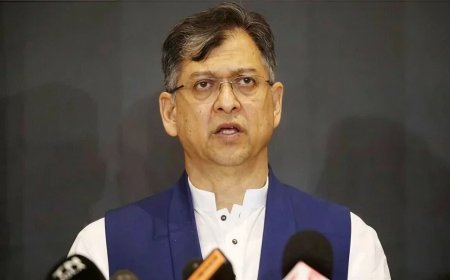
The protection of life and liberty is a core constitutional and operational mandate of the Home Minister in Bangladesh. He directs key security forces, including the Border Guards Bangladesh, to ensure the physical safety and security of citizens.
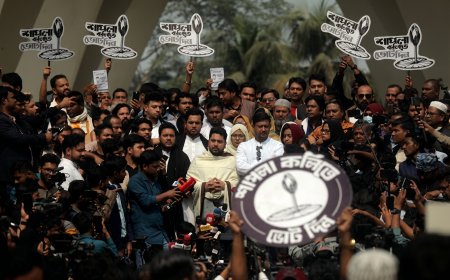
The NCP risks sliding into oblivion and losing its uniqueness by merging into the shadow of larger political interests. It must now undertake serious soul-searching about the long-term costs and benefits of its strategy.
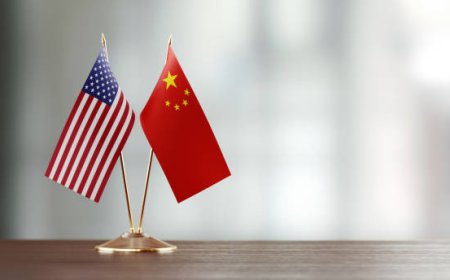
The Chinese leaders learned it well, as was evident in his call to Mr. Trump in the opening remarks of Chinese Premier Mr. Xi Jinping, who urged him to avoid falling into the Thucydides trap and embrace peace for global prosperity. But at the close of the talk, the disturbing global concerns may be: is there a second Kissinger, or a President like Nixon, to achieve the same?