





























![A Ledger of the Soul: Navigating the Allah-Bhagavant Nexus in a 19th-Century Puruṣākāra Jñāna Caupara [Gyan Chauper]](https://counterpointbd.com/uploads/images/202608/image_430x256_6a93baa3b09a7.jpg)


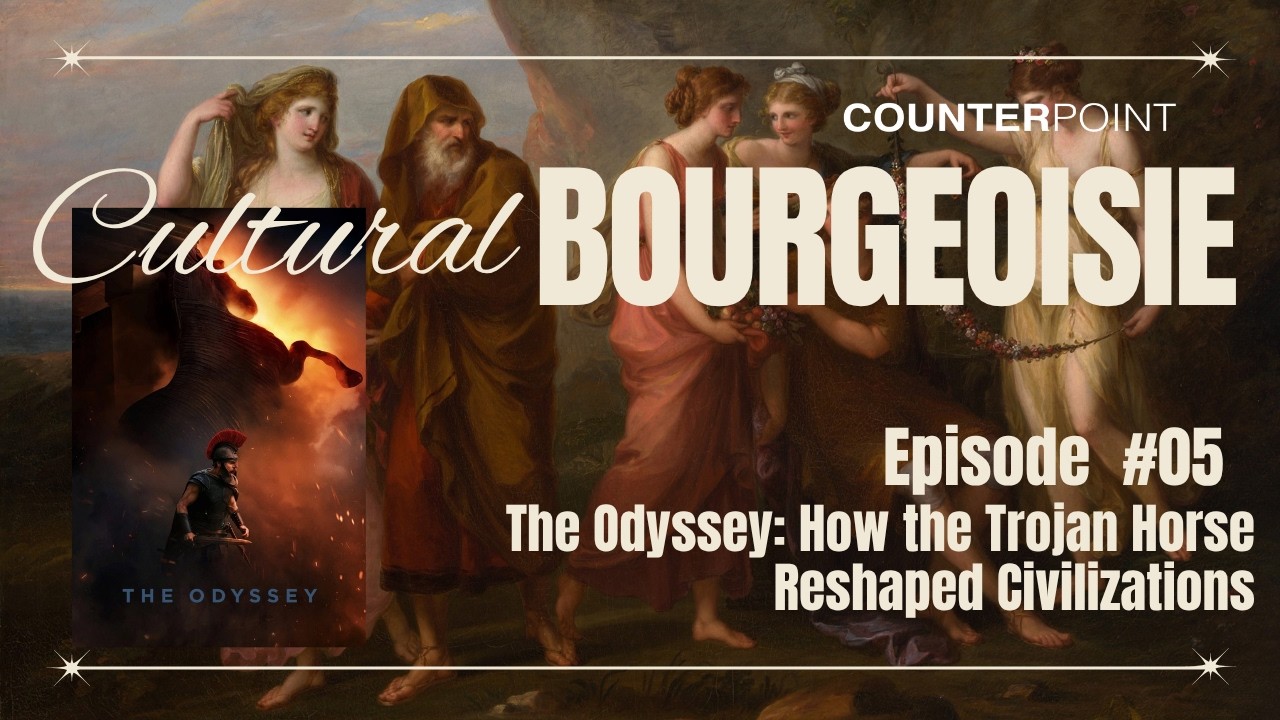

















Giving a woman a corner of the bus and giving her control of the direction of the entire bus are not the same politics. Today her passengers may be women. Tomorrow everyone may be on board.
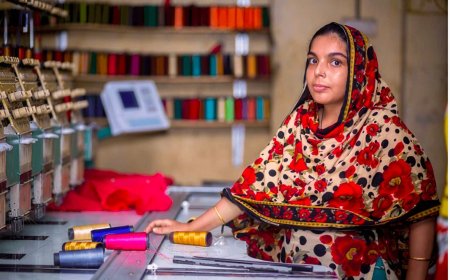
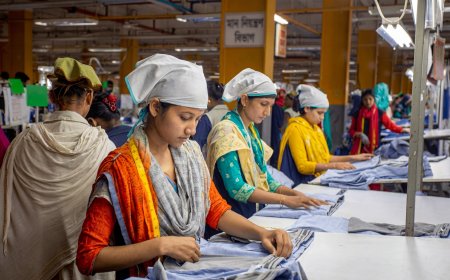
A financially free woman is not simply one who earns. She is one whose contribution is recognised, who has meaningful control over economic resources, and who has genuine freedom to decide how her time, work and money are used.
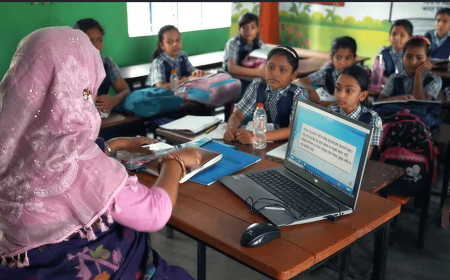
A female teacher's social media reel sparked national outrage -- but the controversy reveals far more about gendered surveillance, respectability politics and patriarchal control than it does about education.

The most obvious solution is the legal system must criminalize online shaming and punish the cyber-harassers instead of forcing women to disable their accounts.
Women are neither vessels of national honour nor laboratories of cultural experimentation. They are citizens. And the value of a citizen lies not in her clothing, but in her ideas, her voice, her political convictions, and her contributions.
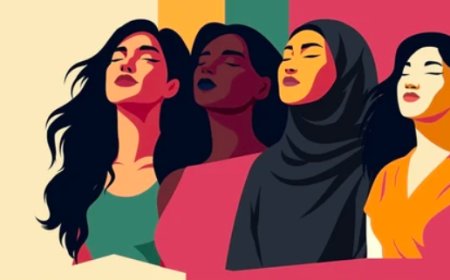
A political culture that cannot imagine women as independent political actors inevitably returns to patriarchy's oldest explanation: If a woman has succeeded, she must have traded her body for power. That explanation tells us very little about women. But it tells us almost everything about the society that produces it.

Woman keeps waiting for the world to realize that Lilith and Eve are not two women, polar opposites, black and white, dark and light. They are one. But Man either sees dark or light. We are all performers.

When I think of favour that was bestowed, I think of Fāṭima of Nishapur, I think of Rābiʿa al-Basrī, I think of every woman across Bengal and beyond who carried the tradition in her voice and her hands and was never written down.
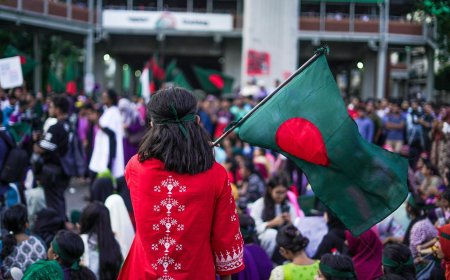
Who decided what the new Bangladesh would look like? And were the women who built it in the room when that decision was made?
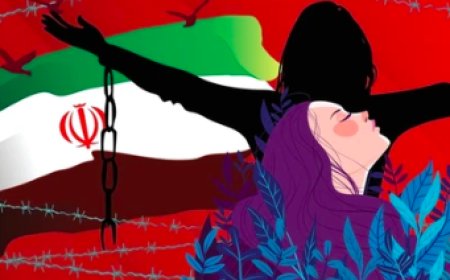
It begins, as so many things in modern Iran begin, with a woman and a song

Petitions are circulating now to remove these sites from search engines. Outrage is building, slowly. But it is not enough. But the real shift needs to start within us, in these awkward conversations. Stop correcting the numbers, stop making excuses and start confronting what actually happened.
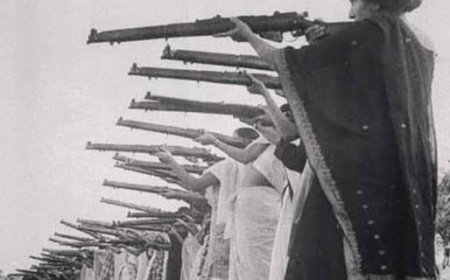
Women were not mere supporters; they were shapers of conditions, bearers of risk, and, in many cases, decisive actors. The war cannot be imagined without them, but its written history has often proceeded as though it could.
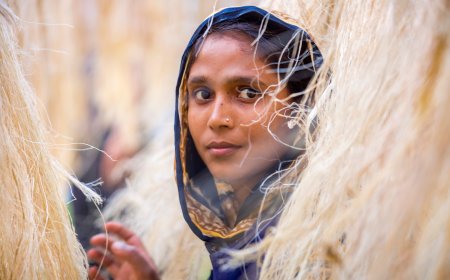
Respecting the rights, dignity, and freedom of women, and ensuring full equality for women in health, education, employment, and opportunity must be established as the common ground on which all political actors in Bangladesh agree.
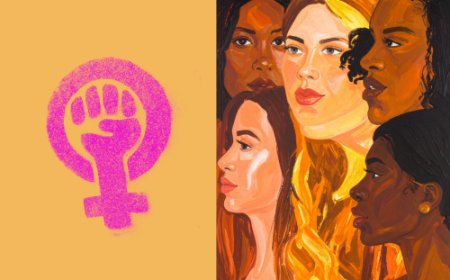
Feminism has become a new F-word. But let's at least debate the issues that women are really talking about and demanding rather than a patriarchal projection of what men think women want and demanding.
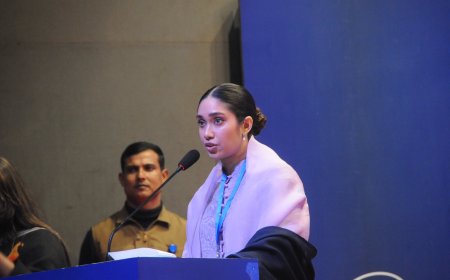
The masculinity crisis in Bangladesh is not a psychological issue alone. Young men possess smartphones but lack jobs, security, or agency. Powerless in real life, they become powerful on screens. Their remaining sense of control is exercised through digital domination of women’s bodies.
This is a silent but sure shift in how our outgoing women are viewing their freedom on the move, and prioritizing their choice of shoes accordingly. They seem to have realized that every step matters, and shoes are there for liberating, not constricting.