








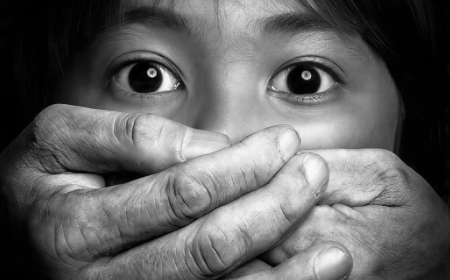























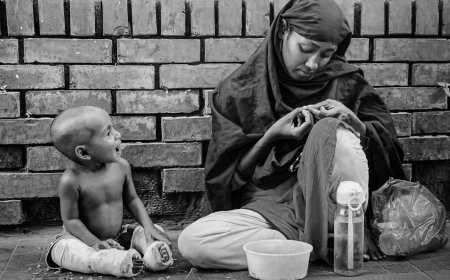






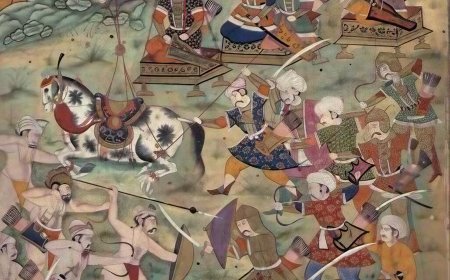



























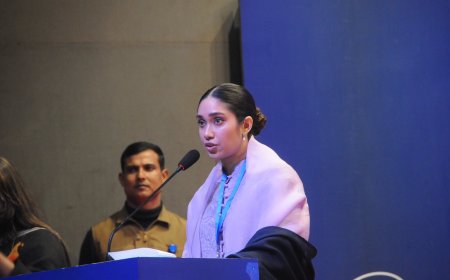
The masculinity crisis in Bangladesh is not a psychological issue alone. Young men possess smartphones but lack jobs, security, or agency. Powerless in real life, they become powerful on screens. Their remaining sense of control is exercised through digital domination of women’s bodies.
This is a silent but sure shift in how our outgoing women are viewing their freedom on the move, and prioritizing their choice of shoes accordingly. They seem to have realized that every step matters, and shoes are there for liberating, not constricting.
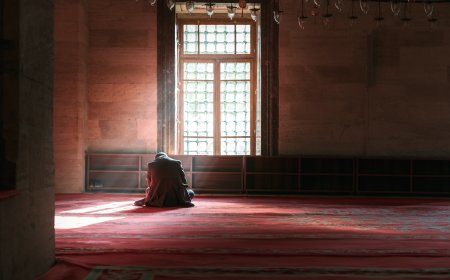
The problem here is not Islam. The problem is the elevation of one man’s subjective, historically contingent interpretation to the status of immutable religious truth. To present such views as 'Islamic policy' is intellectually dishonest and politically dangerous.
Rejecting religion-based politics does not mean denying religion; rather, it means taking a stand for equality, human rights, and justice. Without women's liberation, no society, no state, and no politics can be truly just.
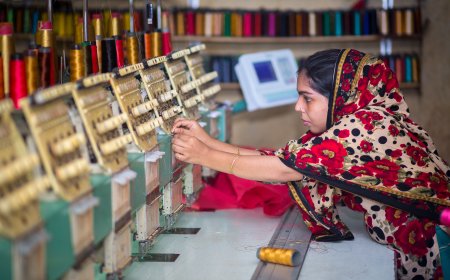
Bangladesh’s working mothers deserve a serious conversation about policies that ease their load and secure their economic future. They deserve thoughtful engagement, not reflexive dismissal. For once, let us debate the policy instead of demonizing the policymaker.