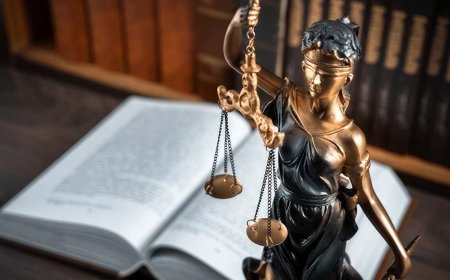



















































Everyone knows that to understand the legal nitty gritty is not everybody’s cup of tea. But everybody at least is entitled to one's common sense.
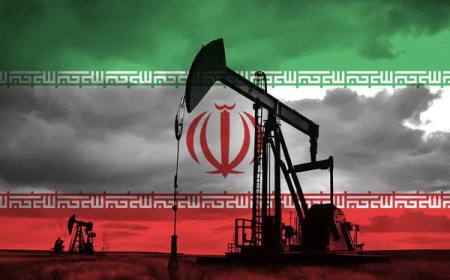
If Iran is honorably invited back into the financial system its 90 million refined and energetic people, backed by huge oil wealth, will be able to make the greatest possible contribution to strengthening not only the whole world economy but specifically to saving the US currency.
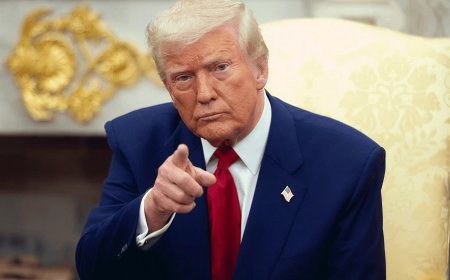
Against this background Trump is a disaster for America and its Iran war has pushed it to a point where presumably every ordinary man across the world has started mocking the American power by mistaking Trump to be the personification of the United States.
International law appears to bind only the weak nations but not the powerful, mighty ones. Afghanistan, Gaza, Guantanamo Bay, and targeted actions against foreign leaders all show how rules can be bypassed without consequence.
For the first time in decades, the United States risks strategic isolation within its own alliance network. If the United States is perceived as an unreliable negotiating partner, future mediation efforts -- both in the Middle East and beyond -- may suffer.
The question now is not only how America will wield its power, but how the rest of the world will respond to a superpower increasingly guided by transactional interests rather than shared norms.
The constitutional stakes are plain. The Bill of Rights protects speech, press, and the right “peaceably to assemble,” and it does not contain an immigration exception. International law says the same with sharper vocabulary.

The question for a republic is whether it can learn to look away from the dazzling, authoritarian image long enough to see -- and rebuild -- the dull, demanding, and essential foundations of a reality-based politics.
The right to live in peace is not a gift from empires. It is a demand, shouted into the barrels of their guns. It is a world, built stone by stone, in the ruins they leave behind.