
























































Time for Bangladesh to Thrive, Not Just Survive
The first anniversary of a revolution can be about celebrating what was achieved. The second year should be about measuring what has changed.

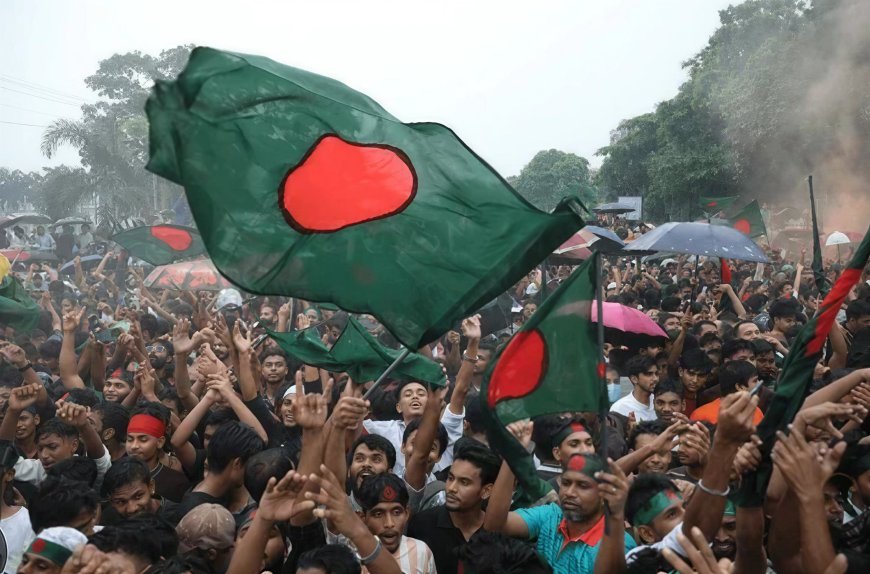
Two years ago, Bangladesh experienced a rare moment of unity on August 5. Many remember Sheikh Hasina’s resignation as the end of a 15 year authoritarian rule.
If that remains our most defining memory and the greatest achievement in the last two years, we risk forgetting why so many people demanded change in the first place.
As the interim government stepped in, survival was the new norm, even for a little while, though that was never meant to become the goal.
In the long run, we wanted stronger institutions. We wanted democracy to function better.
According to the World Bank’s World Development Indicators, Bangladesh’s unemployment rate was estimated at 3.78% in 2025, up from 3.64% in 2024.
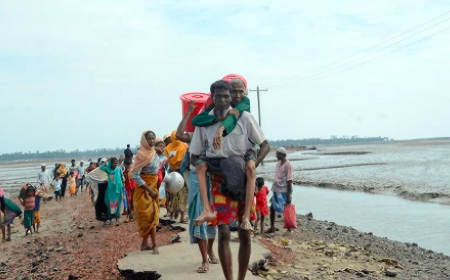
In the meantime, we have also continued to have energy concerns, fuel price hikes, diplomatic tensions, and most recently, floods.
Unfortunately, much of our recent past has been spent evading one crisis after another, ensuring daily survival.
That is time Bangladeshis could have spent demanding long term institutional changes rather than merely adapting to the next crisis.
We can budget through inflation. We have lived through unemployment. We know which roads flood and we know how to adapt.
What we do not know yet is if our institutions have learned with us or whether they have taken our resilience as a free pass.
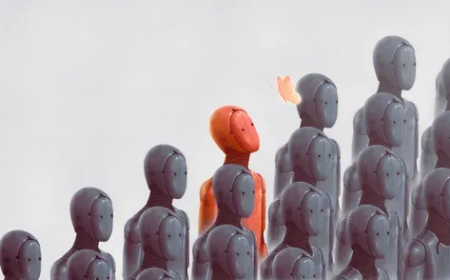
Exhaustion does not inspire change. Exhaustion asks to settle.
We need to move past settling, and ensure that our resilience is not taken for granted. Now the question is: Can we become a country that thrives, not just survives?
We are all just adapting while having eerily similar conversations about structural changes, policy reforms and political stability that we were having two years ago. Our issues have not disappeared, our coping mechanisms have improved.
Resilience is important; it’s what makes us stronger. We have proved time and again that we can survive, but institutions cannot use our resilience as an excuse for complacency.
According to the IMF’s 2025 report, after a recent economic slowdown, Bangladesh’s economy is expected to grow by 4.7% in FY2027. While economic recovery matters, the question is whether our political and institutional expectations are recovering as well, and whether we can expect growth beyond just getting by.
Bangladesh has spent much of its existence proving its mettle against low expectations from the rest of the world. However, meaningful progress must first begin at home.
We need to be able to believe in our power to move beyond the crisis and address our structural issues over a long period of time, before we can convince the rest of the world that Bangladesh is here to stay.
Political change begets opportunity. Institutions determine whether that opportunity becomes lasting progress, and so our ability to hope rests on their shoulders. Our sole victory cannot remain the toppling of a single government.
The first anniversary of a revolution can be about celebrating what was achieved. The second year should be about measuring what has changed.
After all, it was never just about one government, it was about the freedom to grow as a country. Bangladeshis deserve more than resilience, we deserve progress.